Decision making
When Is It Too Windy to Sail? A Practical Guide
Published · Last checked October 2026
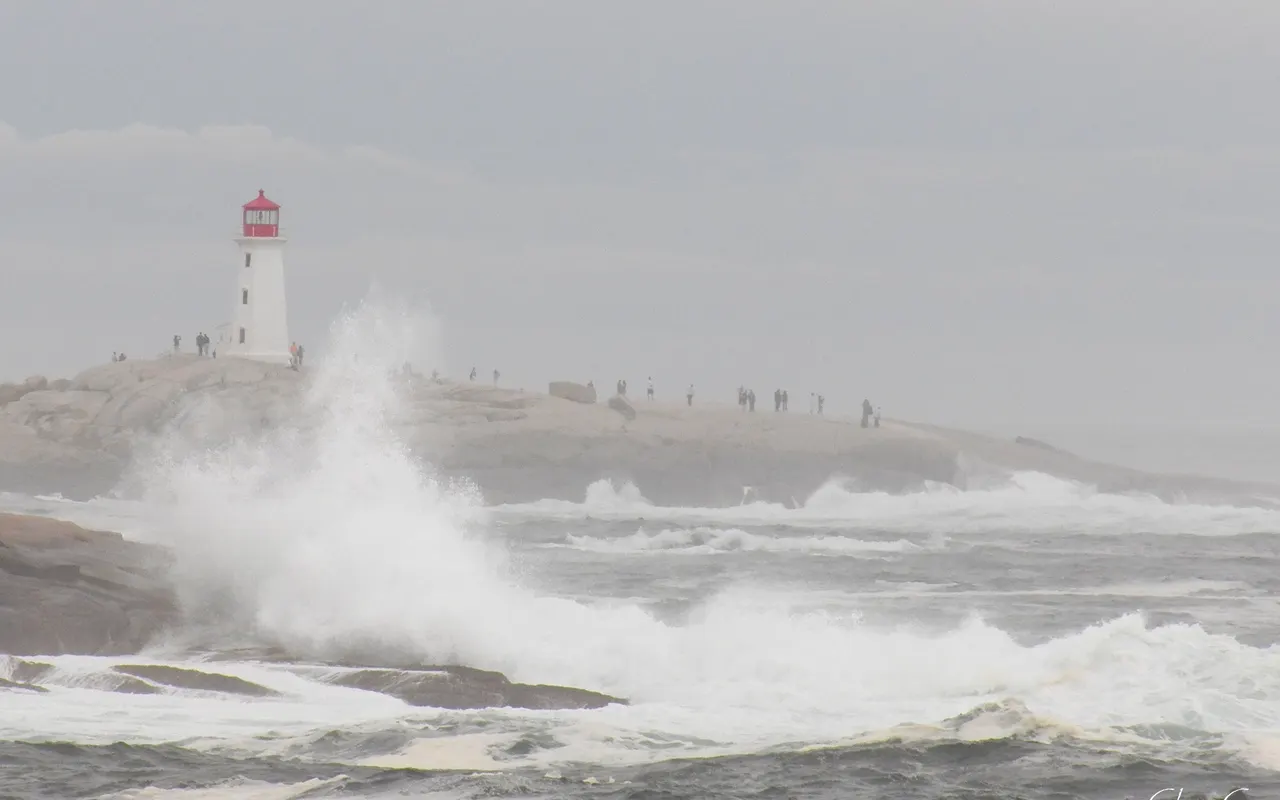
There is no single number, but useful rules of thumb for a 10 m cruising yacht are: force 4 (11 to 16 knots) is comfortable for new crews, force 5 (17 to 21 knots) needs a reef and some experience, force 6 (22 to 27 knots) is for experienced, well-prepared crews, and a gale warning (force 8) means stay in harbour. Gusts, wind against tide, sea state and how tired the crew is matter as much as the average wind.
Rules of thumb
| Crew | Comfortable | Upper limit |
|---|---|---|
| New crew, first season | Force 3–4 | Force 5 |
| Competent crew, Day Skipper | Force 4–5 | Force 6 |
| Experienced skipper and crew | Force 5–6 | Force 7 |
| Any leisure crew | Gale warning: stay in port |
What lowers the limit
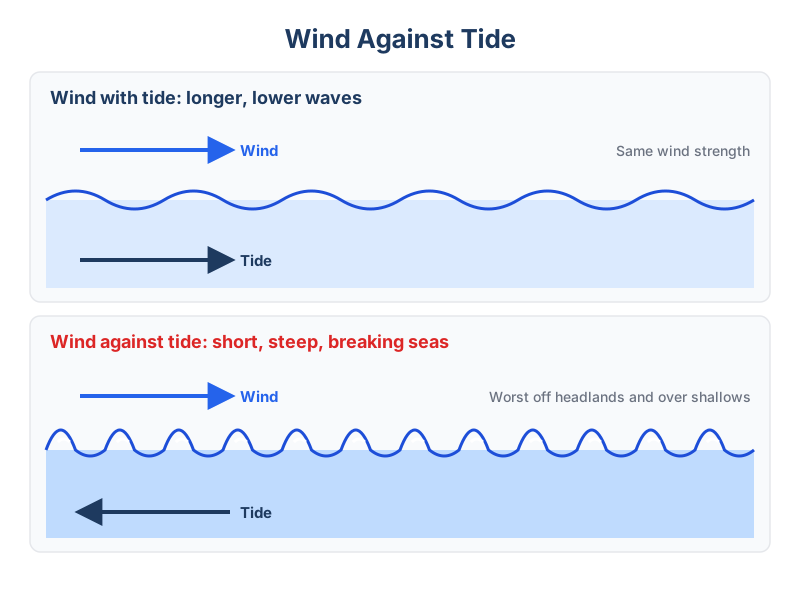
- Gusts well above the mean, especially in showers and off high ground.
- Wind against tide, which makes short, steep seas off headlands.
- Beating to windward: the apparent wind is much stronger than the true wind and the motion is far worse.
- Onshore wind on an exposed coast with no safe harbour to run to.
- A small boat, a tired or seasick crew, or a long passage ending after dark.
- A deteriorating forecast: what matters is the wind at the end of your passage, not the start.
What raises it
Sailing downwind in sheltered water, with the tide, a short hop between good harbours, a well-reefed boat and an experienced crew.
Run your plan through the go / no-go checklist before you leave.
Related guides
Frequently asked questions
Is 20 knots too windy to sail?
Twenty knots is force 5. Many cruising yachts sail well with one reef, but it is hard work upwind and can be too much for new crews or small boats.
Can you sail in a gale?
Yachts can survive gales at sea, but leisure sailors should not set out into one. If a gale warning is in force for your area, stay in harbour.