Guides
Sailing guides
53 straight answers to the questions sailors ask most, from reading a tide table to making a Mayday call. Each guide links to the lessons and tools that go deeper. learntosail is unofficial and not affiliated with the RYA. Last checked October 2026.
Courses & qualifications
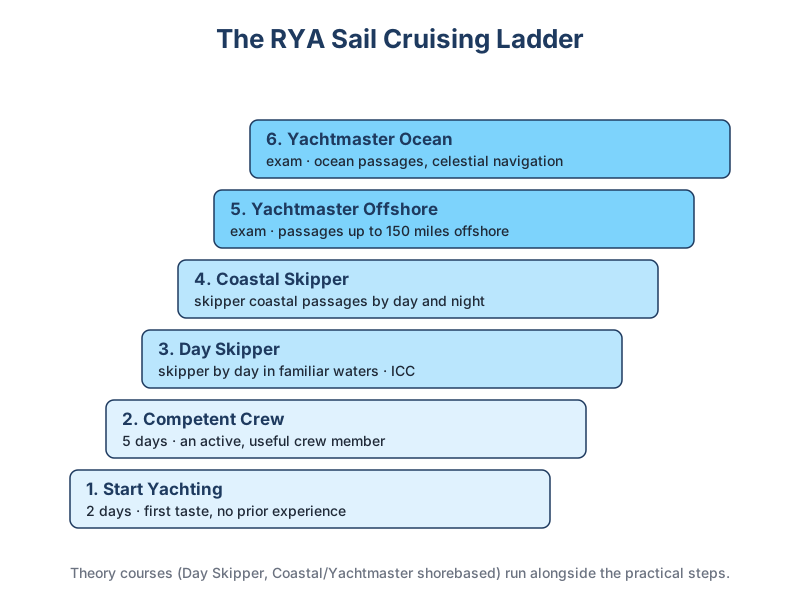
Day Skipper vs Competent Crew — Which Course?
Compare RYA Competent Crew and Day Skipper: who each is for, course length, prerequisites, sea time and what you can do afterwards, with RYA sources.
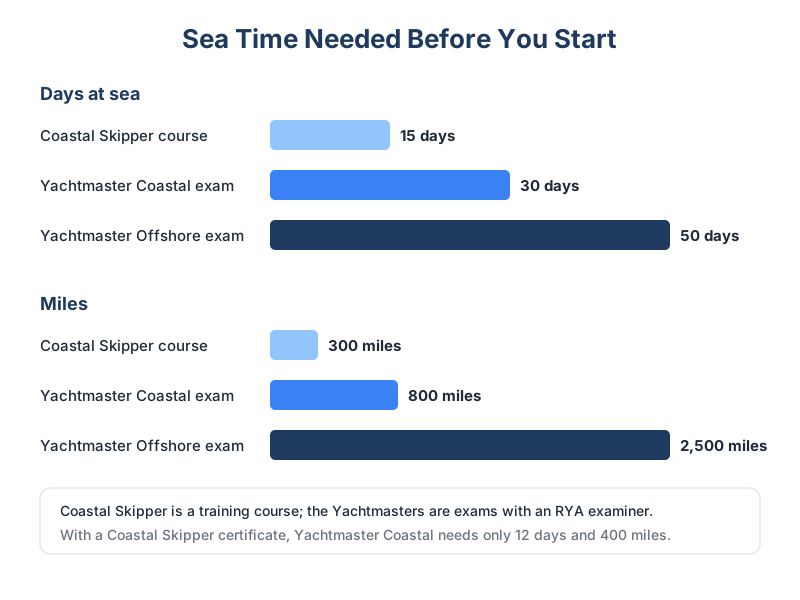
How Long Does Yachtmaster Take? Full Timeline
How long it takes to become an RYA Yachtmaster: sea time, miles and exam lengths for Coastal, Offshore and Ocean, fast-track timelines and endorsement.
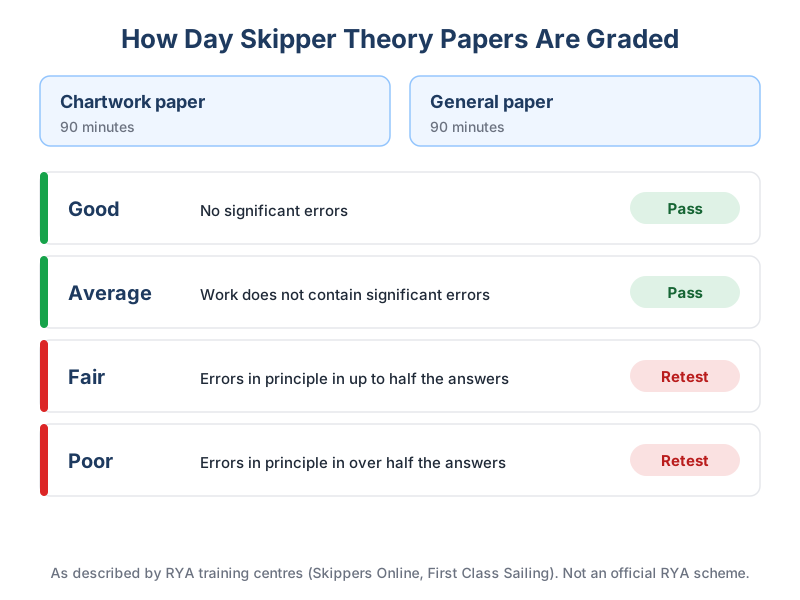
RYA Theory Exam Pass Mark — How It's Graded
Is there a pass mark for RYA Day Skipper and Yachtmaster theory exams? How papers are graded, what training centres publish and how resits work.
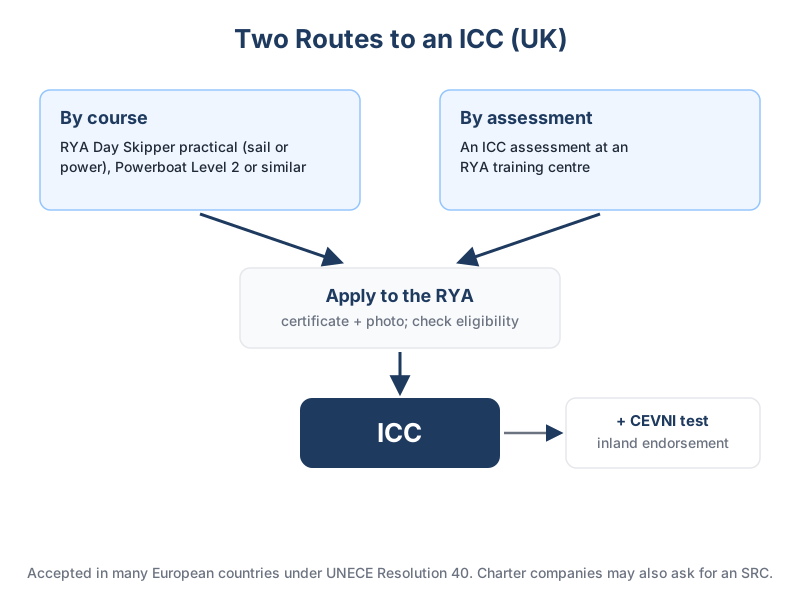
The ICC (International Certificate of Competence) Explained
What the ICC is, who needs one for chartering and cruising abroad, how UK sailors get it through the RYA (course or assessment), the CEVNI endorsement and renewal.
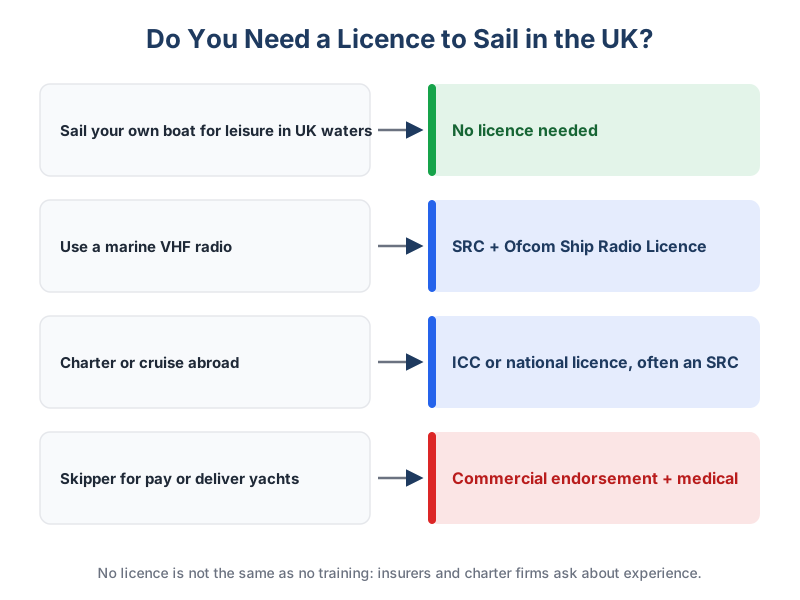
Do You Need a Licence to Sail a Yacht in the UK?
Whether you need a licence to sail a boat in the UK: no licence for private leisure sailing, but VHF licences, commercial endorsements and qualifications abroad.
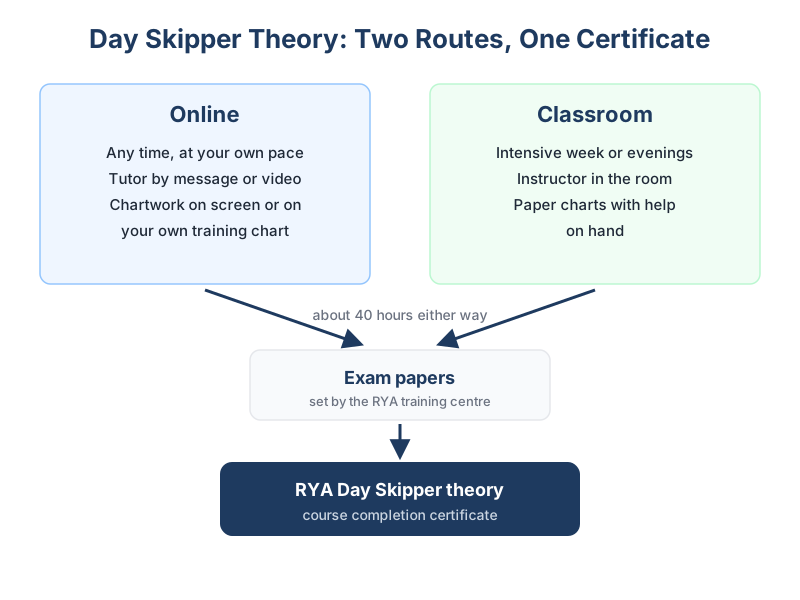
Day Skipper Theory: Online vs Classroom — Which Is Better?
Compare learning RYA Day Skipper theory online or in a classroom: time, flexibility, support, chartwork practice and exams, and how to prepare either way.
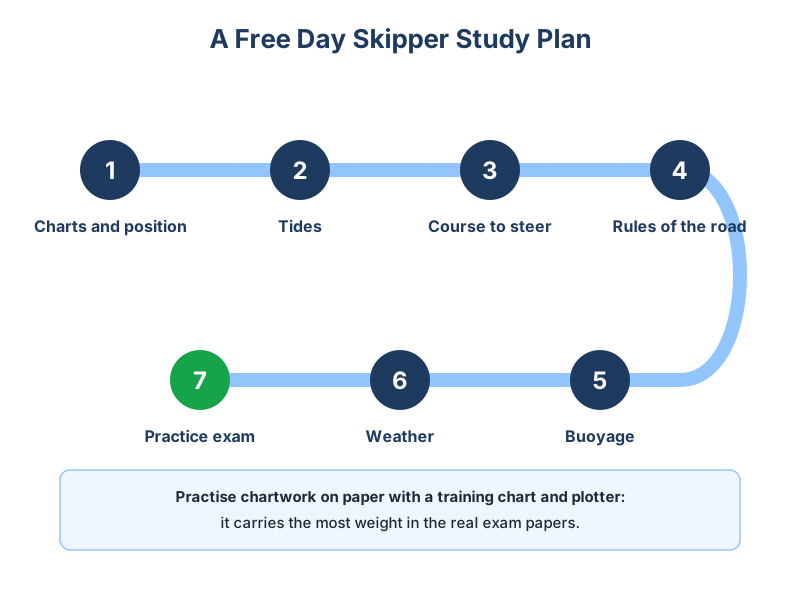
Day Skipper Theory Online for Free — What You Can Get for £0
Can you do RYA Day Skipper theory online for free? What free study covers, why the certificate still needs an RYA training centre, and a free study plan for the syllabus.
Coastal Skipper vs Yachtmaster Offshore — What's the Difference?
RYA Coastal Skipper vs Yachtmaster Offshore compared: course vs exam, sea time, miles, who assesses you, commercial endorsement, and which to aim for.
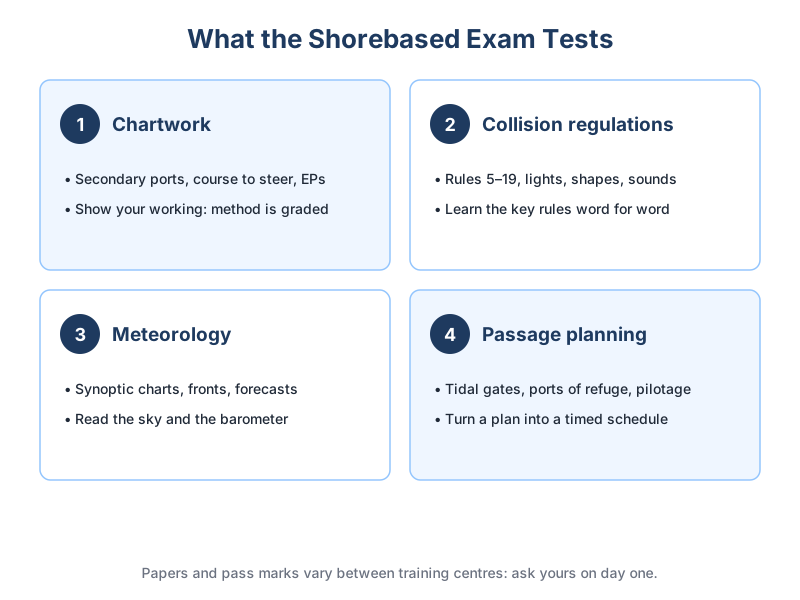
How to Pass the Yachtmaster Shorebased Exam — Papers and Tips
How to pass the RYA Coastal Skipper/Yachtmaster Offshore shorebased (theory) exam: the papers, how they are marked, open-book rules, resits and a revision plan.
Sailing Qualifications Explained (UK RYA)
UK sailing qualifications explained: the RYA ladder from Start Yachting to Yachtmaster, what Day Skipper lets you do, if it expires, and what you need to charter.
Navigation & tides
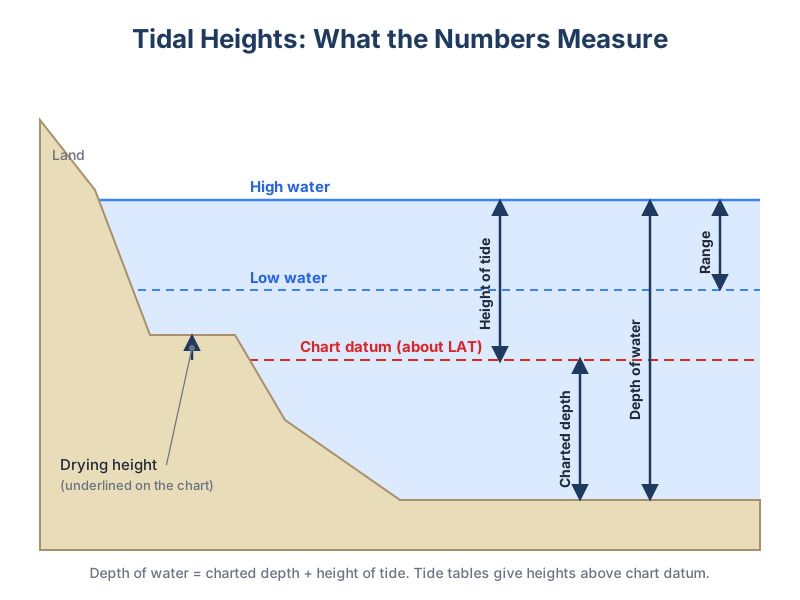
How to Read a Tide Table — A Sailor's Step-by-Step Guide
Learn to read a tide table: high and low water times, heights above chart datum, time zones, range, springs and neaps, and how to turn it into depth of water.
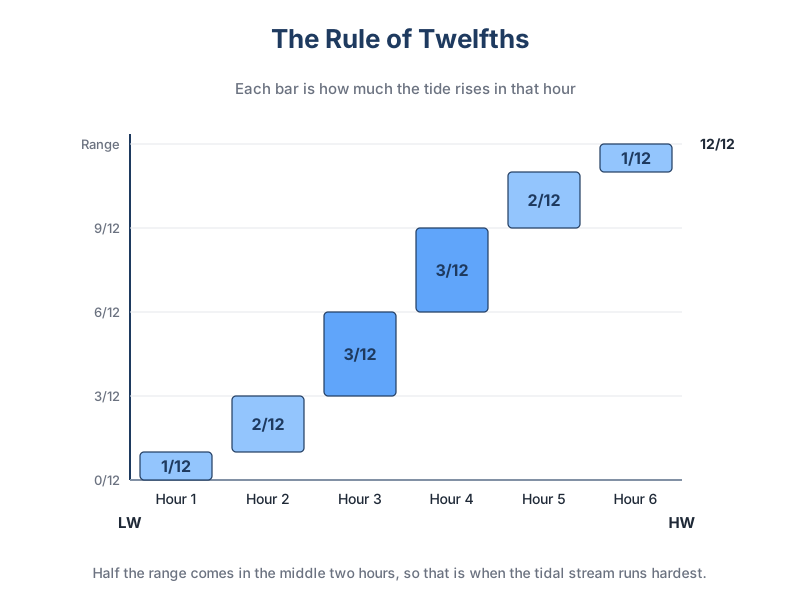
Rule of Twelfths Explained (with Worked Examples)
The rule of twelfths estimates the height of tide at any hour: 1, 2, 3, 3, 2, 1 twelfths of the range. Worked examples, when it works and when it doesn't.
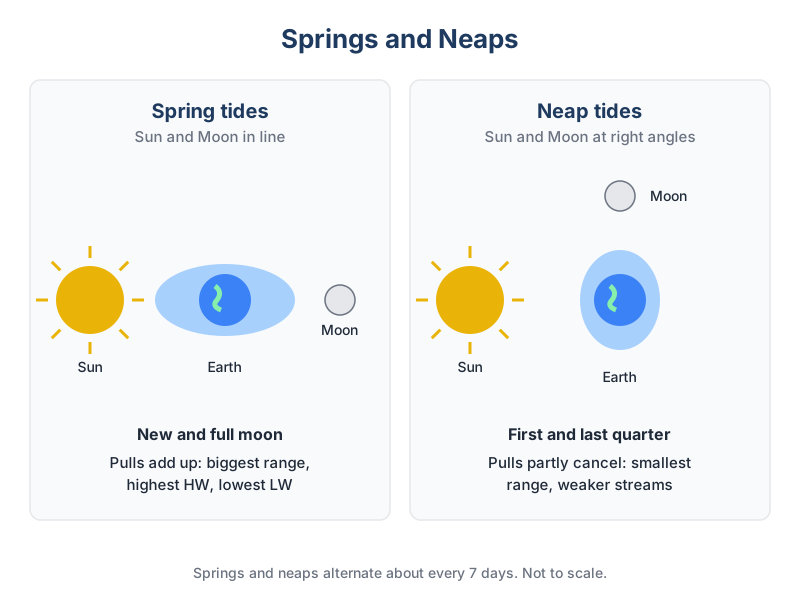
Spring and Neap Tides Explained for Sailors
What spring and neap tides are, why they happen, when they occur in the lunar cycle and how they change tidal heights and streams for your passage.
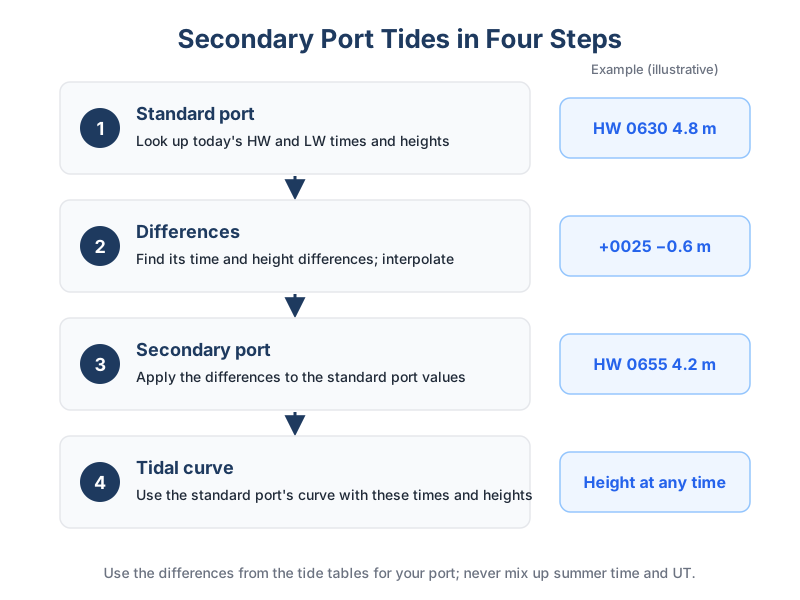
Secondary Port Tidal Calculations — How to Work Them Out
How to work out high and low water times and heights at a secondary port using standard port tables, time differences and height differences.
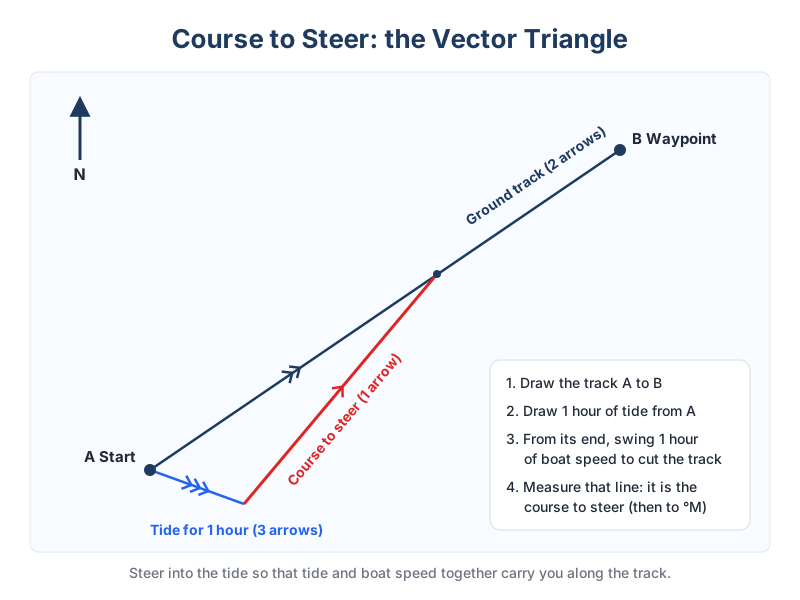
How to Work Out a Course to Steer (CTS) Allowing for Tide
Step-by-step course to steer: draw the ground track, lay off the tidal stream, swing your boat speed, then correct for leeway and variation. With a worked example.
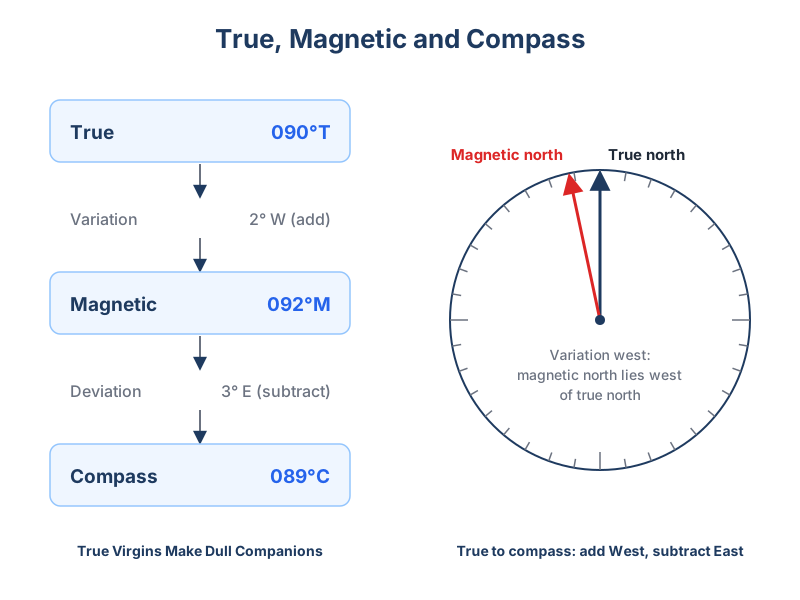
Magnetic Variation and Deviation Explained (True to Compass)
The difference between variation and deviation, how to convert true to magnetic to compass bearings, and memory aids like CADET and 'variation west, magnetic best'.
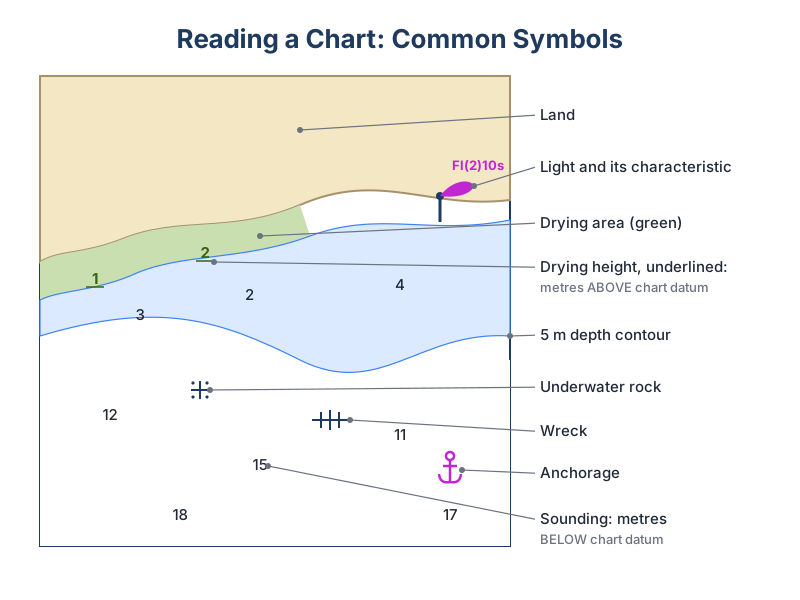
How to Read a Nautical Chart — A Beginner's Guide
How to read a nautical chart: depths and chart datum, colours, latitude and longitude, measuring distance, compass roses, symbols, lights and dangers.
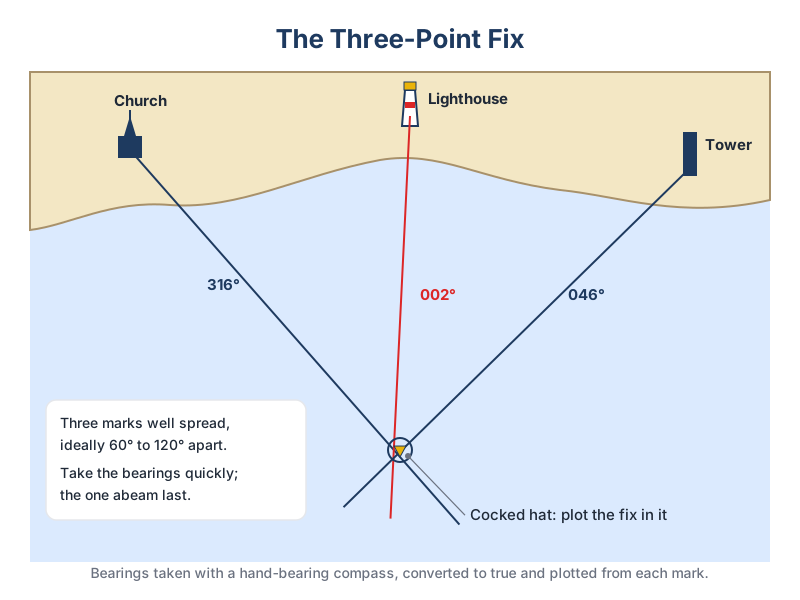
How to Take a Three-Point Fix (Compass Bearing Fix)
How to fix your position with three compass bearings: choosing marks, the order to take them, plotting, the cocked hat and what to do when it is large.
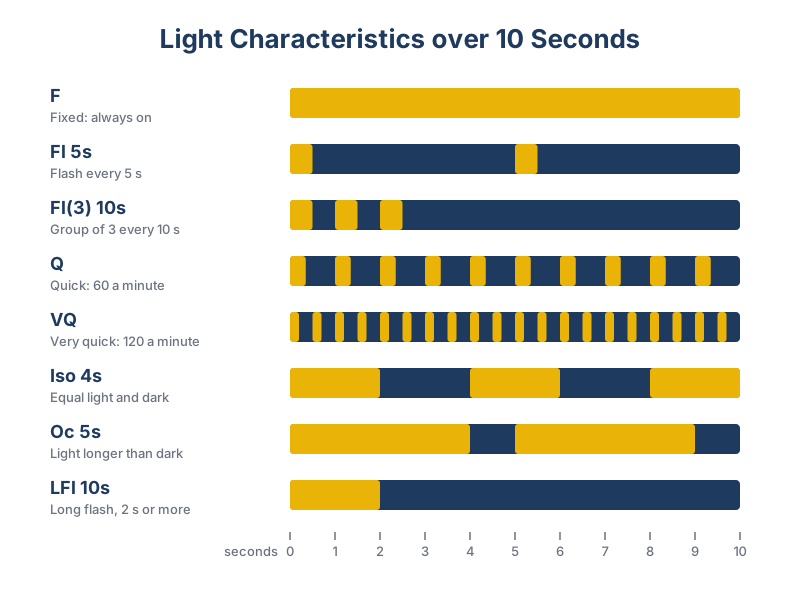
Light Characteristics on Charts — Fl, Oc, Iso, Q Explained
How to read lighthouse and buoy light characteristics on a chart: flashing, occulting, isophase, quick, group flashing, period, colour, height and range.
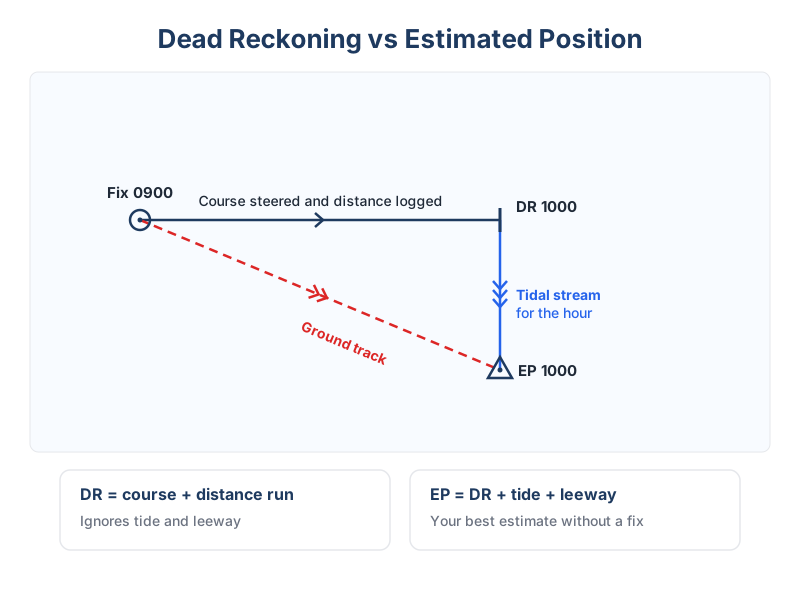
Dead Reckoning vs Estimated Position — What's the Difference?
Dead reckoning uses course and distance through the water; an estimated position also allows for tidal stream and leeway. How to plot both, with chart symbols.
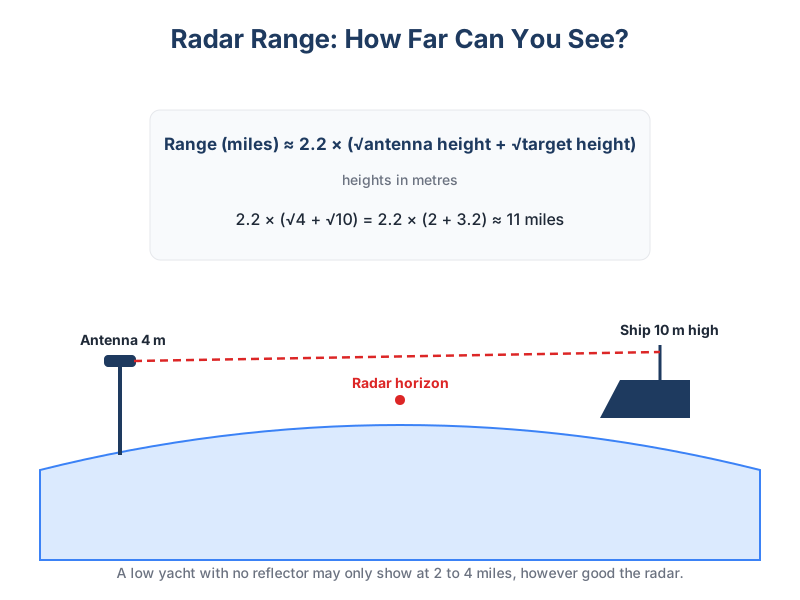
How to Use Radar on a Boat: Beginner's Guide
How to use radar on a boat: set gain, tune and clutter, measure range and bearing with the VRM and EBL, choose head-up or north-up, and spot collision risk.
Rules of the road
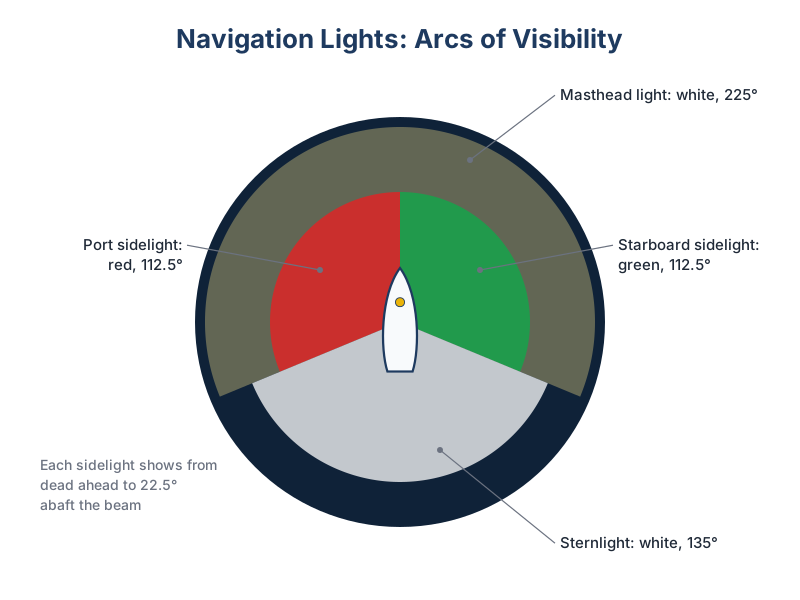
Navigation Lights for Boats — The Complete COLREGs Guide
Every navigation light a sailor needs to know: arcs and ranges, power and sailing vessels, tricolours, fishing, towing, NUC, RAM, CBD, pilot and anchored vessels.
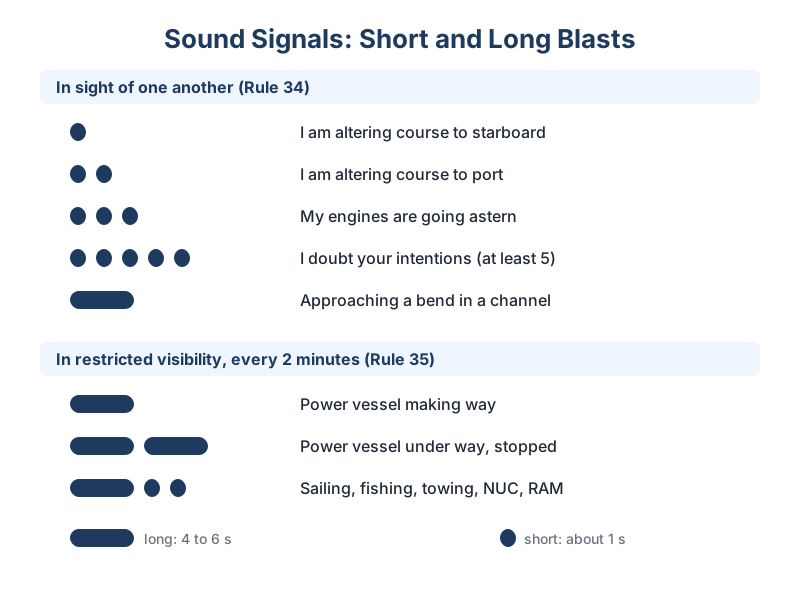
Boat Sound Signals — Horn and Fog Signals Explained
COLREGs sound signals: one short blast means altering to starboard, five short blasts mean doubt, plus overtaking signals in channels and fog signals under Rule 35.
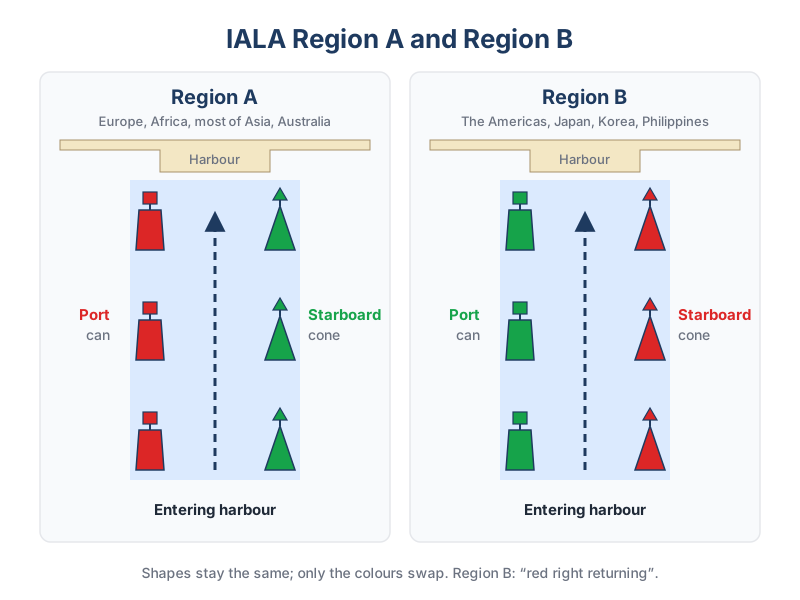
IALA Buoyage Region A vs B — Lateral Marks Explained
The difference between IALA buoyage Regions A and B, which countries use each, the direction of buoyage and how to use port and starboard lateral marks.
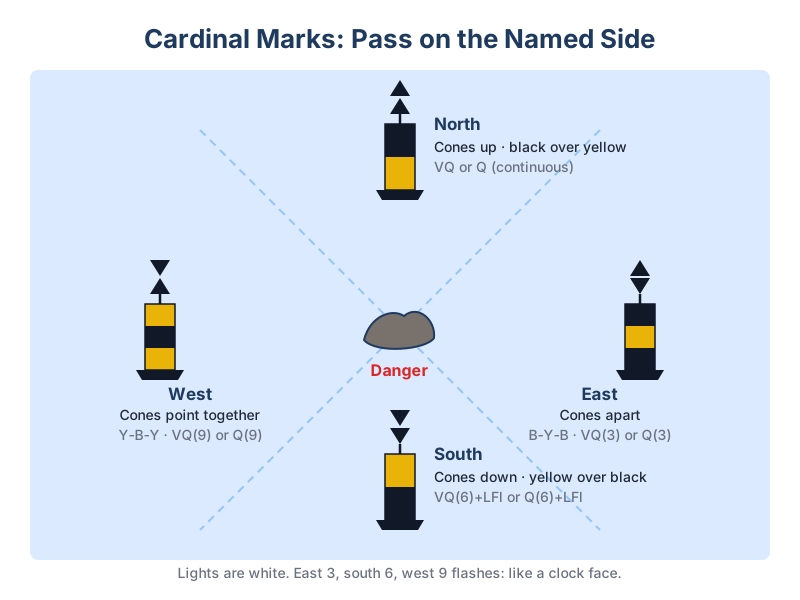
Cardinal Marks Explained — Topmarks, Colours and Lights
How to read cardinal marks: north, east, south and west cardinals, their black and yellow colours, cone topmarks, quick flashing lights and which side to pass.
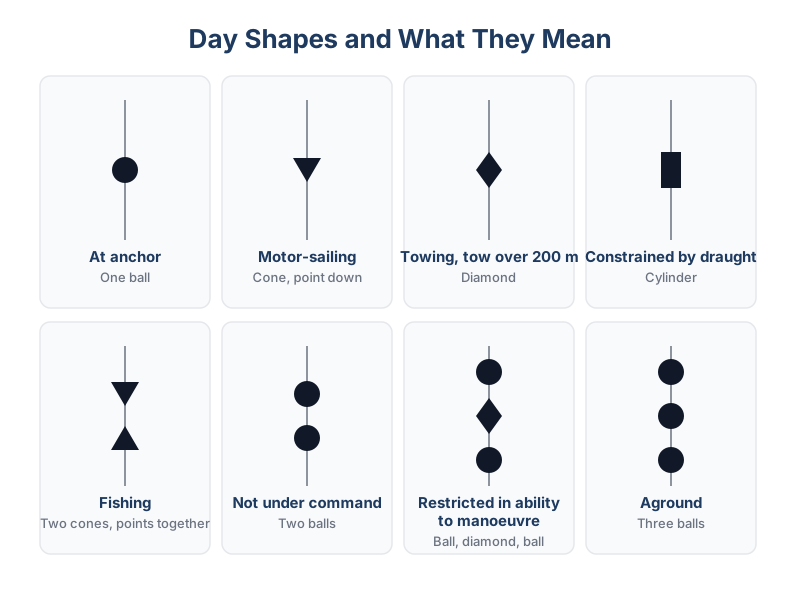
Day Shapes Explained — Balls, Cones, Diamonds and Cylinders
What COLREGs day shapes mean: ball at anchor, two balls NUC, ball-diamond-ball restricted, cylinder CBD, cones for fishing and motor-sailing.
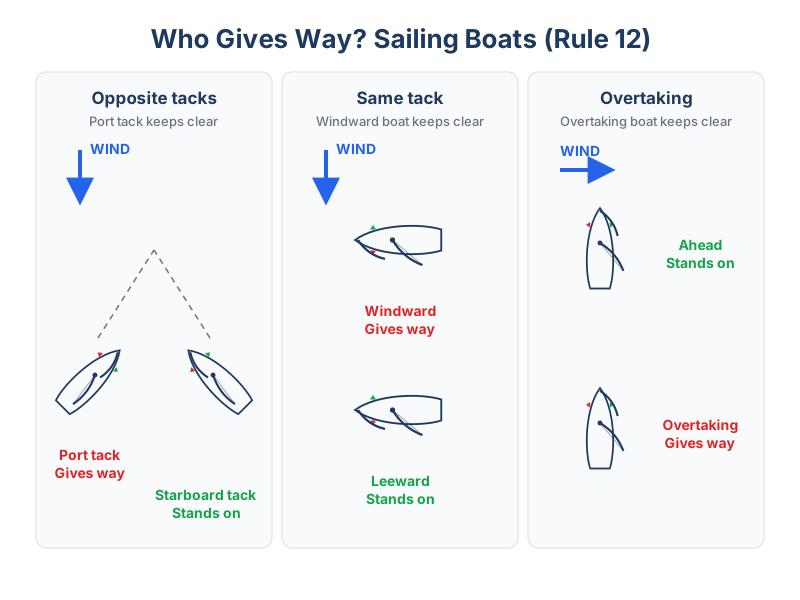
Right of Way Rules for Boats — Who Gives Way?
Who gives way at sea: port tack vs starboard tack, windward vs leeward, overtaking, head-on and crossing power vessels, and the pecking order in Rule 18.
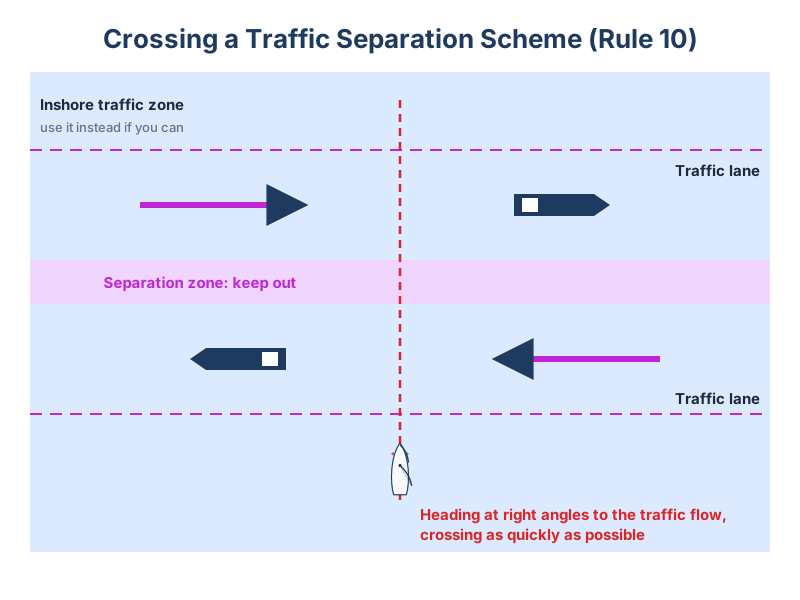
Traffic Separation Schemes (Rule 10) for Yachts
How yachts should cross and use traffic separation schemes under COLREGs Rule 10: heading at right angles, inshore zones and not impeding ships.
Weather
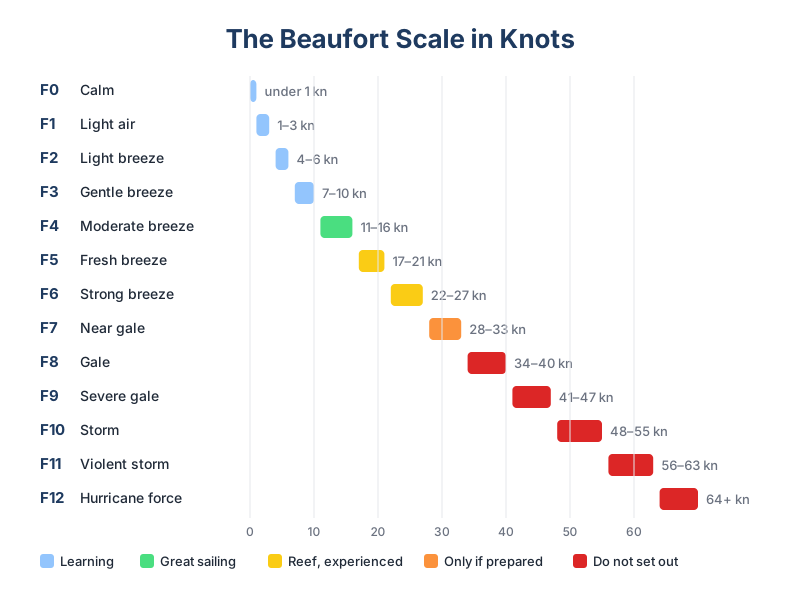
The Beaufort Scale for Sailors — Force 0 to 12 Explained
The Beaufort wind force scale for sailors: wind speeds in knots, wave heights and what each force means on a cruising yacht, from flat calm to hurricane force.
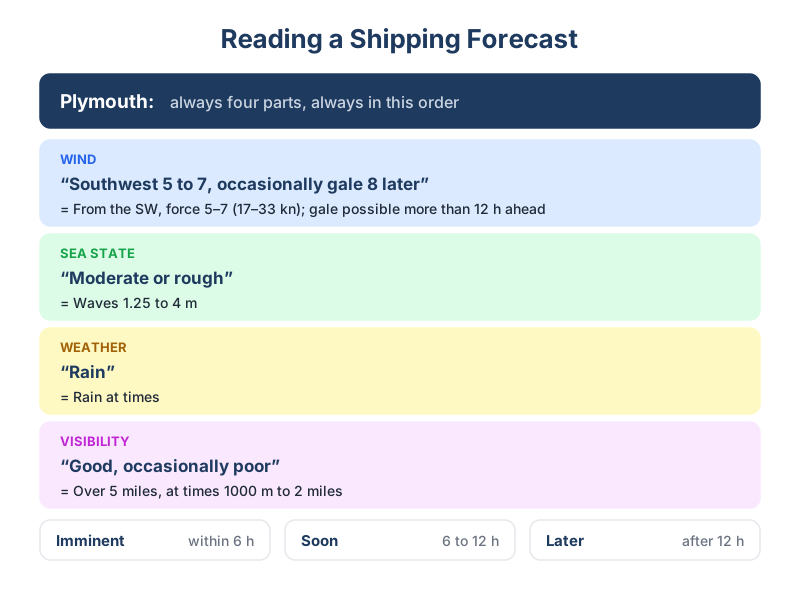
How to Read the Shipping Forecast — Every Term Decoded
How to understand the Shipping Forecast: sea areas, gale warnings, the general synopsis, and the official meanings of wind, sea state, weather and visibility terms.
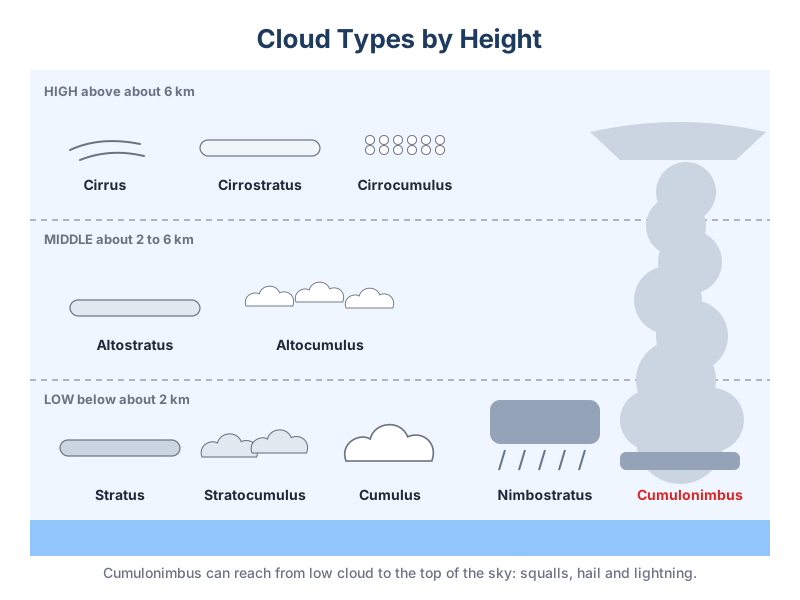
Cloud Types for Sailors — What the Sky Is Telling You
The ten main cloud types and what they mean at sea: cirrus warnings, the halo of cirrostratus, rain-bearing nimbostratus and squally cumulonimbus.
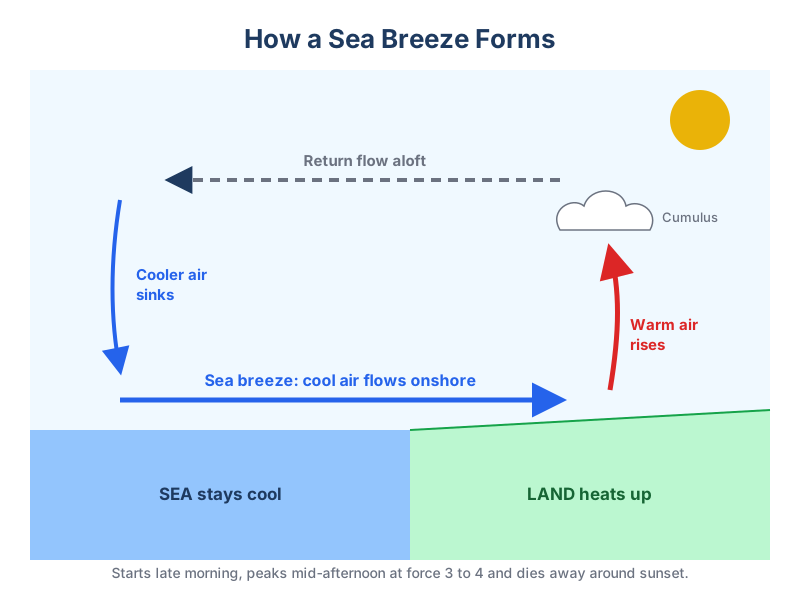
Sea Breezes Explained — When, Why and How Strong
How sea breezes form on sunny days, when they start and peak, how strong they get, how the gradient wind changes them, and the land breeze at night.
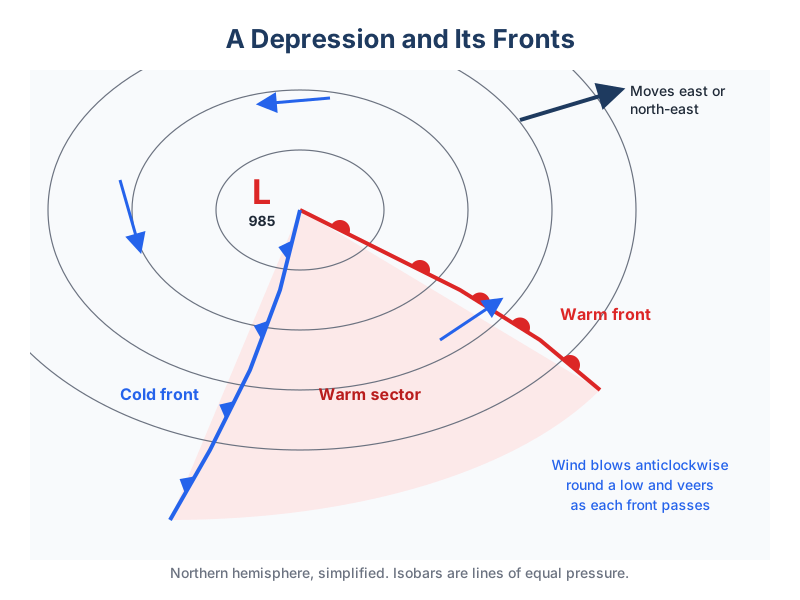
Weather Fronts Explained for Sailors — Warm, Cold and Occluded
How depressions and their fronts affect sailors: the warm front sequence, the warm sector, the cold front's squalls and veer, occlusions and what the barometer does.
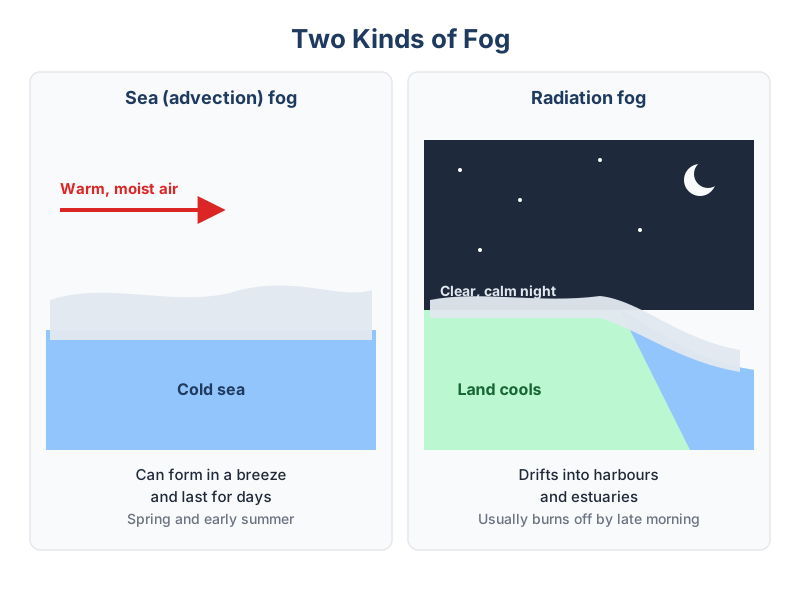
Fog at Sea — Types, Forecasting and What to Do
Sea fog vs radiation fog: how each forms, when it clears, and what to do if fog comes down when you're sailing: sound signals, lookout, radar, AIS and safe speed.
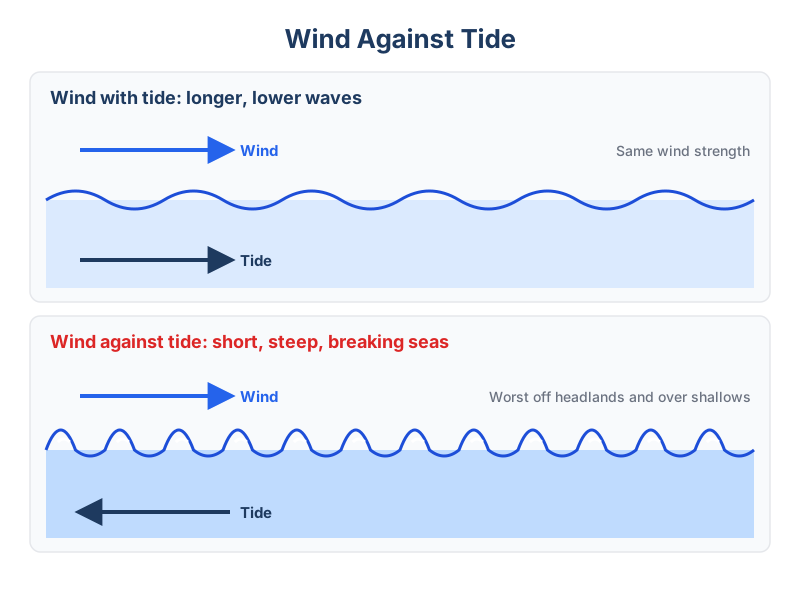
When Is It Too Windy to Sail? A Practical Guide
How much wind is too much for sailing: rules of thumb by crew experience and boat size, gusts, wind against tide, sea state and a go / no-go checklist.
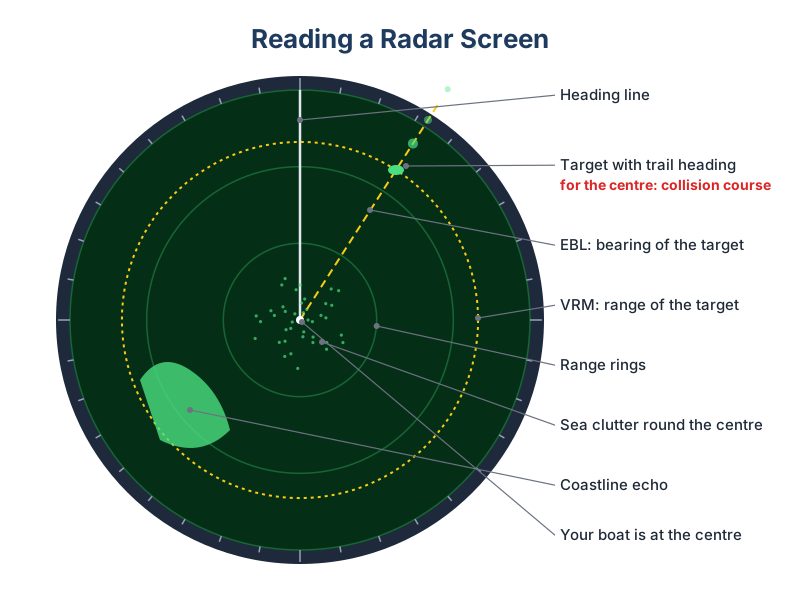
How to Use the Weather and Radar Tools — Step by Step
A step-by-step guide to the free sailing weather tools, the Weather School game and the radar simulator: what every control does, how to practise, and how to test yourself.
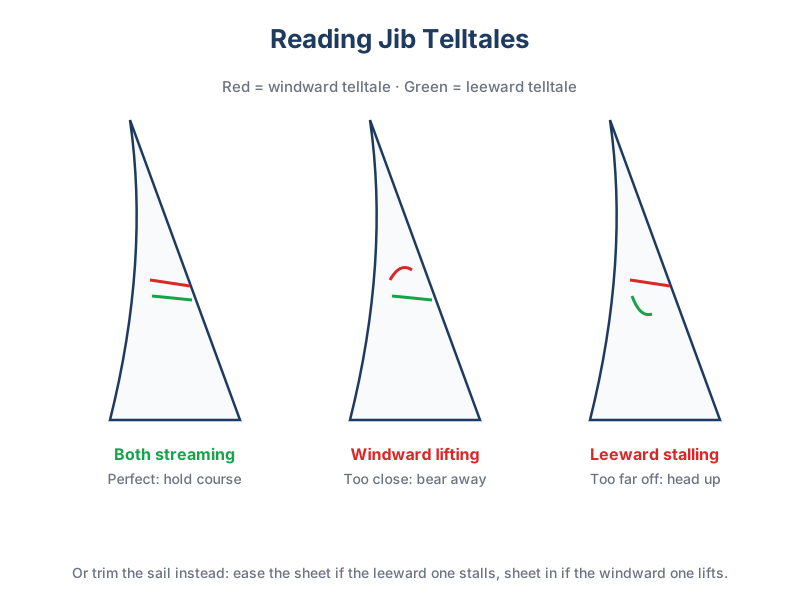
How to Read Wind Direction When Sailing
How to tell wind direction on a boat: water, flags, telltales and wind vanes, true vs apparent wind, and how to read wind barbs on a forecast.
Seamanship & safety
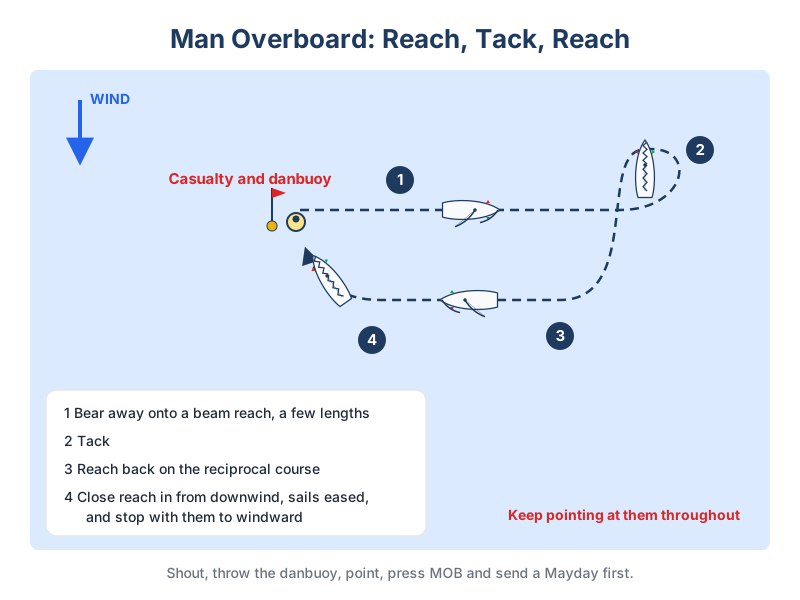
Man Overboard Procedure on a Yacht — Step by Step
What to do if someone falls overboard from a yacht: shout, throw, point, press MOB, call for help, return under sail or power, and get the casualty back aboard.
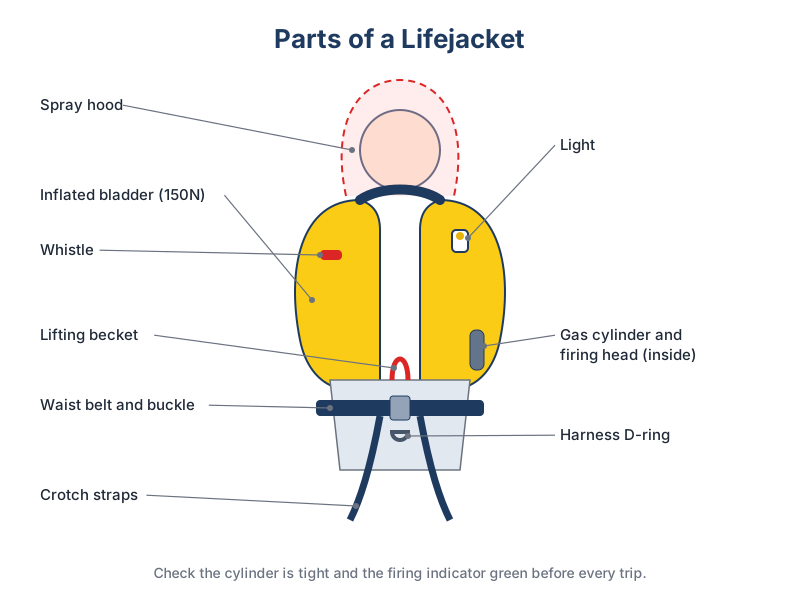
Sailing Lifejackets Explained — 150N vs 275N, Auto vs Manual
How to choose and look after a sailing lifejacket: buoyancy ratings, automatic vs manual inflation, crotch straps, spray hoods, lights and annual servicing.
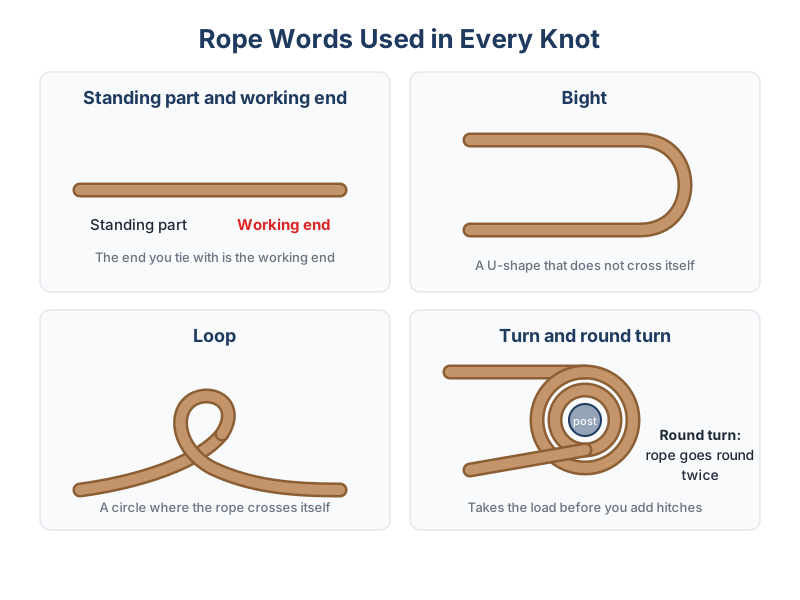
8 Essential Sailing Knots Every Sailor Should Know
The essential sailing knots and what each is for: bowline, round turn and two half hitches, clove hitch, figure of eight, reef knot, sheet bend and more.
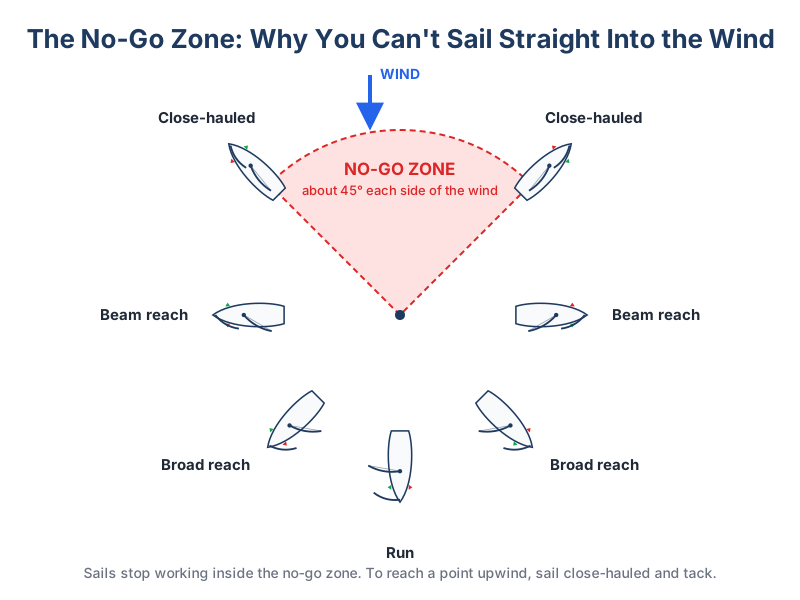
Points of Sail Explained — Close-Hauled to Running
Points of sail for beginners: the no-go zone, close-hauled, reaching and running, plus tacking, gybing and port and starboard tack.
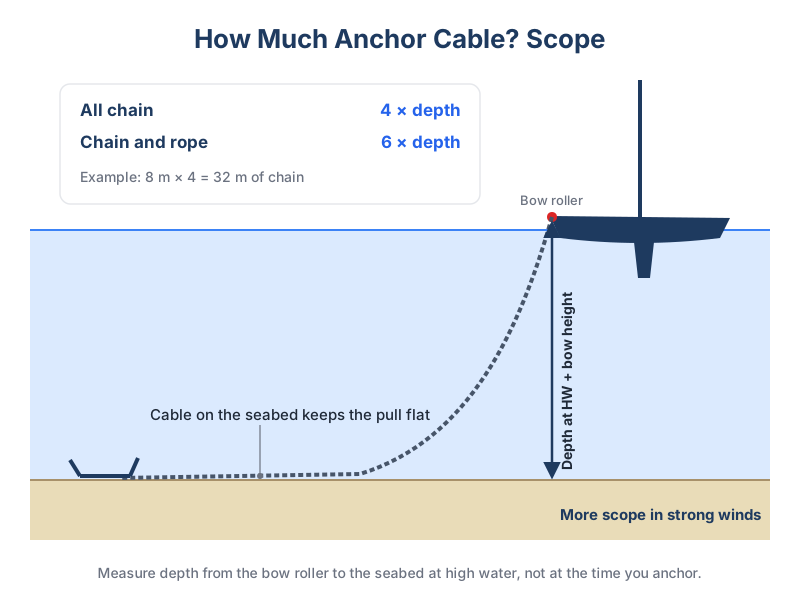
How to Anchor a Yacht — Scope, Holding and Technique
How to anchor a sailing yacht: choosing a spot, scope (4:1 chain, 6:1 rope), setting the anchor, checking it is holding and the anchor signals to show.
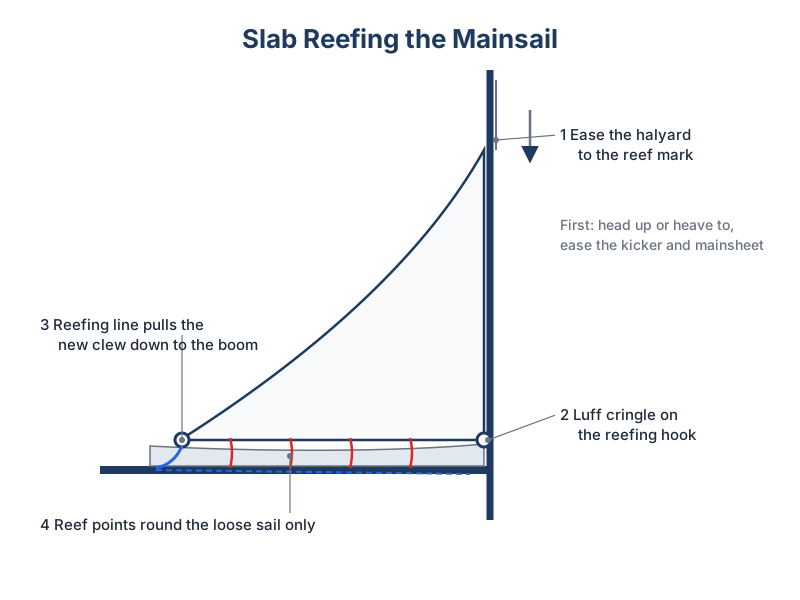
When and How to Reef a Sailing Boat
When to reef a yacht (the first time you think of it), signs you're overpowered, and step-by-step slab reefing for the mainsail and furling the headsail.
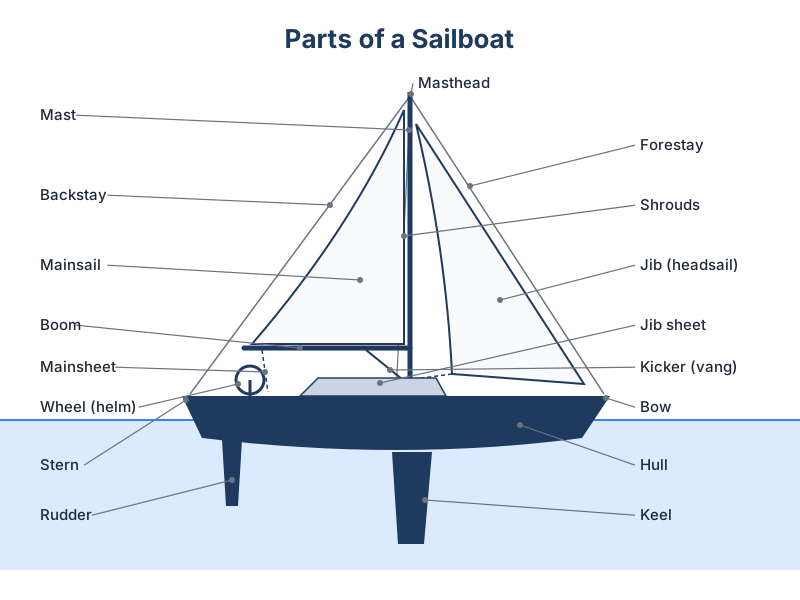
Parts of a Sailboat: Names and Diagram
Every part of a sailboat named and explained with labelled diagrams: hull, keel, rudder, mast, boom, sails, rigging and the parts of a sail.
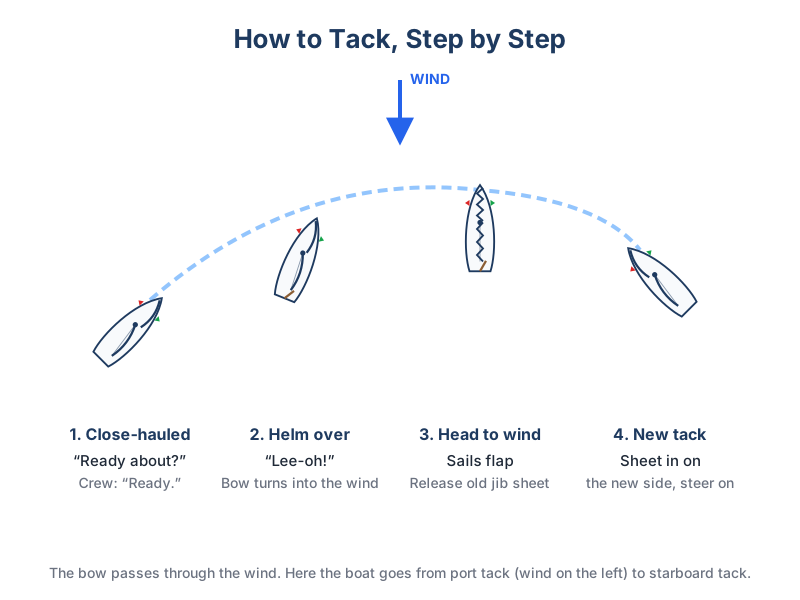
How to Tack and Gybe: Steps and Commands
How to tack and gybe a sailboat step by step, with the crew commands, diagrams, the difference between the two, and how to gybe safely with a preventer.
Can You Sail Into the Wind? Upwind Sailing
Why a sailboat can't sail directly into the wind, how close it can point, how sails make lift, and how to reach a point upwind by beating and tacking.
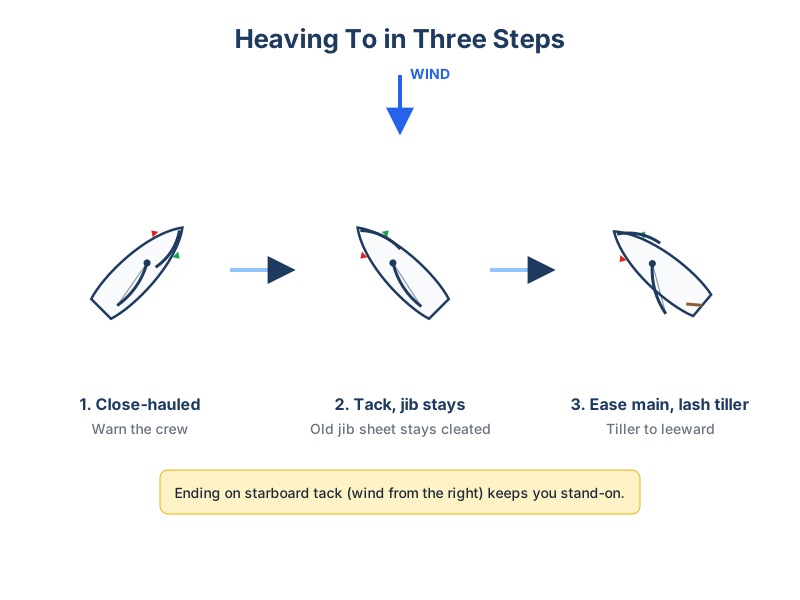
How to Heave To: Step-by-Step Guide
How to heave to in a sailing yacht or dinghy: the steps, how it works, when to use it (reefing, rest, heavy weather, MOB) and how to sail on again.
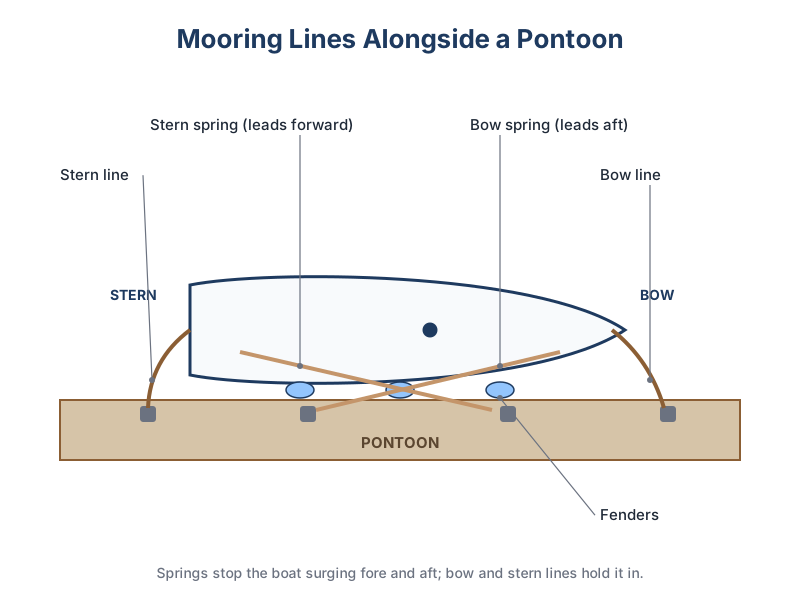
How to Moor a Sailboat: Pontoons and Buoys
How to moor a sailboat alongside a pontoon or on a mooring buoy: approach, mooring lines and springs, wind and tide, and single-handed tips.
Radio & communication
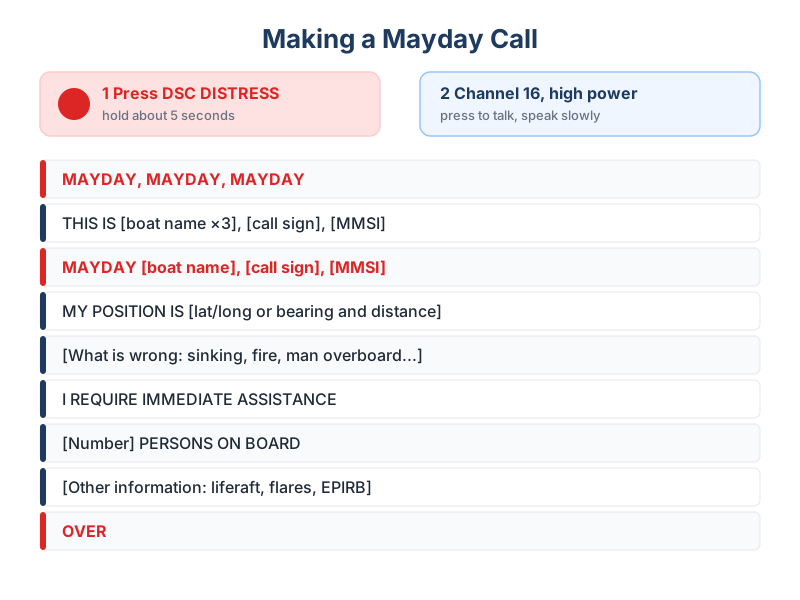
How to Make a Mayday Call on VHF — Exact Words to Use
The Mayday procedure on a marine VHF: DSC distress alert, the exact voice call, what counts as a Mayday vs a Pan-Pan, and how to cancel a false alert.
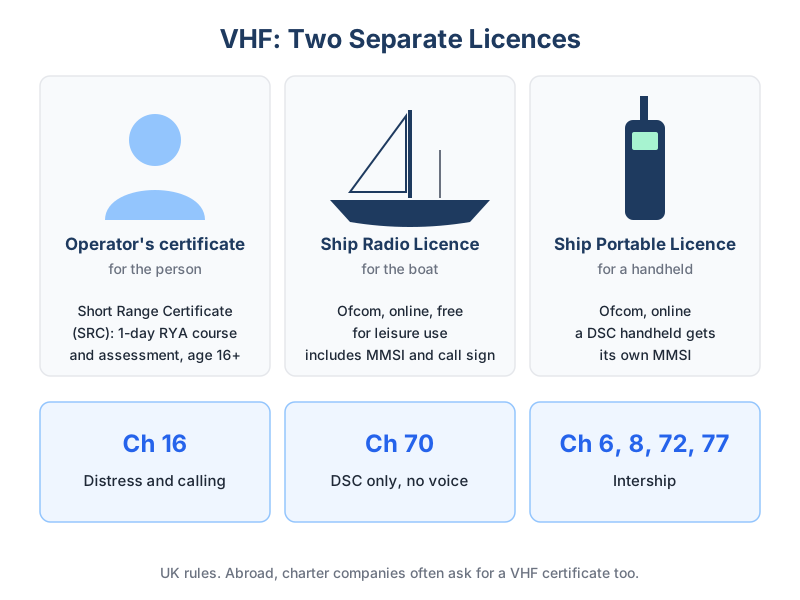
Do I Need a VHF Radio Licence? The SRC Explained (UK)
Which licences you need to use a marine VHF in the UK: the operator's Short Range Certificate (SRC), the Ofcom Ship Radio Licence and MMSI, and portable licences.
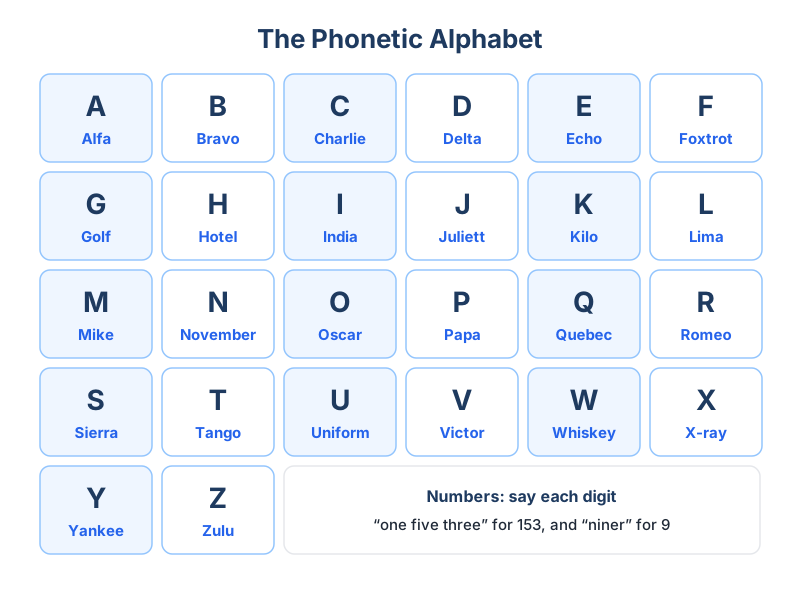
The Phonetic Alphabet for Sailors — Alfa to Zulu
The NATO / ITU phonetic alphabet used on marine VHF, with pronunciation, how to say numbers on the radio, and when to use 'I spell'.
Cruising & chartering
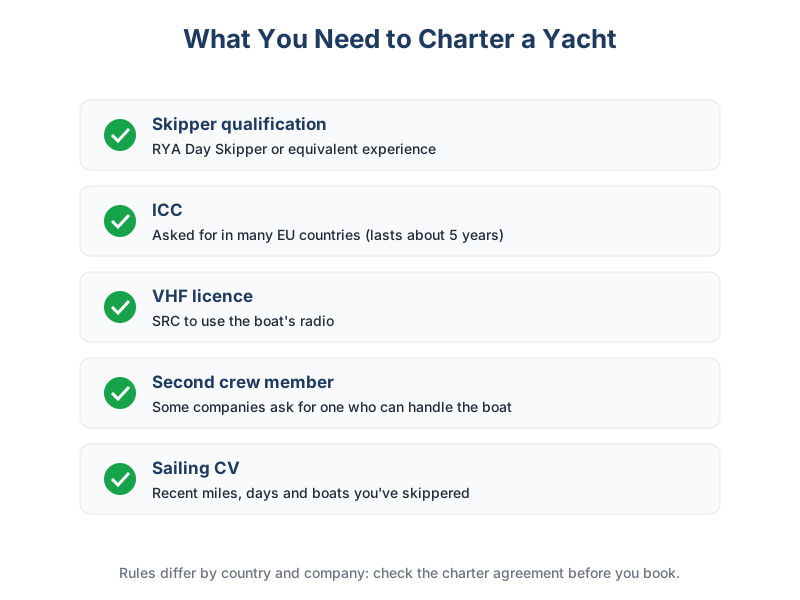
How to Charter a Yacht — Bareboat Charter Guide for Beginners
How bareboat yacht charter works: the qualifications and experience you need, charter types, the handover check and the security deposit.
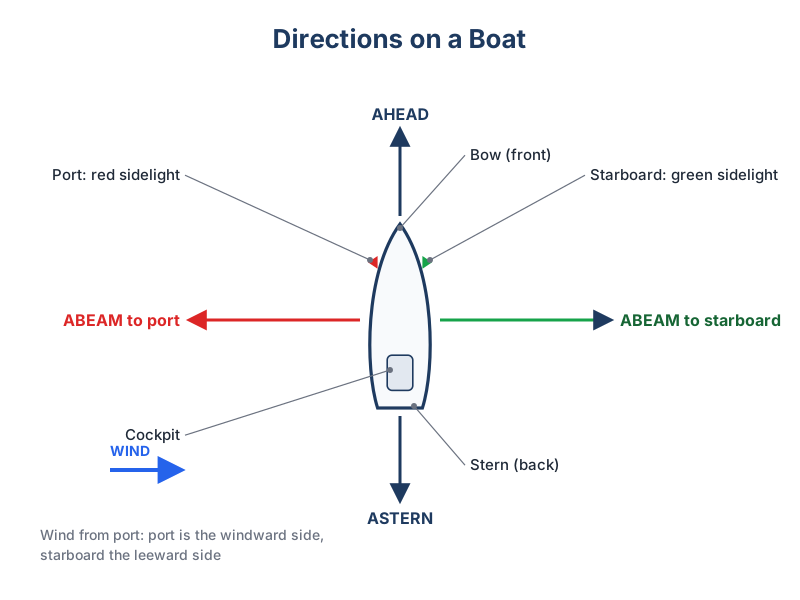
Sailing Terms for Beginners — 40 Words You'll Hear on Day One
Essential sailing terms explained simply: port and starboard, bow and stern, windward and leeward, tacking and gybing, sheets and halyards, and more.