Chartwork
What Is Leeway in Sailing? How to Estimate and Allow for It
Published · Last checked October 2026
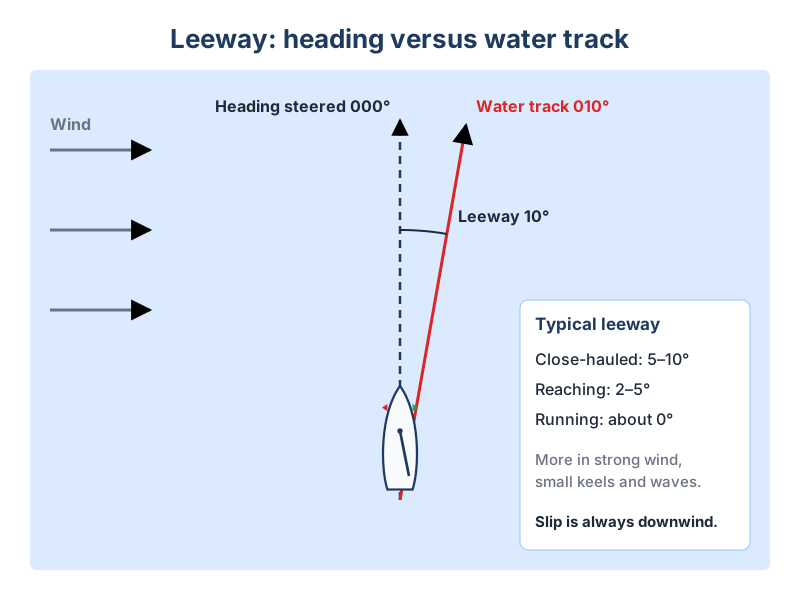
Leeway is the sideways slip of a boat through the water caused by the wind pushing on the hull and rig. It makes the boat's actual track through the water differ from the heading she is steering. On a yacht close-hauled it is typically 5 to 10 degrees, less on a reach and close to zero downwind. You allow for it by adjusting the heading downwind of the course for plotting, and steering upwind of the course you want when working out a course to steer.
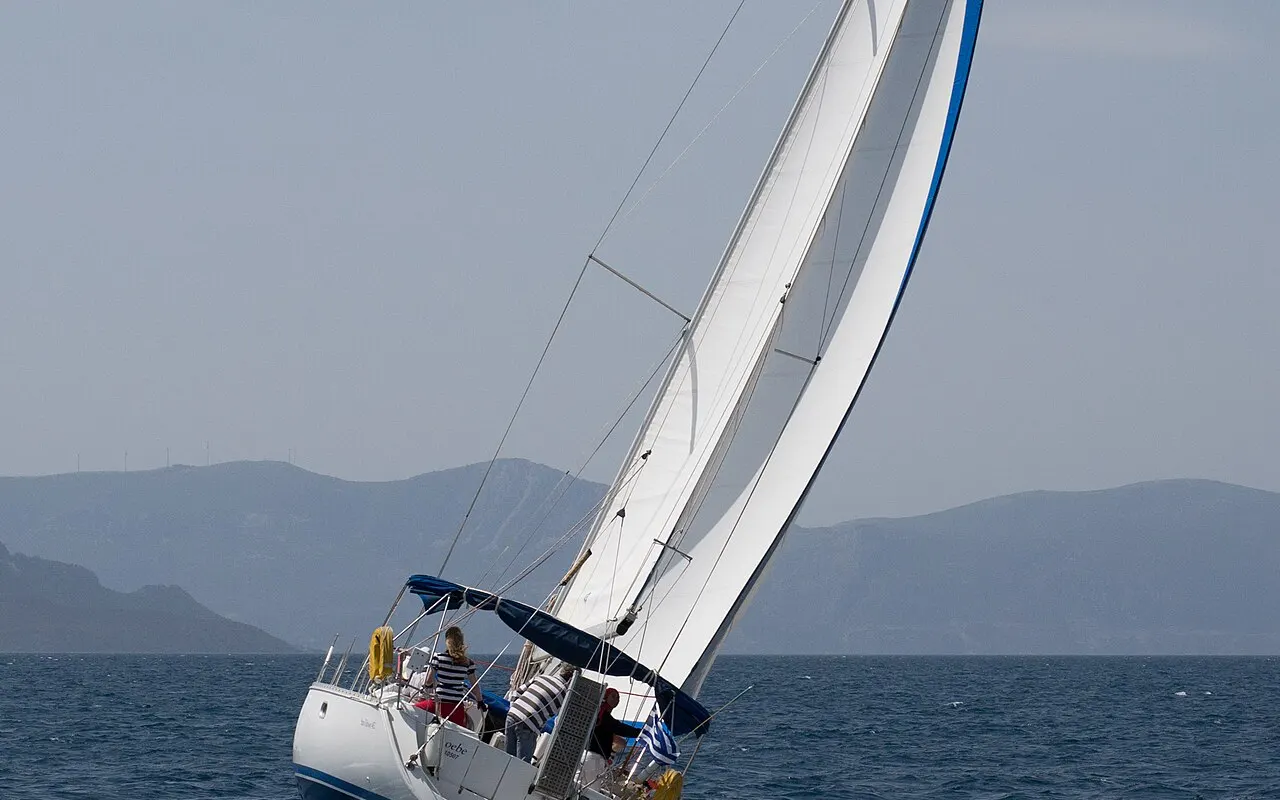
What causes leeway
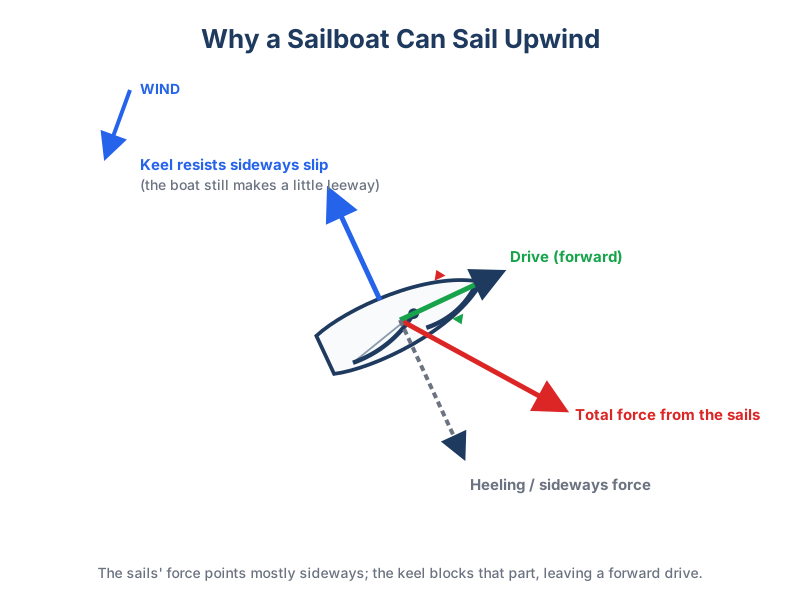
A sailing boat's sails produce a sideways force as well as forward drive. The keel resists most of it, but never all of it, so the boat crabs slightly downwind. Windage on the hull, sprayhood and crew adds to the effect. Leeway is separate from tidal stream: leeway is movement through the water caused by wind, while tide moves the whole body of water, boat included.
How much leeway to expect
| Situation | Typical leeway |
|---|---|
| Close-hauled, moderate breeze | 5–8° |
| Close-hauled, strong wind and waves, reefed | 10–15° or more |
| Beam reach | 2–5° |
| Broad reach or running | 0–2° |
| Motoring in a strong crosswind | A few degrees, more for high-sided boats |
Shallow-draught boats, bilge keelers and boats sailed slowly in big seas make more leeway. A boat pinching too close to the wind slows down and slides sideways more, so footing off slightly can actually reduce it.
How to estimate it on board
- Look at the wake astern and estimate the angle between it and the boat's centreline.
- Compare your heading with the course through the water shown by repeated fixes in calm, slack-tide conditions.
- Note what you see in different conditions in the log, so you build up figures for your own boat.
Applying leeway in chartwork
The rule is simple: leeway always pushes you away from the wind. For a dead reckoning or estimated position, apply leeway to the heading downwind to get the water track. For a course to steer, work out the water track first and then steer that many degrees into the wind to cancel it out.
Example: you are steering 090°M with the wind from the north and estimate 5° of leeway. The wind pushes you south, so your water track is 095°M.
Practise this in the course plotting and tidal lesson.