Tides
Spring and Neap Tides Explained for Sailors
Published · Last checked October 2026
Spring tides have the biggest range (highest high waters, lowest low waters and the strongest streams) and happen a day or two after new and full moon. Neap tides have the smallest range and weakest streams and follow the first and last quarter moons. The cycle repeats about every two weeks. 'Spring' has nothing to do with the season.
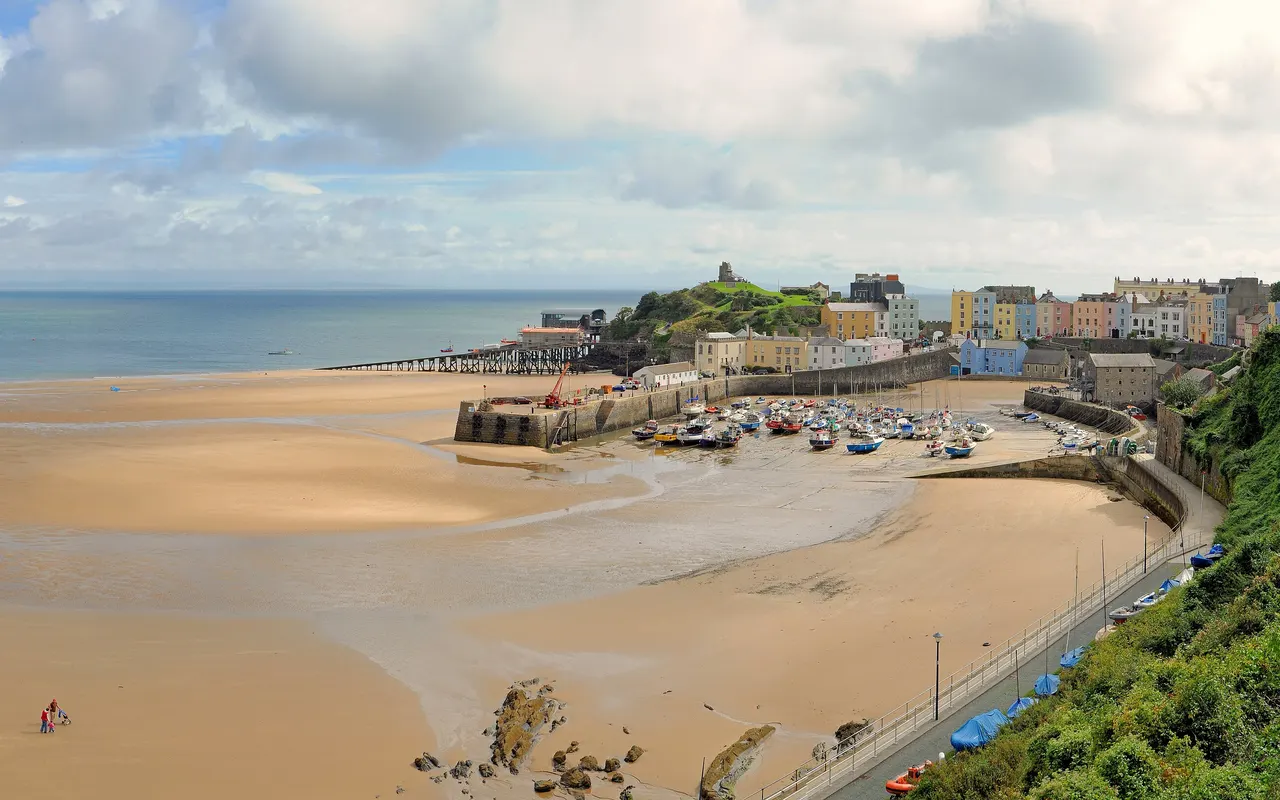
Why they happen
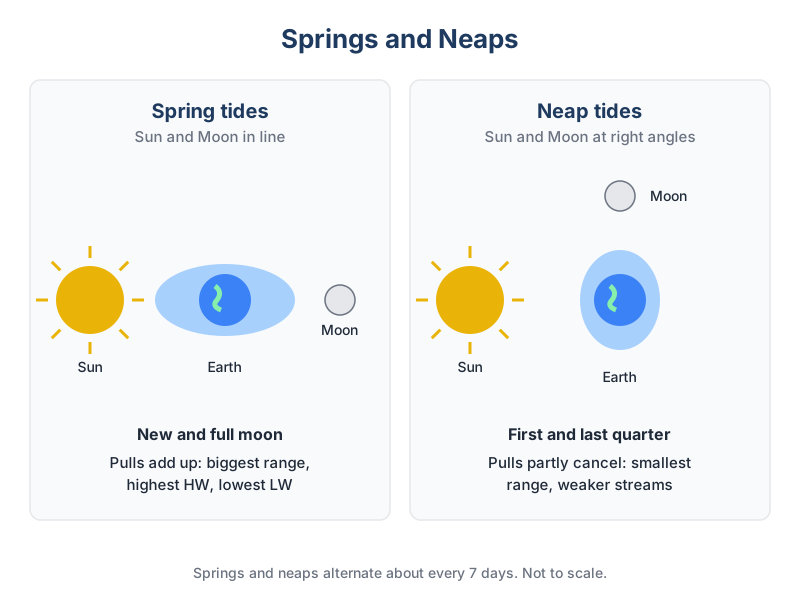
The moon and the sun both raise tides. At new and full moon they line up and their effects add, giving springs. At the quarter moons they pull at right angles and partly cancel, giving neaps. The ocean takes a day or two to respond, which is why springs lag the moon phase.
What changes for a sailor
| Springs | Neaps | |
|---|---|---|
| Range | Largest | Smallest |
| High water | Higher | Lower |
| Low water | Lower: more drying banks exposed | Higher |
| Tidal streams | Strongest | Often about half the spring rate |
| Wind against tide | Roughest | Less severe |
Tidal diamonds and tidal stream atlases give separate spring and neap rates. For days in between, interpolate using the day's range compared with the mean spring and neap ranges for the standard port.
Equinoctial springs
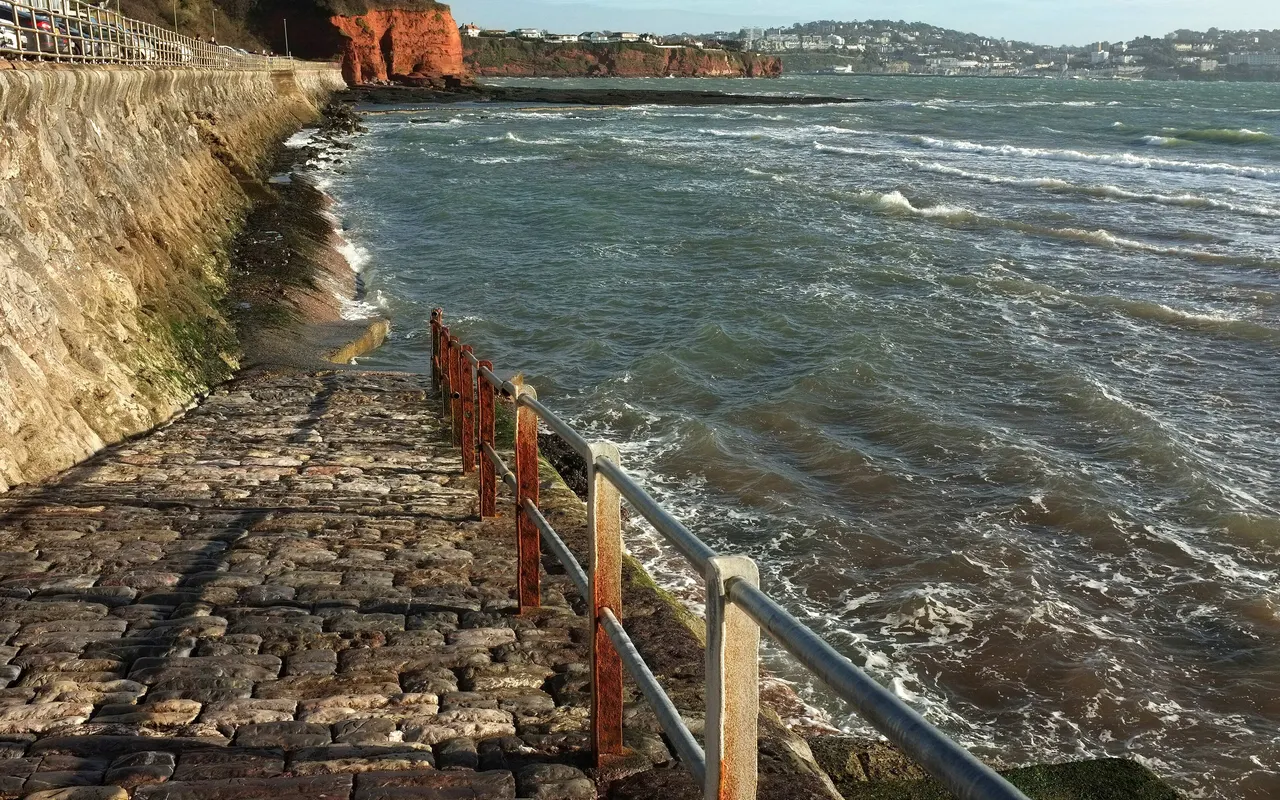
Around the March and September equinoxes, spring tides are usually at their largest of the year. Expect exceptionally low low waters (good for scrubbing a boat against a wall) and exceptionally high high waters (watch moorings and pontoons in onshore gales).