Boat handling
How to Tack and Gybe: Steps and Commands
Published · Last checked October 2026
Tacking turns the boat's bow through the wind, from close-hauled on one side to close-hauled on the other. Gybing turns the stern through the wind when sailing downwind, and the boom swings across. Both follow the same pattern: the helm warns the crew ("Ready about?" or "Stand by to gybe"), the crew confirm, the helm calls the turn ("Lee-oh!" or "Gybe-oh!"), and the crew release the old sheet and trim the new one.
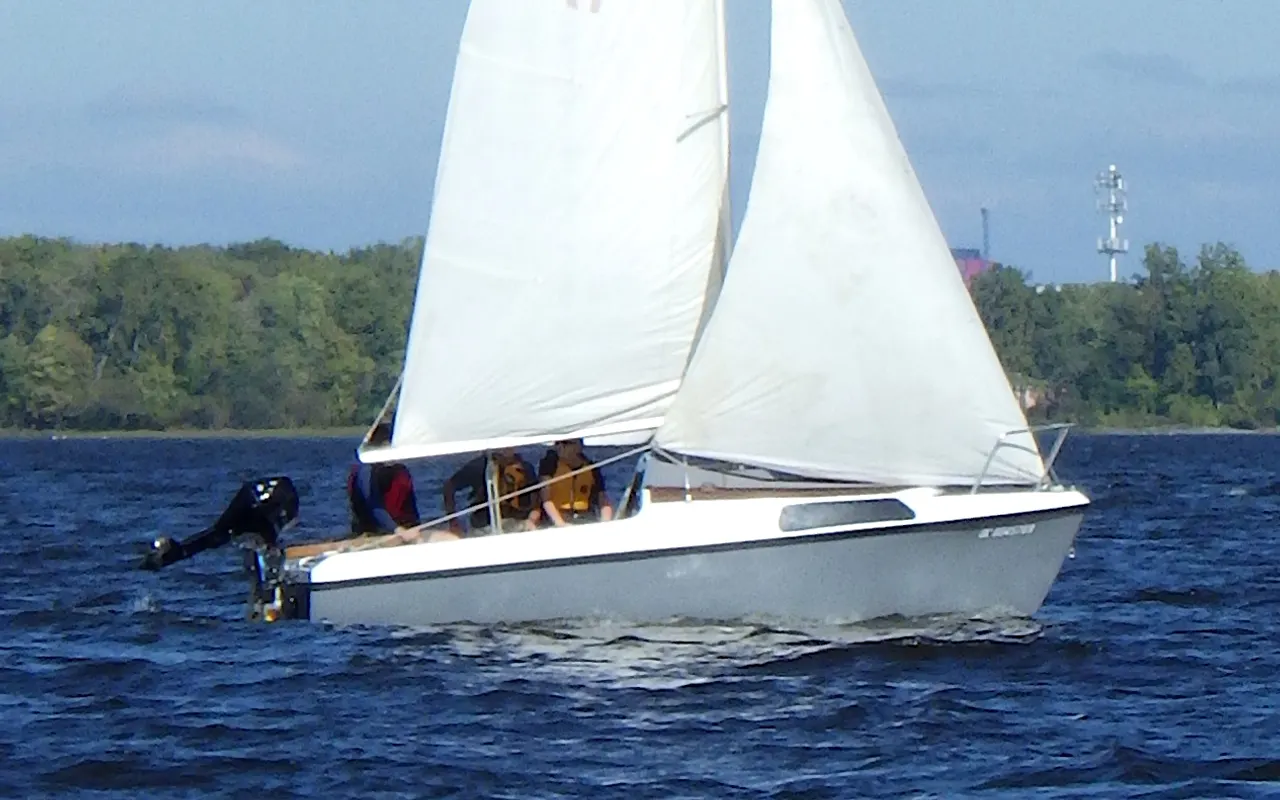
Tacking vs gybing: what's the difference?
| Tack | Gybe | |
|---|---|---|
| What passes through the wind | The bow | The stern |
| Usual point of sail | Upwind (close-hauled) | Downwind (broad reach or run) |
| Speed of the boom | Slow, sails flap through | Fast and powerful |
| Risk | Low: you may stall head to wind | Higher: a crash gybe can injure or damage |
| Warning call | "Ready about?" | "Stand by to gybe" |
| Action call | "Lee-oh!" | "Gybe-oh!" |
How to tack, step by step
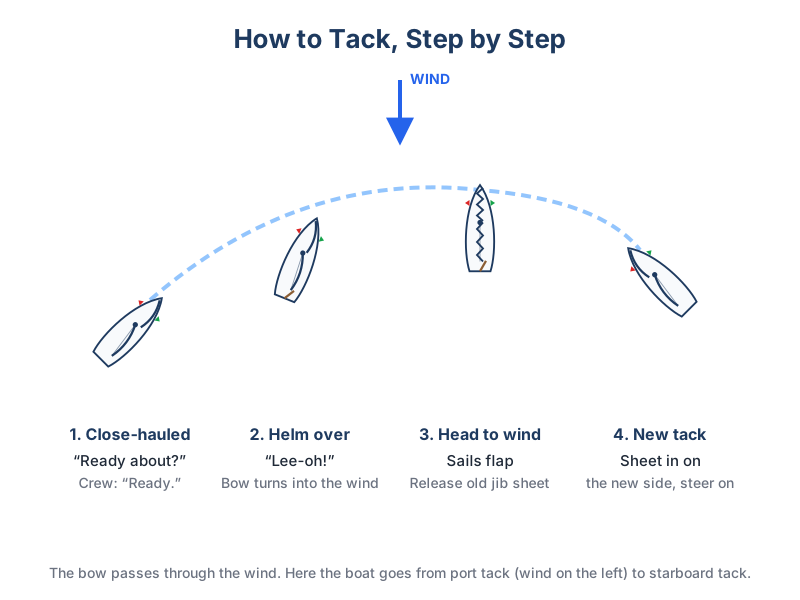
- Check it's clear: look all round, especially to windward where you will be heading.
- Helm calls "Ready about?" Crew get ready: the working jib sheet is on the winch but ready to let go, the new sheet has a couple of turns on the other winch.
- Crew answer "Ready."
- Helm calls "Lee-oh!" and turns steadily towards the wind. On a tiller, push the tiller away from you (towards the sail).
- As the jib starts to back (fill from the wrong side), the crew release the old sheet.
- The bow passes through the wind. Crew pull in the new jib sheet quickly before the sail fills, then winch it in.
- Helm settles on the new close-hauled course, about 90° from the old one, and the mainsail trims itself across on its traveller.
If you get stuck in irons
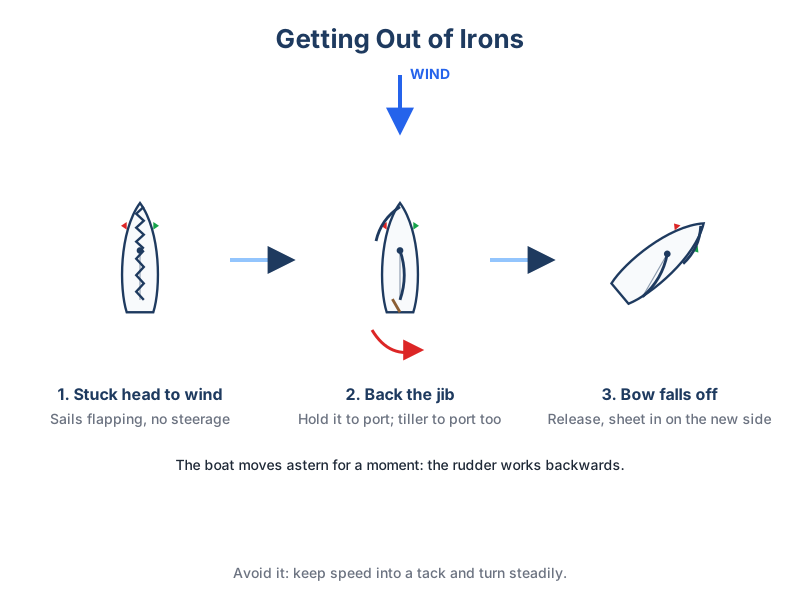
If the boat stops head to wind, hold the jib out on the side you want the bow to go away from (backing it), and put the tiller towards the jib side. The boat will drift backwards and the bow will fall off. Then sheet in normally.
How to gybe, step by step
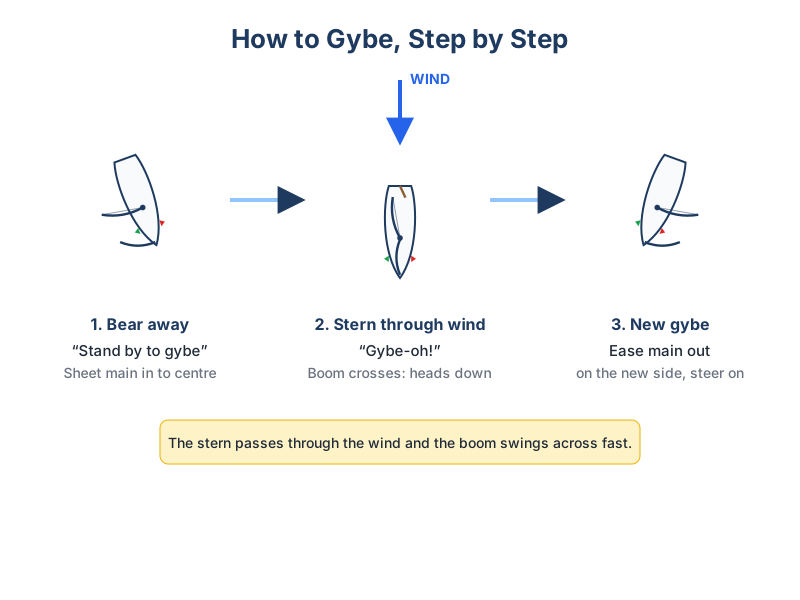
- Check it's clear and that nobody's head is in the boom's path.
- Helm calls "Stand by to gybe." Bear away to a dead run.
- Crew sheet the mainsail in towards the centreline. This shortens the boom's swing.
- Crew answer "Ready."
- Helm calls "Gybe-oh!" and turns gently so the stern passes through the wind.
- As the boom crosses, ease the mainsheet out quickly on the new side to absorb the load, and swap the jib (or spinnaker) sheets.
- Helm steadies on the new course. Don't over-turn into a broach.
How to gybe safely in strong wind
- Always sheet the main in first. A boom swinging from fully out to fully out is a crash gybe.
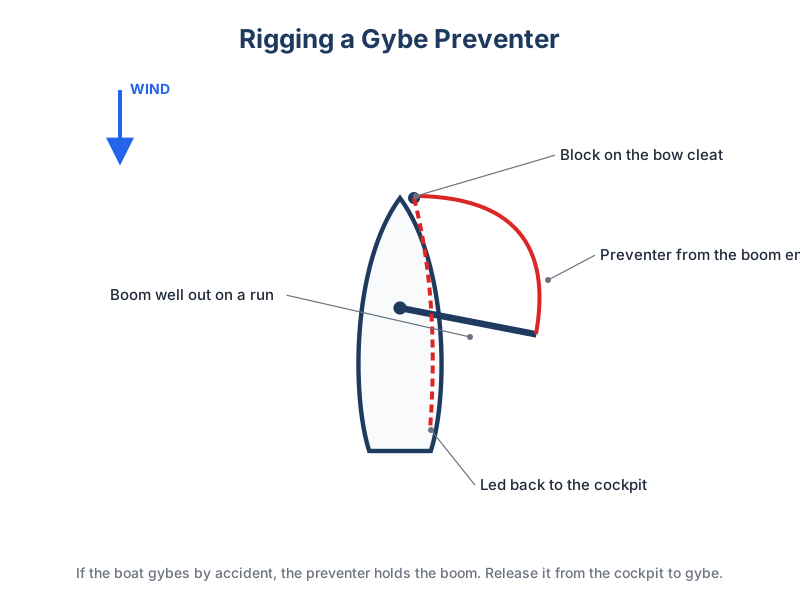
- Rig a preventer when running for long periods: a line from the end of the boom forward to the bow and back to the cockpit, so an accidental gybe can't swing the boom.
- In a strong wind, consider a chicken gybe: tack round instead (turning 270° the other way). It's slower but safe.
- Keep heads low and hands clear of the mainsheet tackle.
Gybing with a spinnaker or gennaker
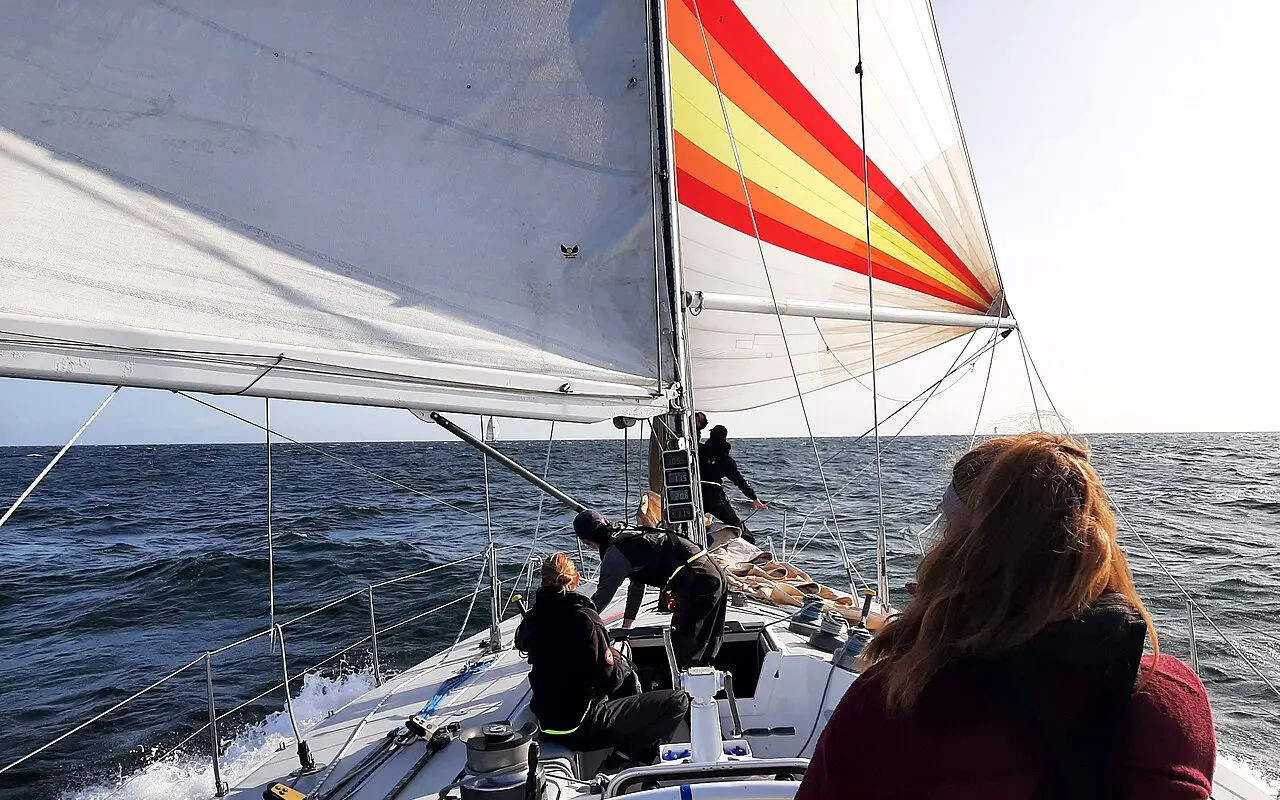
Downwind sails make gybing busier. With an asymmetric spinnaker or gennaker, let the old sheet go as the stern passes through the wind and pull the new sheet in, so the sail blows round in front of the forestay (an outside gybe) or between the luff and forestay (an inside gybe). With a symmetric spinnaker and pole, small boats swap the pole end-for-end while larger yachts dip the pole under the forestay. Practise in light winds first, and keep the mainsail controlled the same way as in a normal gybe.
Tacking a dinghy vs a yacht
| Dinghy | Yacht | |
|---|---|---|
| Crew movement | Helm and crew cross the boat, facing forward | Crew stay seated and work winches |
| Tiller | Swap hands behind your back with the extension | Wheel or tiller stays on one side |
| Sheets | Pulled by hand, cleated in cam cleats | Wrapped on winches, tailed or self-tailing |
| Speed of turn | Fast; roll tacks add speed | Slower and steadier; the genoa takes time to cross |
| Biggest risk | Capsize if crew are slow to move | Getting fingers caught in winches; the boom |
Common mistakes when tacking and gybing
- Turning too fast or too slow. Aim to take three to five seconds through the wind on a yacht.
- Releasing the jib too early. Wait until it starts to back, or the bow loses its push through the wind.
- Over-sheeting straight after a tack. Let the boat build speed with the jib slightly eased, then trim in.
- Forgetting the runner or backstay on boats that have them.
- Gybing with the main fully out. Always centre it first.
- Over-turning after a gybe. The boat wants to round up; meet it with the helm.
Practice drills
- Sail a figure-of-eight round two buoys, tacking at one and gybing at the other.
- Tack on every whistle blast for ten minutes. Count how many seconds the boat is below full speed.
- Swap roles so everyone helms, trims the jib and handles the mainsheet.
- Practise a chicken gybe (tacking round instead) so it's automatic on a windy day.
Watch your wind angle with the no-go zone diagram and practise the sail settings in the sail trim tool.