Emergencies
Man Overboard Procedure on a Yacht — Step by Step
Published · Last checked October 2026
If someone falls overboard: shout 'Man overboard!', throw a lifebuoy and danbuoy, appoint someone to point at the casualty and never lose sight of them, press the MOB button on the GPS, and send a DSC alert and Mayday. Then turn back, under sail (heave-to or reach-tack-reach) or carefully under engine, approach slowly from downwind so you stop alongside them, and lift them back aboard with a halyard, lifting strop or sling.
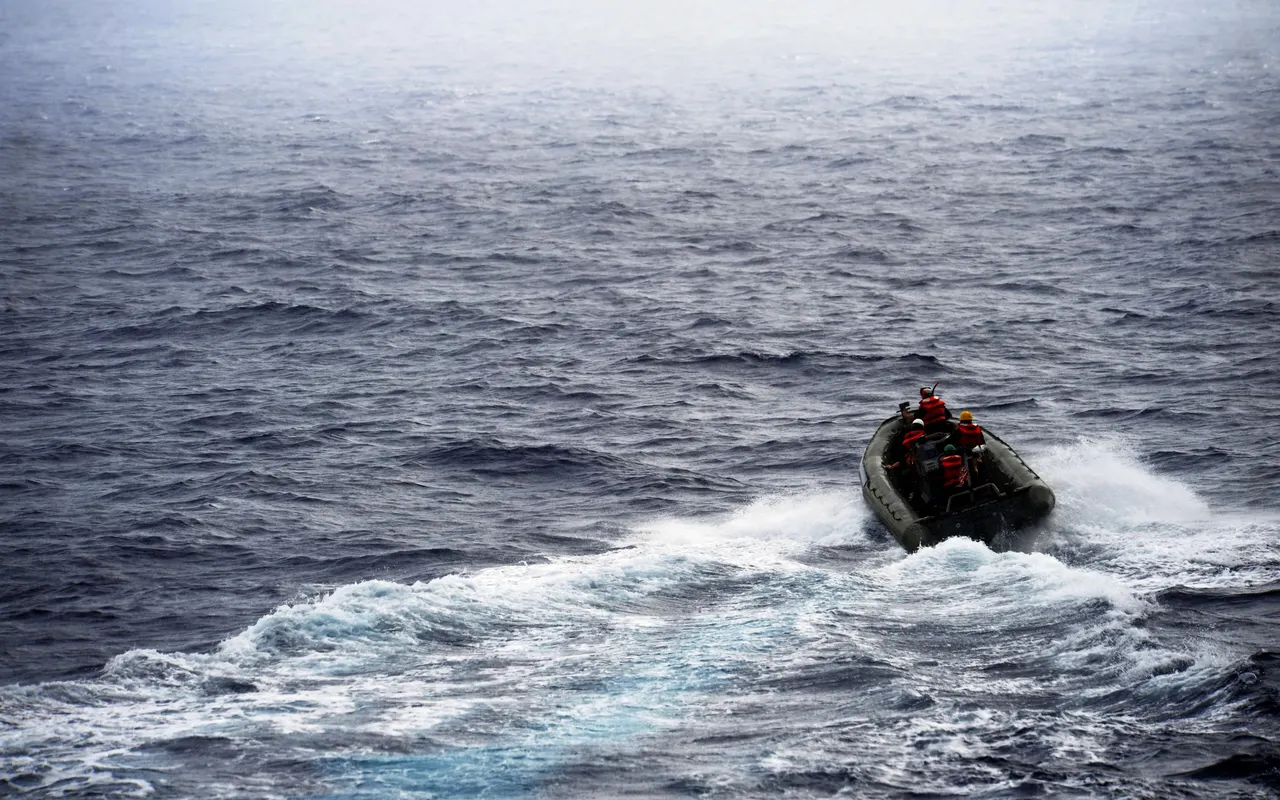
The first 30 seconds
- Shout 'Man overboard!' so everyone knows.
- Throw the lifebuoy, danbuoy and light towards the casualty. They mark the position and give flotation.
- Point: one person does nothing but watch and point at the casualty. In any sea, a head disappears very quickly.
- Press MOB on the GPS or chart plotter to record the position.
- Call for help: DSC distress alert, then a Mayday on channel 16. The coastguard would rather stand down than arrive late.
Getting back to them
Under sail
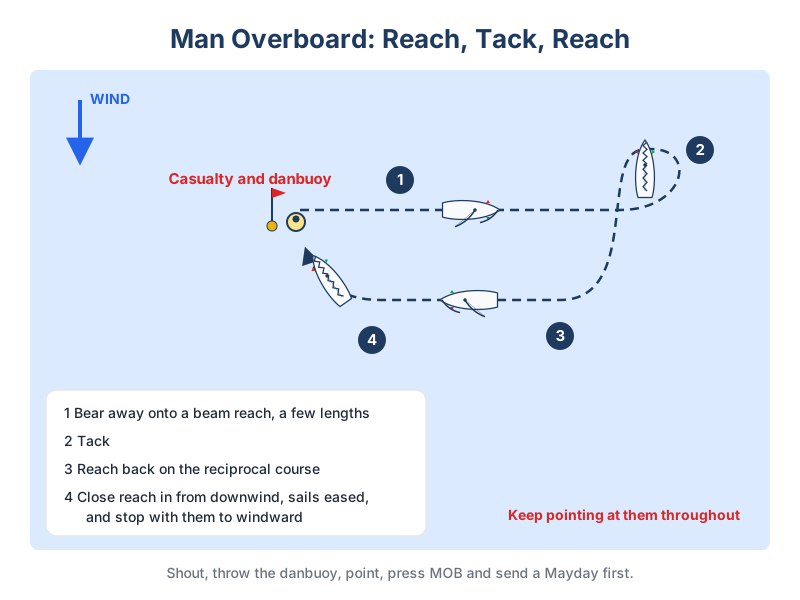
Many instructors teach the 'reach-tack-reach': bear away onto a beam reach for a few boat lengths, tack, sail back on the reciprocal reach, then turn onto a close reach a few lengths downwind of the casualty so you can spill wind and stop with them alongside on the windward side. Heaving-to immediately (the 'quick stop') keeps you close and is often best for short-handed crews.
Under engine
Check for ropes in the water before engaging the engine. Approach slowly, and put the engine in neutral as the casualty comes alongside: a turning propeller near a person is lethal.
Getting them aboard
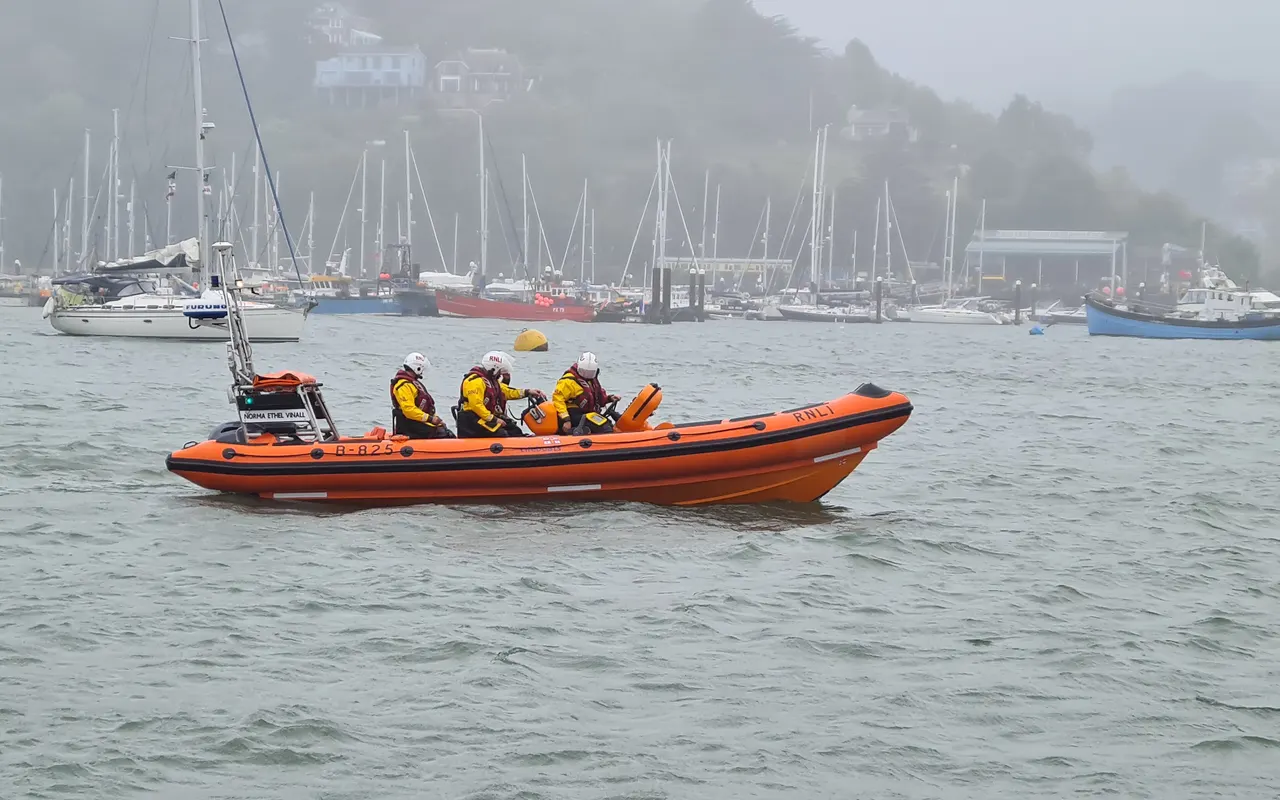
This is often the hardest part. A wet adult in heavy clothing can be impossible to lift by hand. Use a halyard on a winch attached to their lifejacket's lifting becket or a lifting strop, a parbuckle (a sail or net rolled under them), or a commercial rescue sling. After long immersion, lift them as horizontally as possible and treat for hypothermia and cold water shock.
Practise the drill in the man overboard lesson.