Wind
What Does Veering and Backing Mean? Wind Shifts Explained
Published · Last checked October 2026
A veering wind changes direction clockwise, for example from south to southwest to west. A backing wind changes anticlockwise, for example from west to southwest to south. In the UK, a backing wind with falling pressure usually means a depression or warm front is approaching. A sudden veer, often with a squall and rising pressure, usually marks the passage of a cold front.
The definitions
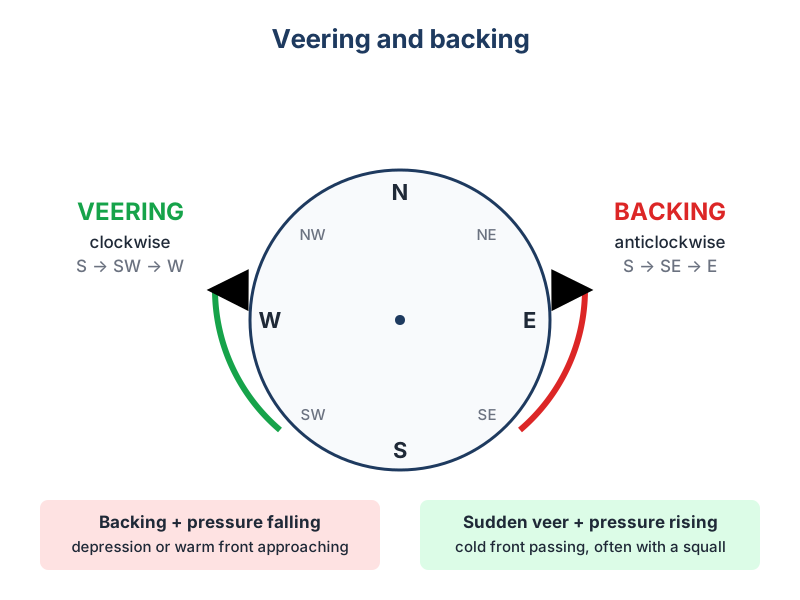
- Veering: the wind direction shifts clockwise. South becomes southwest, then west, then northwest.
- Backing: the wind direction shifts anticlockwise. West becomes southwest, then south, then southeast.
Wind direction is always where the wind is blowing from, so a 'westerly' comes from the west. To check which way it is shifting, picture the compass rose: clockwise round the card is veering, the other way is backing. The terms are the same in both hemispheres. The reading wind direction guide covers how to find the direction in the first place.
What shifts tell you about the weather
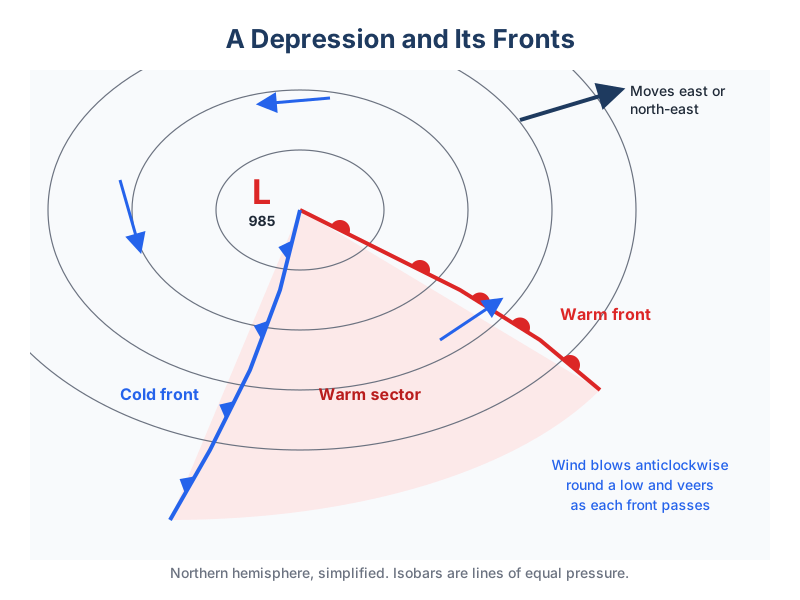
In the northern hemisphere, wind circulates anticlockwise around a low. As a typical Atlantic depression passes to the north of the UK, a fixed observer sees a characteristic sequence.
| Stage | Wind | Pressure |
|---|---|---|
| Ahead of warm front | Southerly, often backing and freshening | Falling steadily |
| Warm front passes | Veers southwest | Fall slows or steadies |
| Warm sector | Steady southwesterly | Steady |
| Cold front passes | Veers sharply west or northwest, gusty | Rises sharply |
| Behind the front | Northwesterly, showers and gusts | Rising |
If the low passes to the south of you instead, the wind tends to back through east and north. That is less common in the UK but often brings cold, raw conditions.
Using veers and backs when sailing
- Passage planning: forecasts often say 'southwest 5, veering northwest 6 later'. Plan so the veer helps rather than heads you.
- Anchoring: an anchorage sheltered from the southwest may become a lee shore after a veer to northwest. Check where the wind will go overnight.
- Upwind tactics: on a beat, tack towards the side you expect the wind to shift to, so the shift lifts you. See lifts and headers.
- Sea breezes usually veer through the afternoon as they strengthen on south-facing UK coasts.
More on how fronts drive these shifts is in weather fronts explained and the weather forecasting lesson.