Buoyage
What Is a Preferred Channel Mark? Modified Lateral Marks
Published · Last checked October 2026
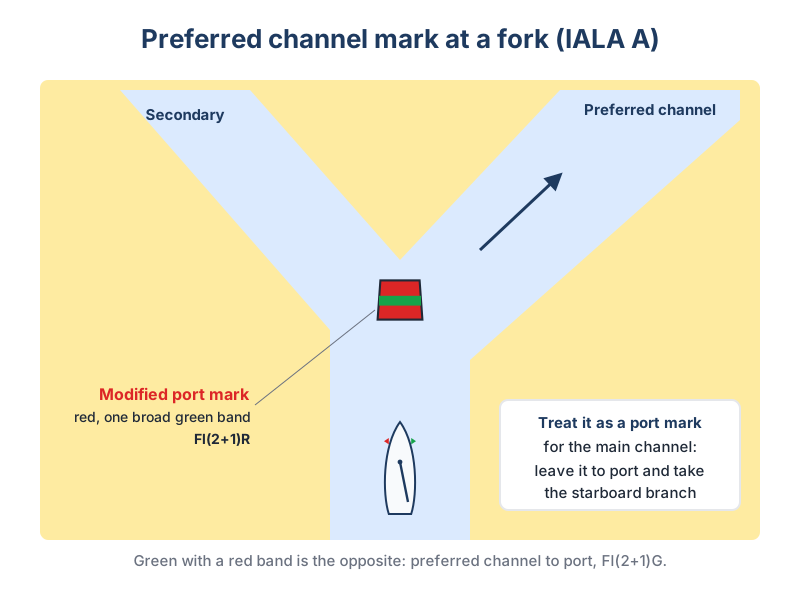
A preferred channel mark is a modified lateral mark placed where a channel divides. It tells you which branch is the main, or preferred, channel. In IALA Region A, a red buoy with one broad green band is a modified port mark: the preferred channel is to starboard. A green buoy with one broad red band is a modified starboard mark: the preferred channel is to port. Lit versions show a composite group flashing Fl(2+1) in red or green.
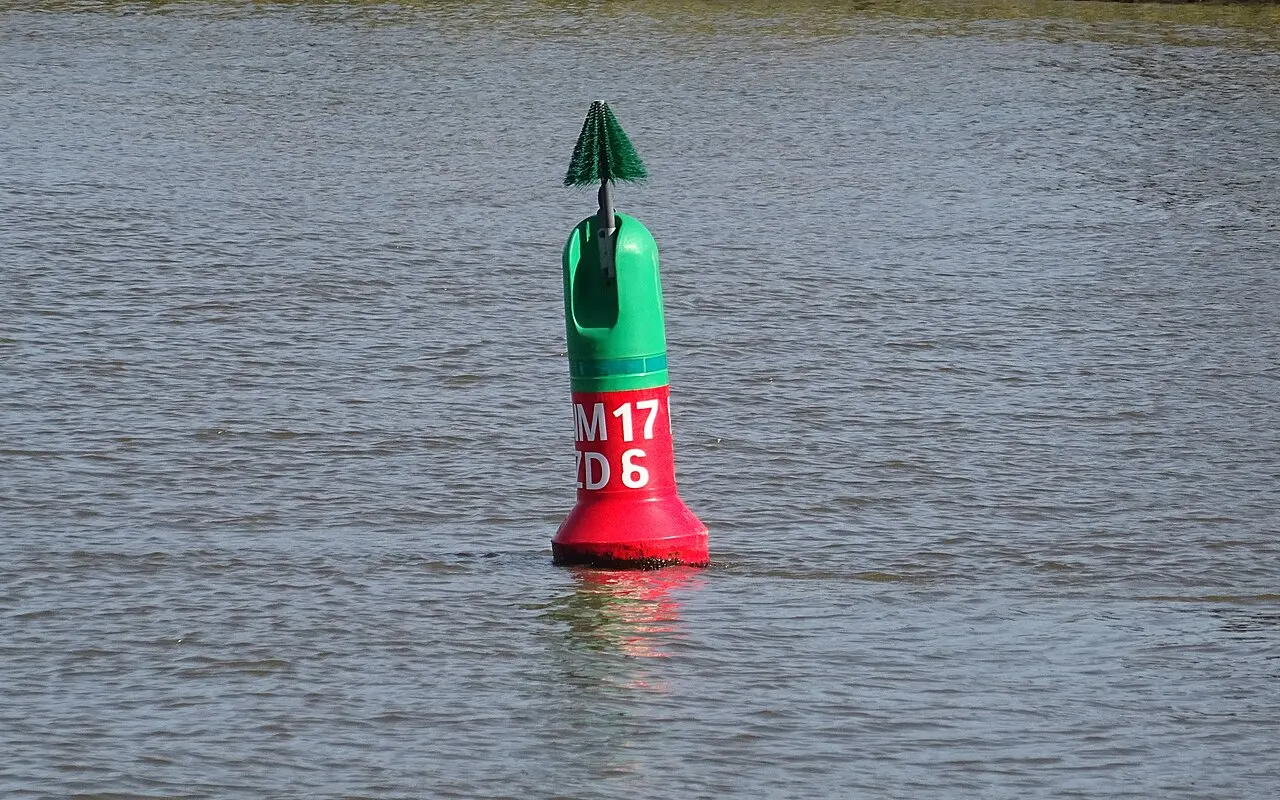
The two types
| Feature | Preferred channel to starboard | Preferred channel to port |
|---|---|---|
| Colour | Red with one broad green band | Green with one broad red band |
| Shape | Can, pillar or spar | Cone, pillar or spar |
| Topmark | Single red can | Single green cone, point up |
| Light | Red, Fl(2+1) | Green, Fl(2+1) |
| Treat as | A port hand mark for the main channel | A starboard hand mark for the main channel |
How to read one
The trick is to ignore the band and look at the main colour and shape. A mostly red can is a port mark for the preferred channel, so if you want the main channel you leave it to port, which puts the main channel on your starboard side. The secondary channel goes off the other way, and you can still use it: you would then treat the buoy as a starboard mark for that channel.
- Check the direction of buoyage on the chart.
- Identify the main colour and shape of the buoy.
- Treat it as that lateral mark if you want the preferred channel.
- If taking the secondary channel, check the chart for the next marks before committing.
Why the light is distinctive
The Fl(2+1) composite group, two flashes, a pause, then one flash, is reserved for preferred channel marks. If you see a red or green light doing this at night, you know you are at a junction, and you should already have decided which branch you want. Read more on rhythms in the light characteristics guide.
Where you meet them
Expect them in estuaries and harbours where a deep-water shipping channel splits from a shallower route used by small craft, or where a river divides around an island or sandbank. Plan the junction in advance in your pilotage plan and revise the whole system in the buoyage and lights lesson.
A worked example
Imagine heading up an estuary with the flood. A buoy ahead is red with a broad green band, with a red can topmark, flashing Fl(2+1) R 10s. The main channel is to starboard of it, so you leave the buoy to port and stay in the deep-water route used by ships. Your plan, though, is to visit a small marina up the secondary branch, which runs to port. In that case you would leave the buoy to starboard and look for the first lateral marks of the secondary channel, which will usually be smaller and may be unlit. Check the depth in that branch against the tidal height at your arrival time, because secondary channels are often shallower.