Ropework
What Is a Bowline Used For? Uses, Strengths and Limits
Published · Last checked October 2026
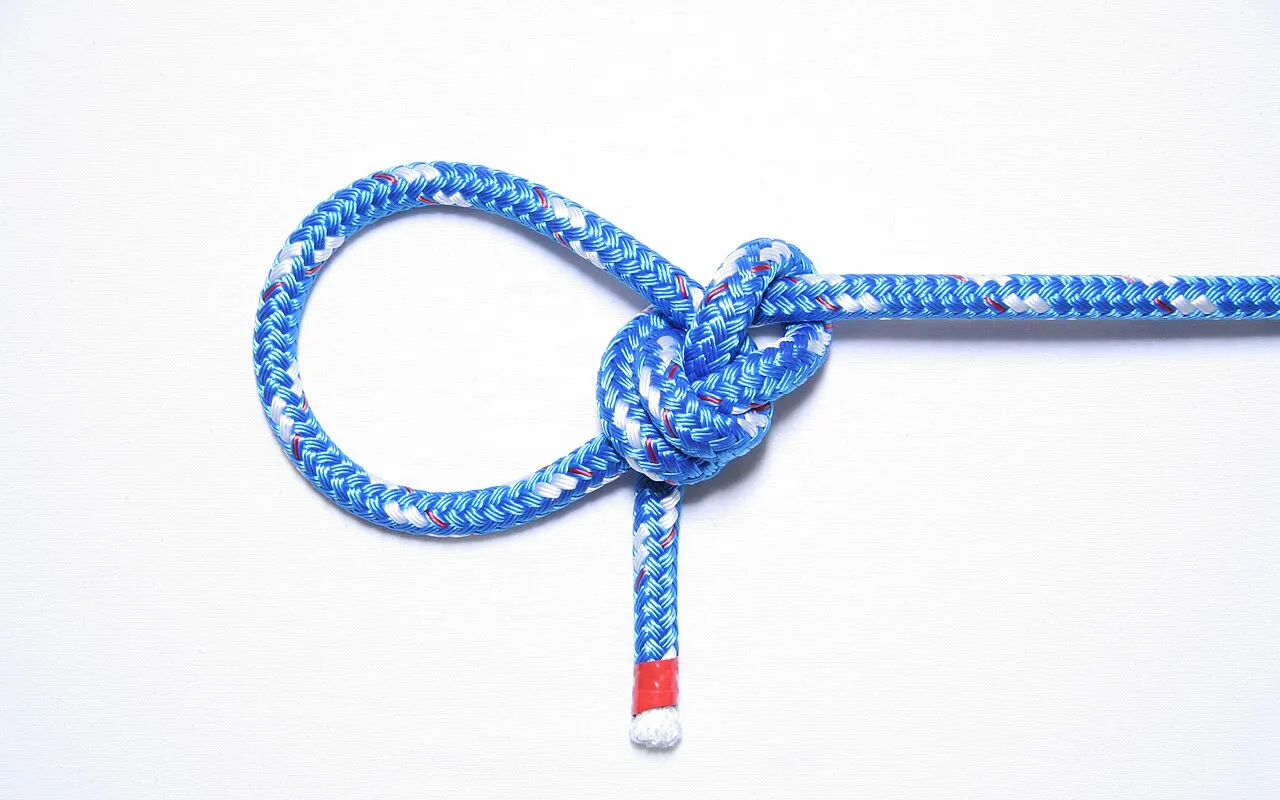
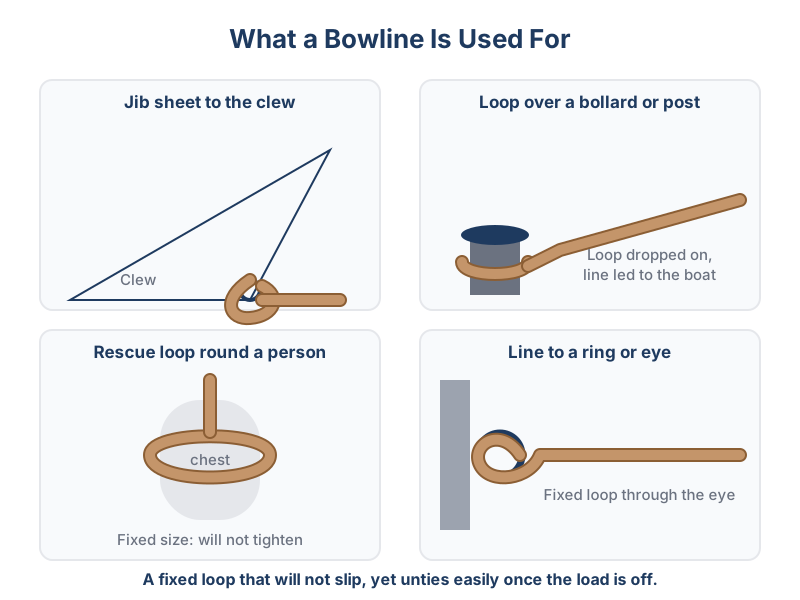
A bowline is used to make a fixed loop in the end of a rope that will not slip or tighten under load. On a sailing boat it ties jib sheets to the clew, puts a loop in a mooring line to drop over a bollard or post, makes a rescue loop around a person, and joins a line to a ring or eye. Its great strength is that it can be untied easily once the load is off, even after heavy strain.
Where you will use a bowline aboard
- Jib and genoa sheets to the clew of the sail. The loop lets the sheet move freely and is easy to undo when you change sails.
- Mooring lines: a loop in the end of a bow or stern line to drop over a bollard, cleat or pile on the pontoon.
- Rescue loop: tied around a casualty's chest, under the arms, to help lift them back aboard or hold them alongside.
- Attaching a line to a ring, eye or shackle, such as a tender's painter or a halyard to a bosun's chair (with a backup).
- Joining two ropes: two interlocking bowlines make a reliable bend for long or heavy lines, such as a tow.
Why sailors like it
The bowline is quick to tie, uses little rope, keeps most of the rope's strength and does not jam. After a night on a heavily loaded mooring line you can still 'break its back' by pushing the collar forward and the knot falls open. That is why it is often called the king of knots.
How to tie a bowline
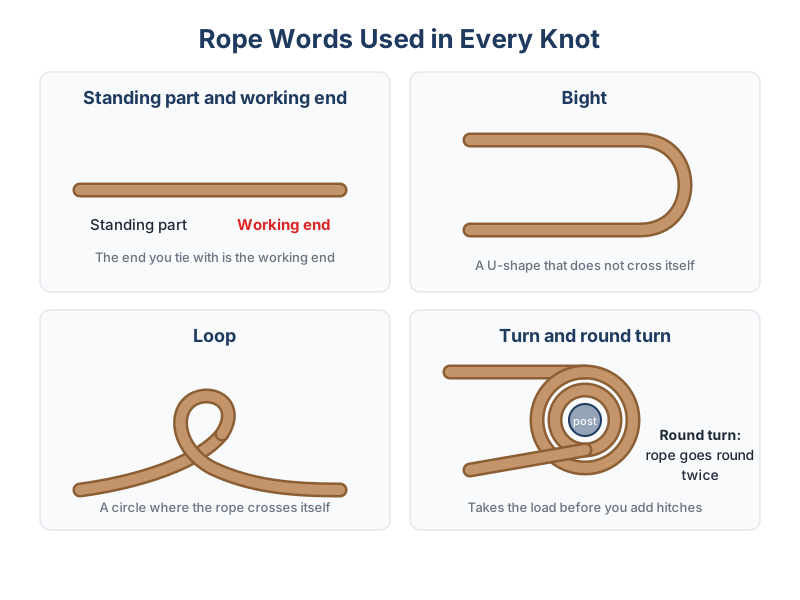
- Make a small overhand loop in the standing part, with the working end side lying on top.
- Pass the working end up through the small loop from underneath (the rabbit comes out of the hole).
- Take it around behind the standing part (round the tree).
- Bring it back down through the small loop (back down the hole).
- Hold the working end and the side of the big loop together and pull the standing part to set the knot.
Leave a tail at least ten or twelve times the rope's diameter. A short tail is the most common reason a bowline works loose.
Limits and when to use something else
| Problem | Why | Better choice |
|---|---|---|
| Cannot be untied under load | It must be slack to break open | Round turn and two half hitches |
| Can shake loose when unloaded | Stiff or slippery rope, flogging sails | Add a stopper or tuck the tail |
| Loop pulled sideways (ring-loaded) | The knot can capsize | Figure of eight loop for climbing-style loads |
| Need a loop in the middle of a rope | Bowline needs an end | Alpine butterfly or bowline on the bight |
Bowline variations worth knowing
A bowline on the bight makes a double loop in the middle of a rope, useful as an improvised seat or for lifting someone when the end is not free. A running bowline is a bowline tied around its own standing part so it forms a noose; it is handy for retrieving a line or object that has gone over the side. A Yosemite finish, where the tail is wrapped round and tucked back up through the knot, makes the loop far more secure in slippery modern rope. On the RYA practical courses you are expected to tie a standard bowline quickly and confidently; the variations are useful extras once that is second nature.
See it next to the other key knots in essential sailing knots and practise in the knots and ropework lesson.