Ropework
8 Essential Sailing Knots Every Sailor Should Know
Published · Last checked October 2026
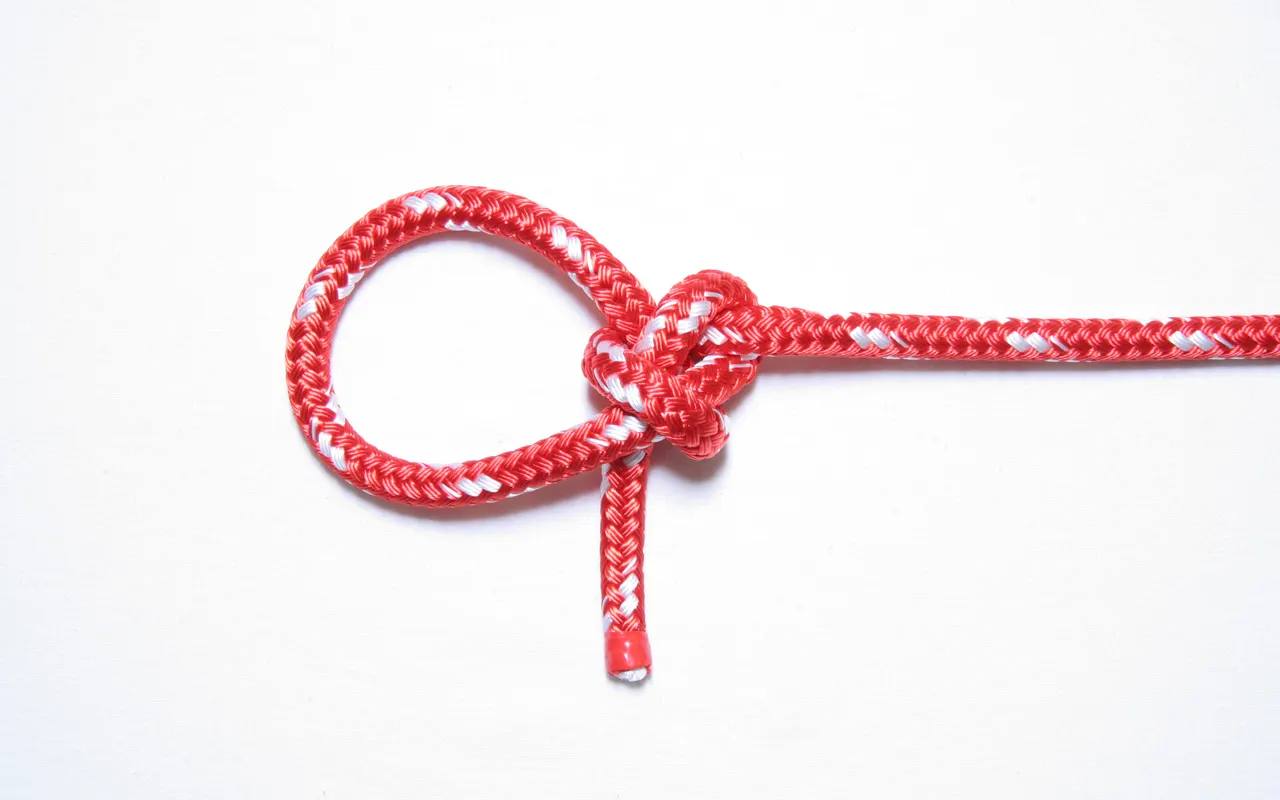
The eight knots every sailor uses are the bowline (a fixed loop), round turn and two half hitches (tying to a ring or post under load), clove hitch (fenders), figure of eight (stopper knot), reef knot (reefing and bundling), sheet bend (joining two ropes), rolling hitch (taking the strain off a jammed line) and the cleat hitch (making fast to a cleat).
| Knot | Use | Watch out for |
|---|---|---|
| Bowline | Fixed loop: sheets to a clew, mooring loops | Can't be untied under load |
| Round turn and two half hitches | Mooring to a ring or post; can be cast off under load | Take the turn first to hold the load |
| Clove hitch | Fenders to a guardrail | Can slip on a smooth rail; add a half hitch |
| Figure of eight | Stopper knot at the end of sheets | Easy to check visually |
| Reef knot | Tying reef points, bundling sails | Not for joining ropes under load |
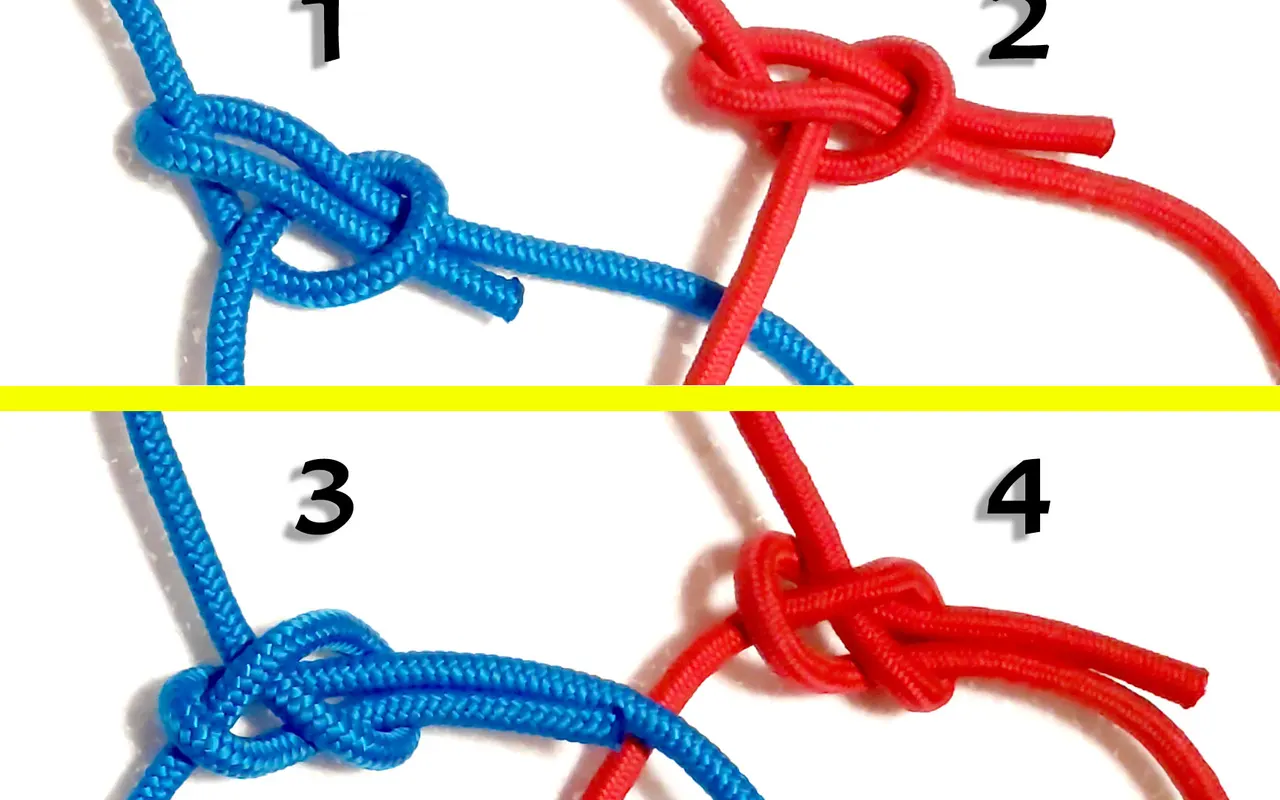
| Sheet bend | Joining two ropes, especially of different thickness | Double it for very different sizes |
| Rolling hitch | Taking the load off a riding turn on a winch | Pull along the direction of the turns |
| Cleat hitch | Making a line fast to a cleat | A round turn, figure of eights, then a locking hitch |
How to practise
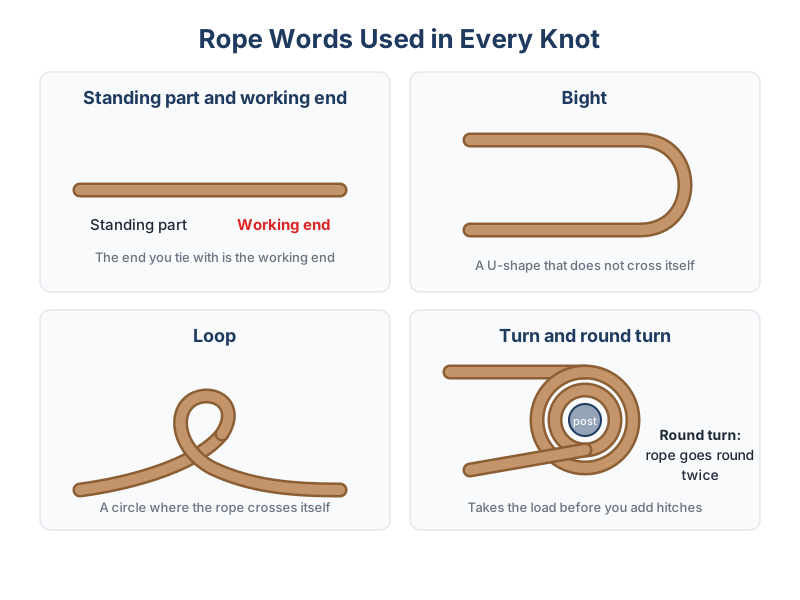
Learn each knot until you can tie it with your eyes closed, then tie it around your own waist (bowline), behind your back and on a moving boat. Knots you have to think about will fail you in the dark.
Watch each one tied step by step in the animated knot guide, then work through the knots and ropework lesson.
How to tie each knot
- How to Tie a Bowline Knot
- How to Tie a Figure Eight Stopper Knot
- How to Tie a Clove Hitch
- How to Tie a Sheet Bend
- How to Tie a Rolling Hitch
- How to Tie a Reef Knot
- How to Tie a Round Turn and Two Half Hitches
- How to Tie a Cleat Hitch
Related guides
Frequently asked questions
What is the most important sailing knot?
The bowline. It forms a loop that will not slip or jam, and it is used everywhere aboard, from tying sheets to the clew to mooring lines and rescue loops.
Is a reef knot safe for joining two ropes?
No. It can capsize and slip under load, especially with ropes of different sizes. Use a sheet bend.