Buoyage
Cardinal Marks Explained — Topmarks, Colours and Lights
Published · Last checked October 2026
A cardinal mark tells you where the safe water is: pass a north cardinal to its north, an east cardinal to its east, and so on. The two black cones point to where the black is on the mark: both up for north, both down for south, base to base for east and point to point for west. Their white lights flash quickly in groups that follow a clock face: continuous for north, 3 for east, 6 plus a long flash for south and 9 for west.
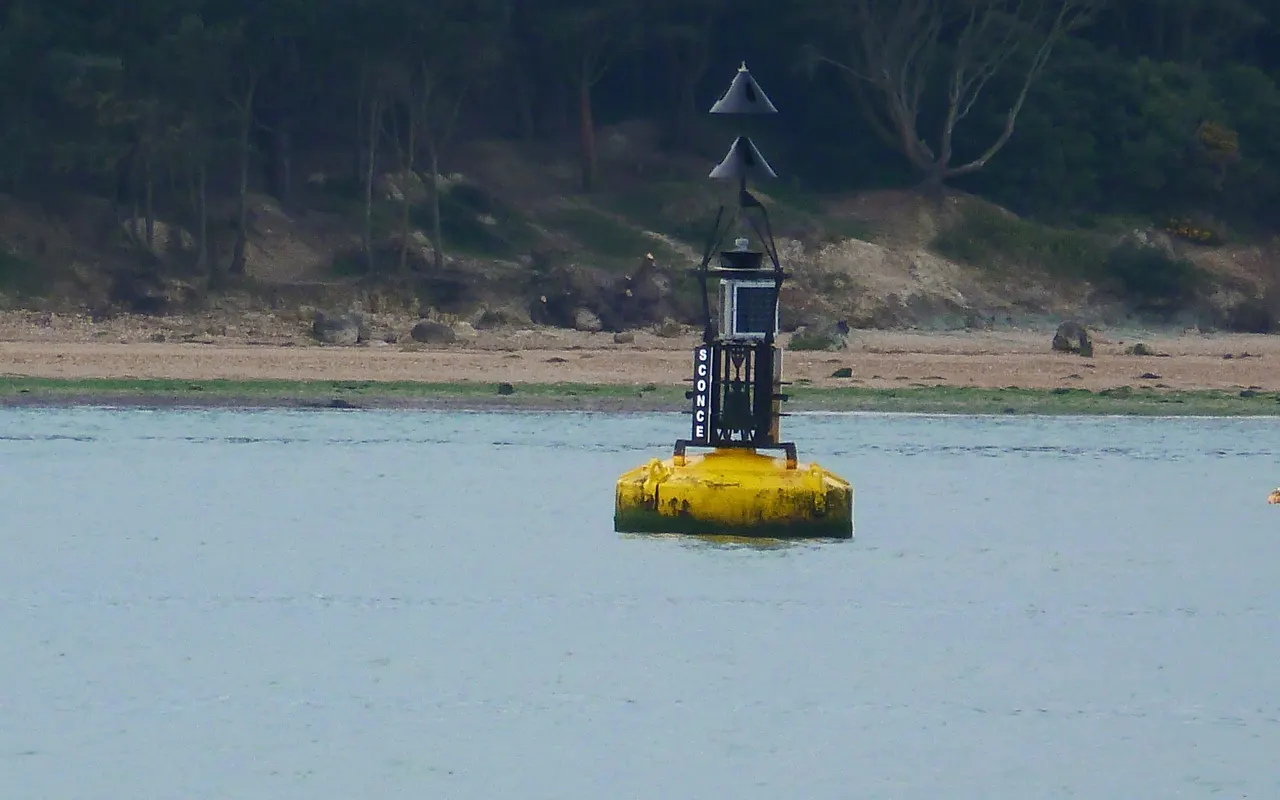
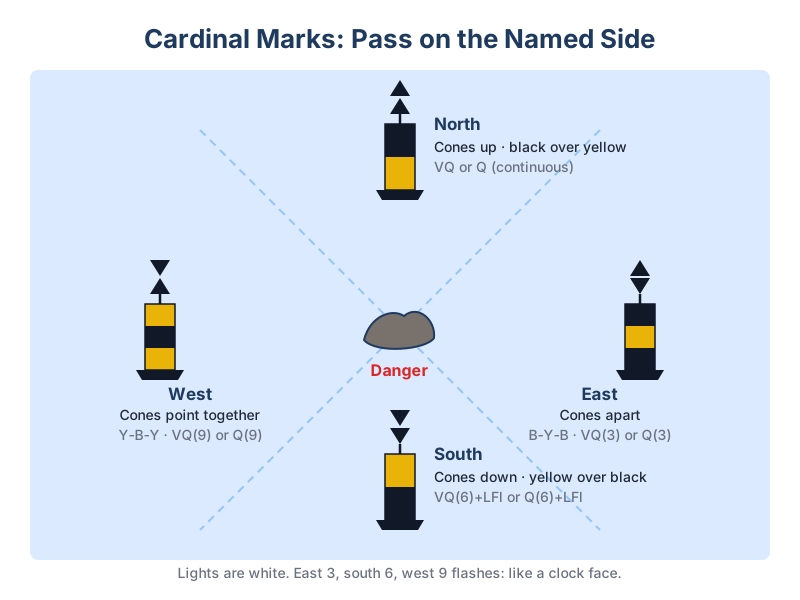
| Mark | Topmark | Colours | Light |
|---|---|---|---|
| North | Both cones point up | Black over yellow | VQ or Q, continuous |
| East | Cones base to base | Black, yellow band, black | VQ(3) 5s or Q(3) 10s |
| South | Both cones point down | Yellow over black | VQ(6)+LFl 10s or Q(6)+LFl 15s |
| West | Cones point to point | Yellow, black band, yellow | VQ(9) 10s or Q(9) 15s |
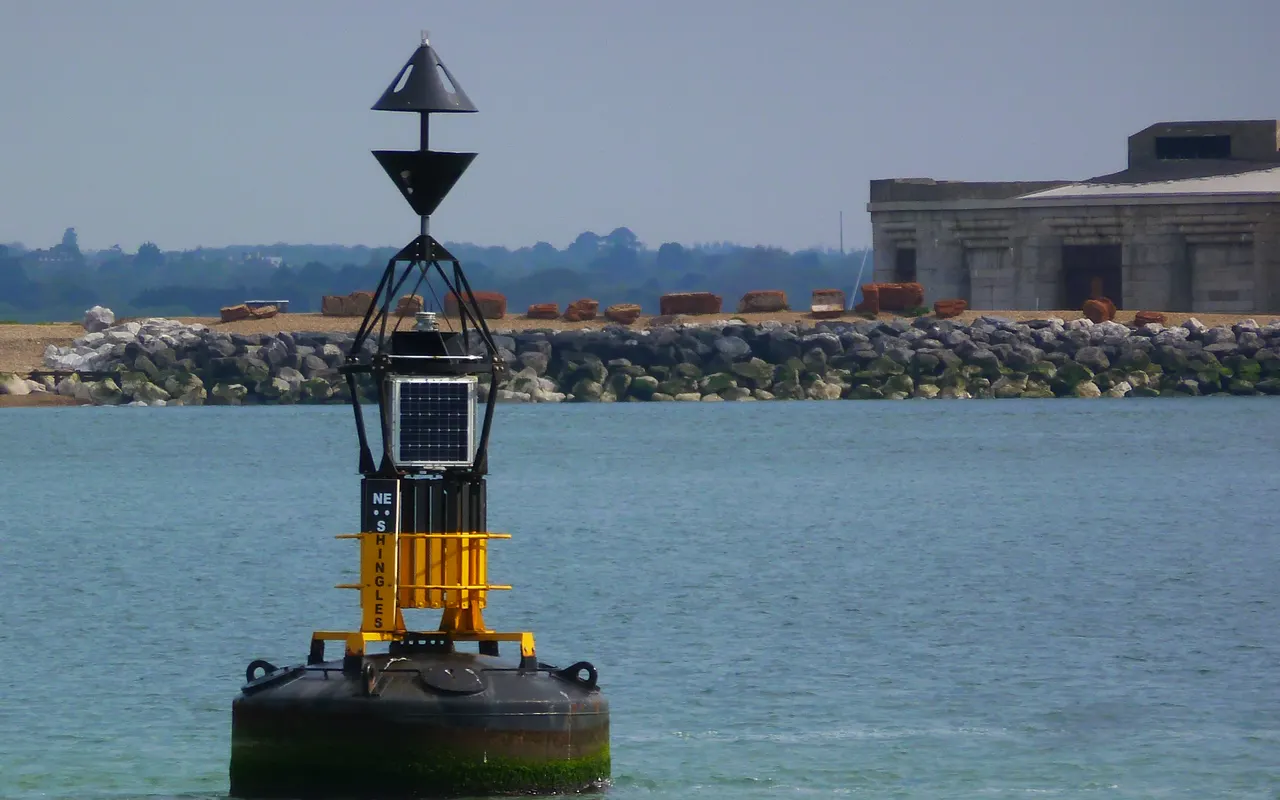
Memory aids
- The cones point to the black bands.
- East cones are base to base, like an egg (E for egg). West cones are point to point, like a wine glass or a narrow waist (W).
- Lights follow a clock: 3 o'clock east, 6 south, 9 west, 12 (continuous) north. The long flash on the south mark stops 6 being confused with 3 or 9.

Using them
A cardinal mark is placed relative to a danger, not relative to a channel. A south cardinal south of a shoal means pass south of the mark. They are also used to show the safe side of a bend or a fork in a channel.
Practise reading them by day and by their lights in the buoyage trainer.