Guides
Sailing guides
153 straight answers to the questions sailors ask most, from reading a tide table to making a Mayday call. Each guide links to the lessons and tools that go deeper. learntosail is unofficial and not affiliated with the RYA. Last checked October 2026.
Courses & qualifications
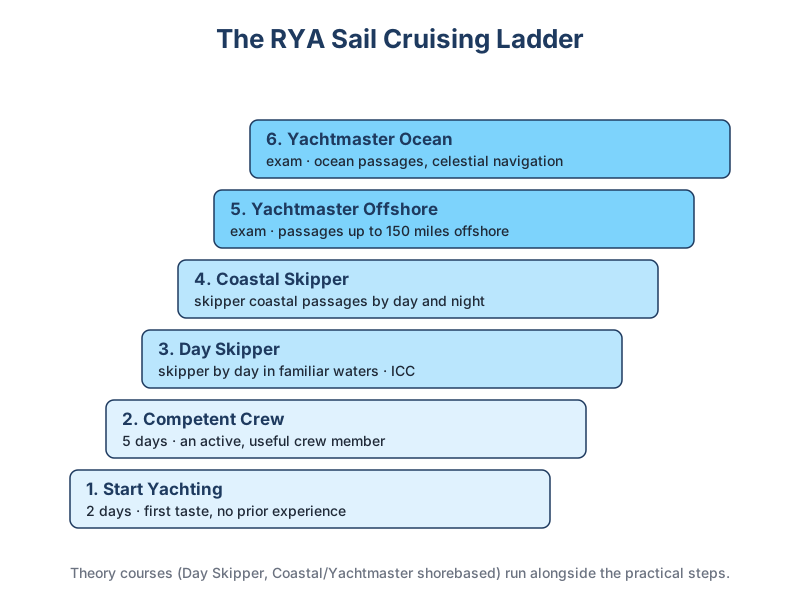
Day Skipper vs Competent Crew — Which Course?
Compare RYA Competent Crew and Day Skipper: who each is for, course length, prerequisites, sea time and what you can do afterwards, with RYA sources.
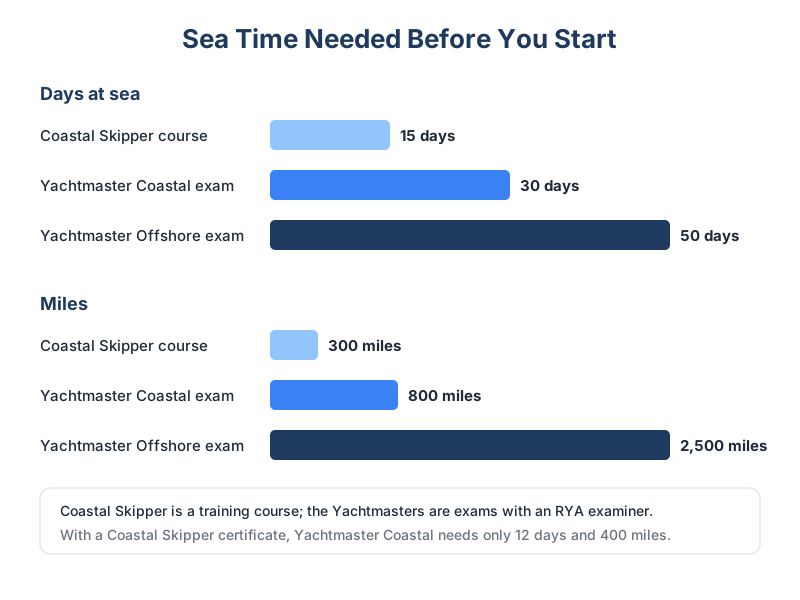
How Long Does Yachtmaster Take? Full Timeline
How long it takes to become an RYA Yachtmaster: sea time, miles and exam lengths for Coastal, Offshore and Ocean, fast-track timelines and endorsement.
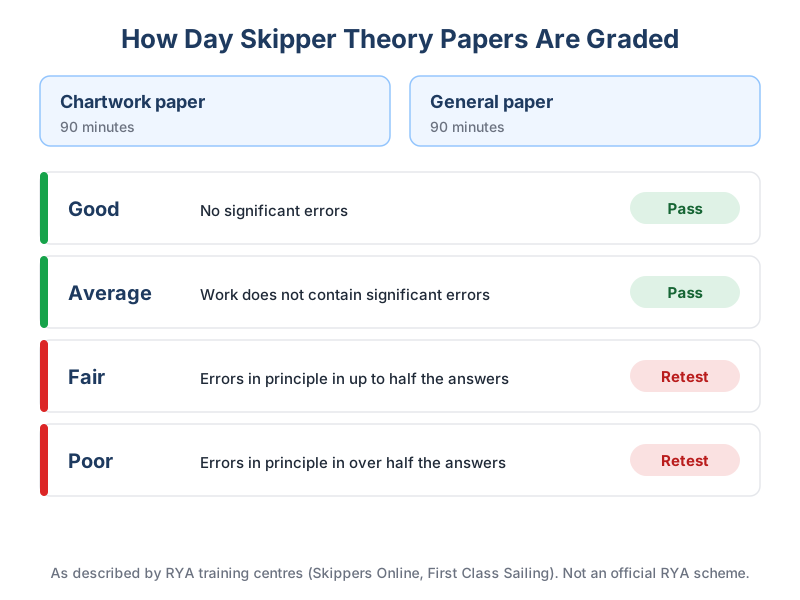
RYA Theory Exam Pass Mark — How It's Graded
Is there a pass mark for RYA Day Skipper and Yachtmaster theory exams? How papers are graded, what training centres publish and how resits work.
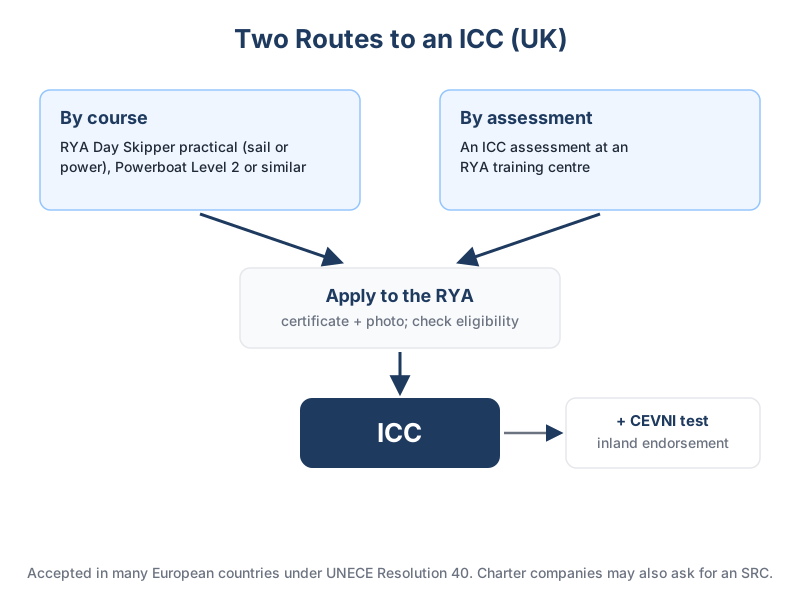
The ICC (International Certificate of Competence) Explained
What the ICC is, who needs one for chartering and cruising abroad, how UK sailors get it through the RYA (course or assessment), the CEVNI endorsement and renewal.
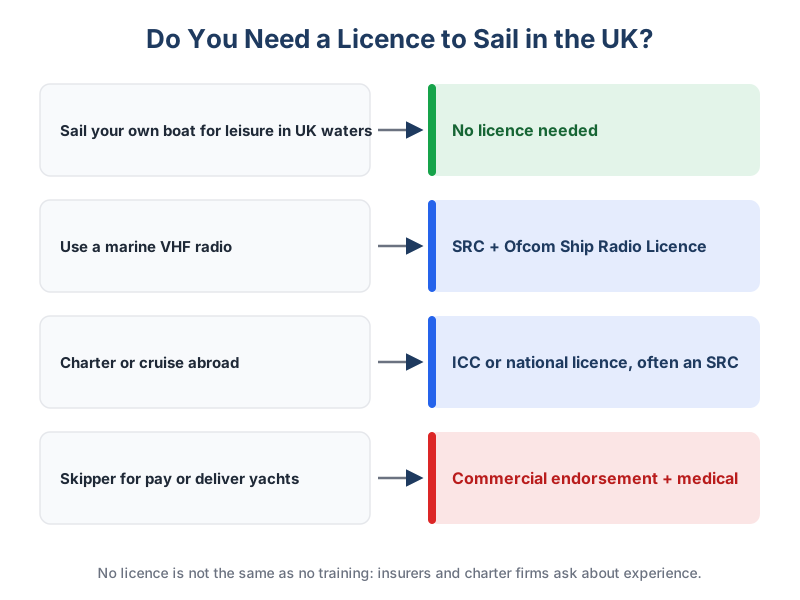
Do You Need a Licence to Sail a Yacht in the UK?
Whether you need a licence to sail a boat in the UK: no licence for private leisure sailing, but VHF licences, commercial endorsements and qualifications abroad.
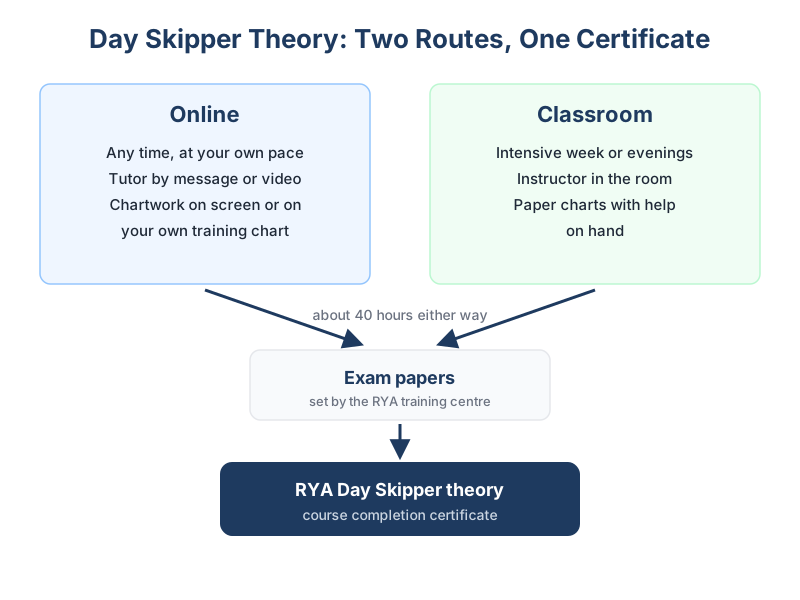
Day Skipper Theory: Online vs Classroom — Which Is Better?
Compare learning RYA Day Skipper theory online or in a classroom: time, flexibility, support, chartwork practice and exams, and how to prepare either way.
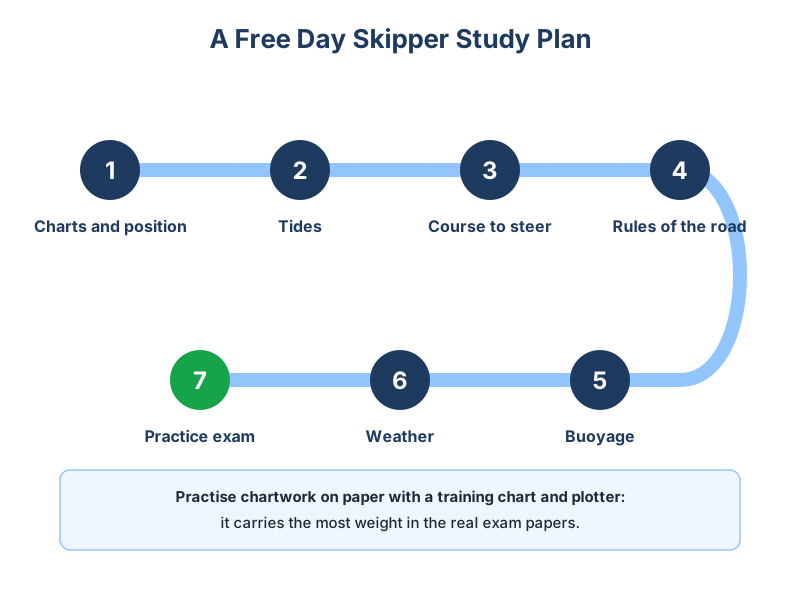
Day Skipper Theory Online for Free — What You Can Get for £0
Can you do RYA Day Skipper theory online for free? What free study covers, why the certificate needs a training centre, and a study plan.
Coastal Skipper vs Yachtmaster Offshore: The Differences
RYA Coastal Skipper vs Yachtmaster Offshore compared: course vs exam, sea time, miles, who assesses you, commercial endorsement, and which to aim for.
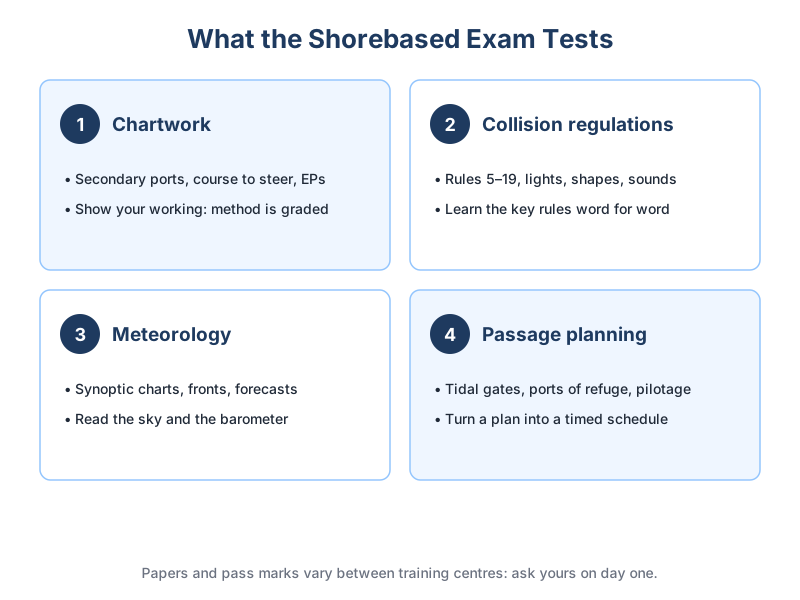
How to Pass the Yachtmaster Shorebased Exam: Tips
How to pass the RYA Coastal Skipper/Yachtmaster Offshore shorebased (theory) exam: the papers, how they are marked, open-book rules, resits and a revision plan.
Sailing Qualifications Explained (UK RYA)
UK sailing qualifications explained: the RYA ladder from Start Yachting to Yachtmaster, what Day Skipper lets you do, if it expires, and what you need to charter.
Navigation & tides
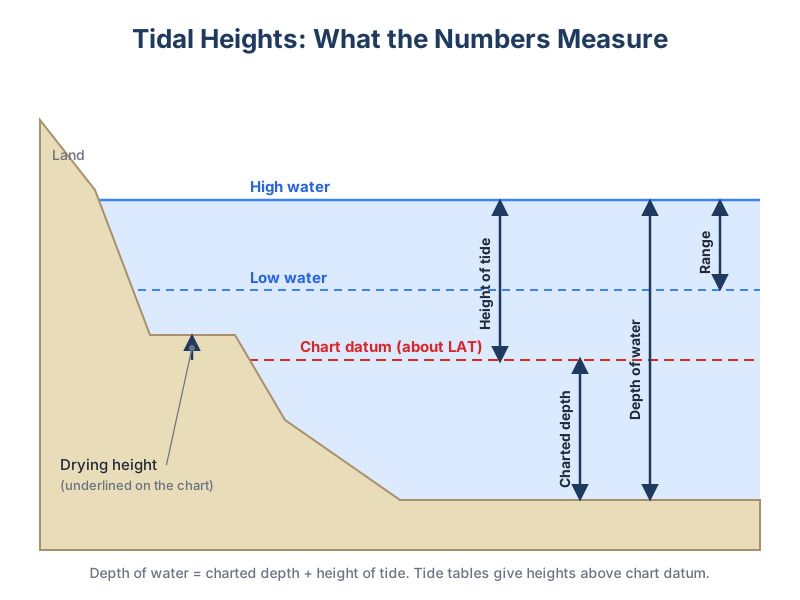
How to Read a Tide Table — A Sailor's Step-by-Step Guide
Learn to read a tide table: high and low water times, heights above chart datum, time zones, range, springs and neaps, and how to turn it into depth of water.
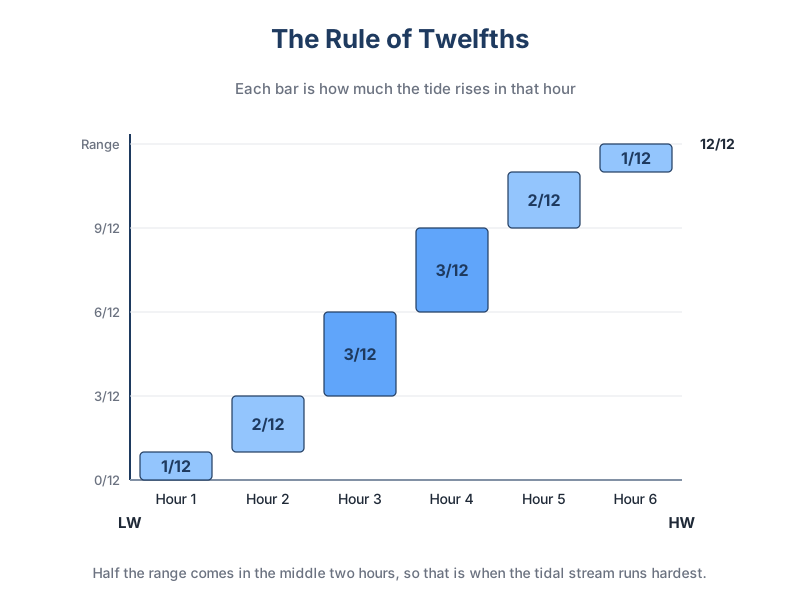
Rule of Twelfths Explained (with Worked Examples)
The rule of twelfths estimates the height of tide at any hour: 1, 2, 3, 3, 2, 1 twelfths of the range. Worked examples, when it works and when it doesn't.
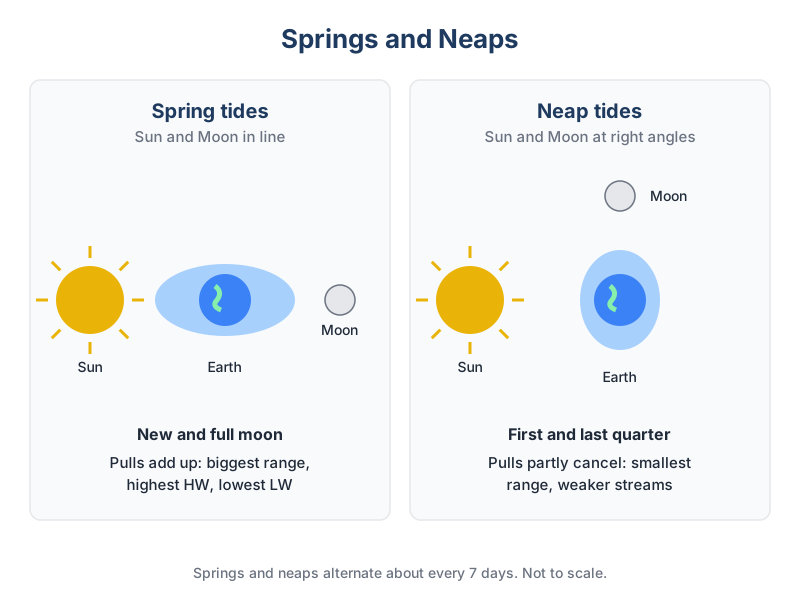
Spring and Neap Tides Explained for Sailors
What spring and neap tides are, why they happen, when they occur in the lunar cycle and how they change tidal heights and streams for your passage.
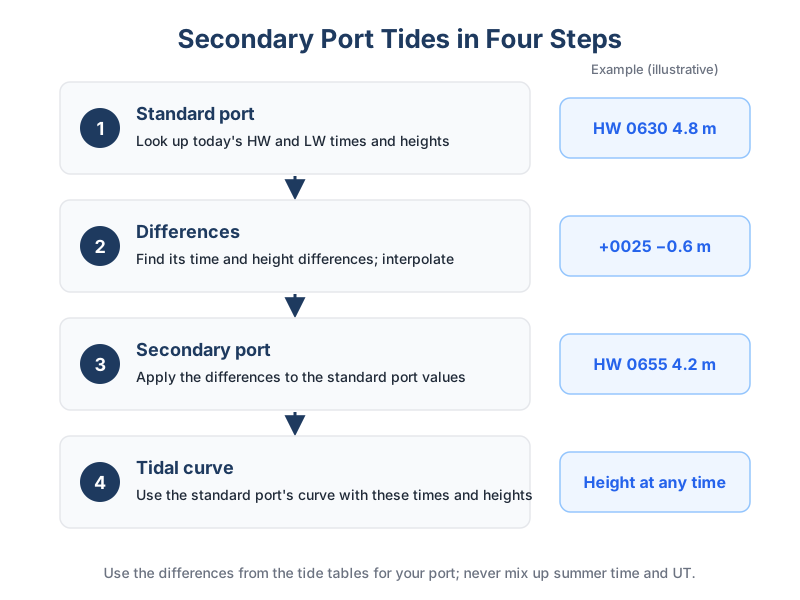
Secondary Port Tidal Calculations — How to Work Them Out
How to work out high and low water times and heights at a secondary port using standard port tables, time differences and height differences.
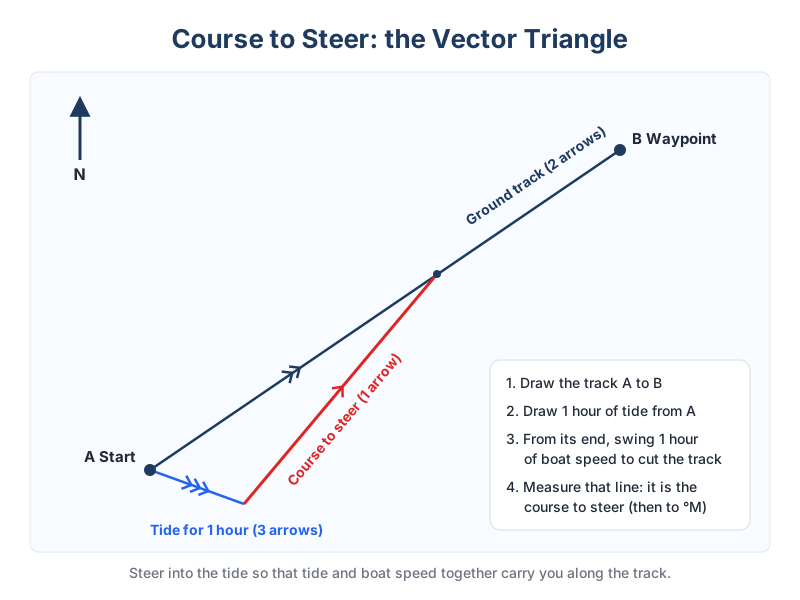
How to Work Out a Course to Steer (CTS) Allowing for Tide
Step-by-step course to steer: draw the ground track, lay off the tidal stream, swing your boat speed, then correct for leeway and variation. With a worked example.
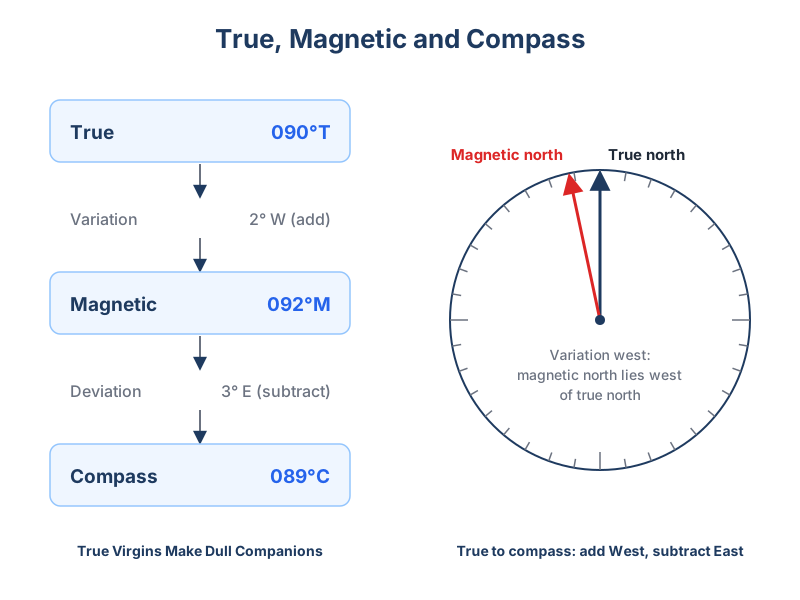
Magnetic Variation and Deviation Explained (True to Compass)
The difference between variation and deviation, how to convert true to magnetic to compass bearings, and memory aids like CADET and 'variation west, magnetic best'.
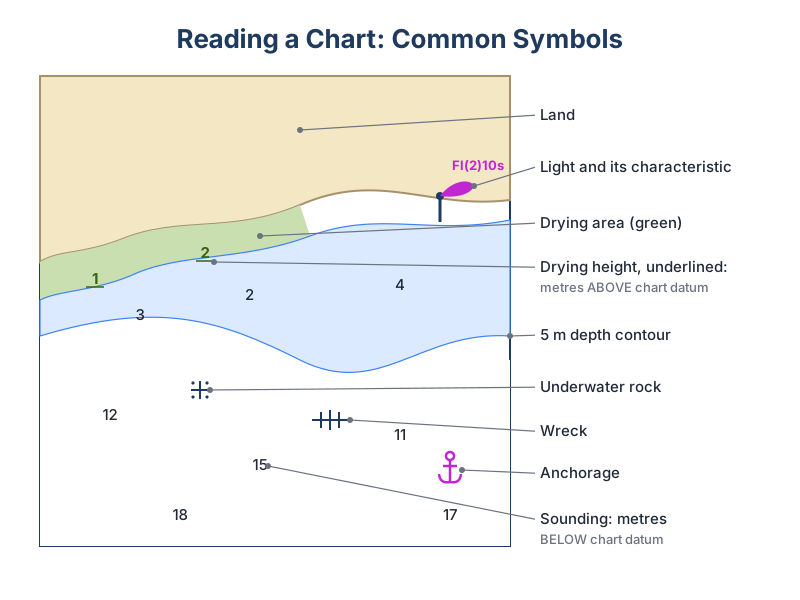
How to Read a Nautical Chart — A Beginner's Guide
How to read a nautical chart: depths and chart datum, colours, latitude and longitude, measuring distance, compass roses, symbols, lights and dangers.
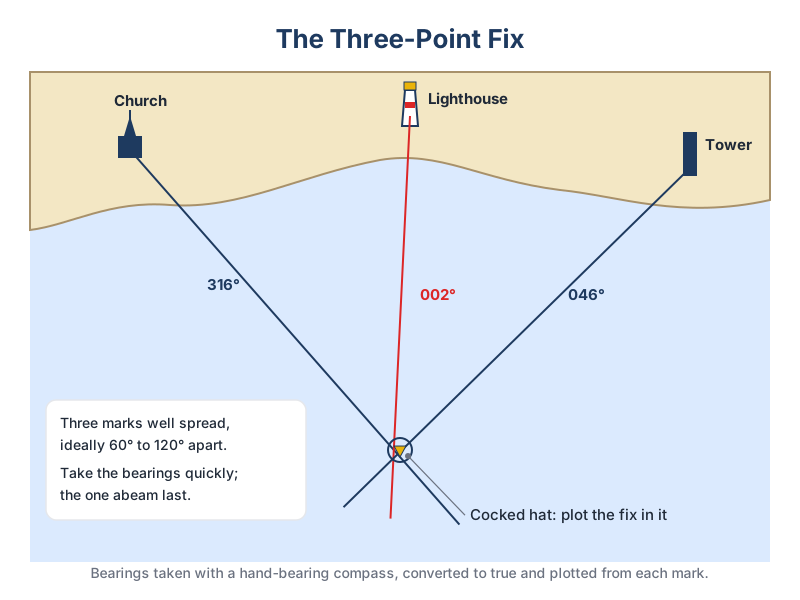
How to Take a Three-Point Fix (Compass Bearing Fix)
How to fix your position with three compass bearings: choosing marks, the order to take them, plotting, the cocked hat and what to do when it is large.
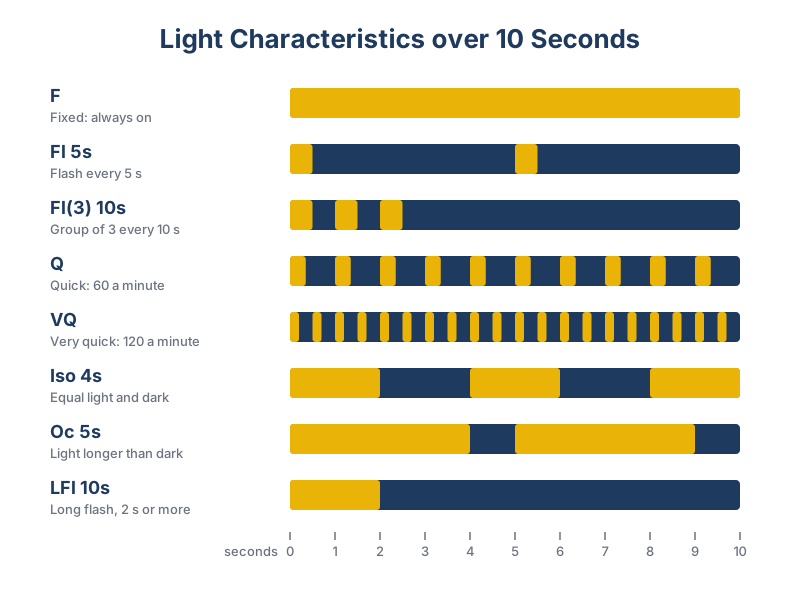
Light Characteristics on Charts — Fl, Oc, Iso, Q Explained
How to read lighthouse and buoy light characteristics on a chart: flashing, occulting, isophase, quick, group flashing, period, colour, height and range.
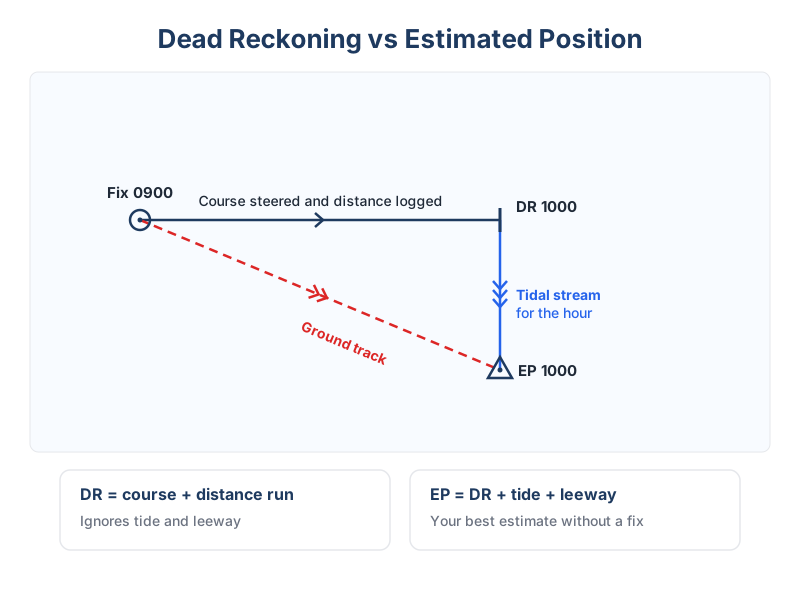
Dead Reckoning vs Estimated Position: The Difference
Dead reckoning uses course and distance through the water; an estimated position also allows for tidal stream and leeway. How to plot both, with chart symbols.
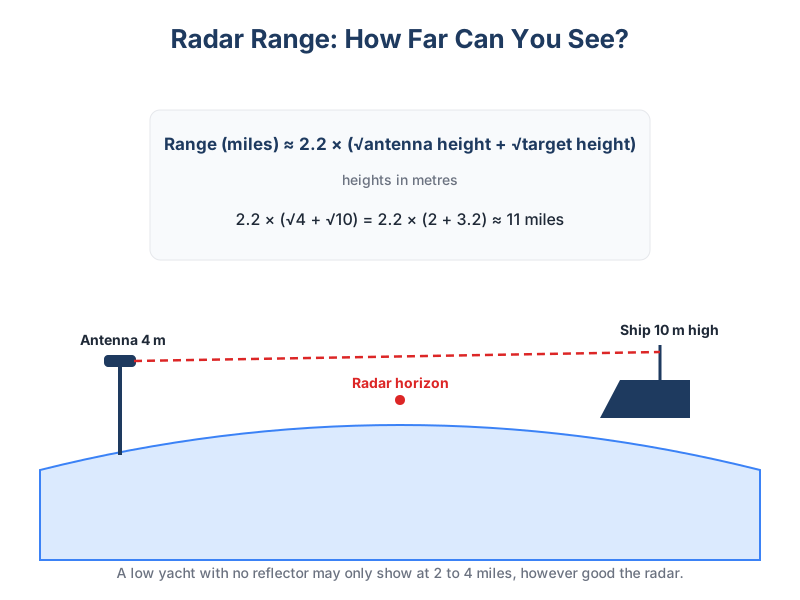
How to Use Radar on a Boat: Beginner's Guide
How to use radar on a boat: set gain, tune and clutter, measure range and bearing with the VRM and EBL, choose head-up or north-up, and spot collision risk.
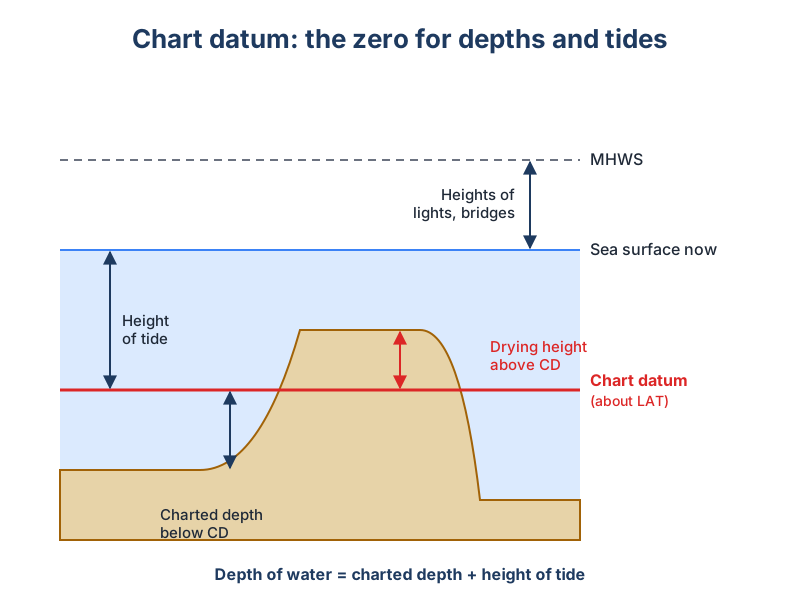
What Is Chart Datum? The Reference Level Explained
Chart datum is the level all charted depths and tide heights are measured from. Learn what it is, why it is set near LAT, and how to use it to work out real depth.
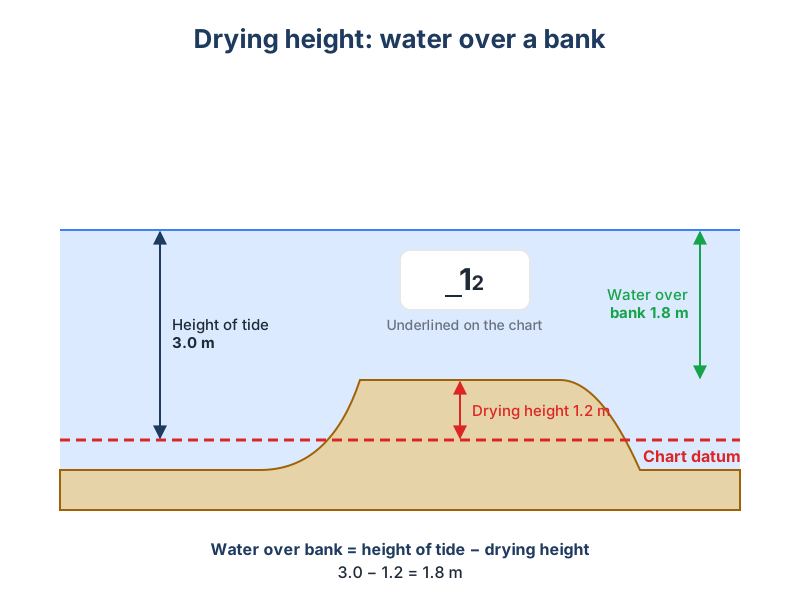
What Is Drying Height on a Chart? How to Read It
A drying height is the height of seabed above chart datum that uncovers at low tide. Learn how it is shown on charts and how to work out the depth over it.
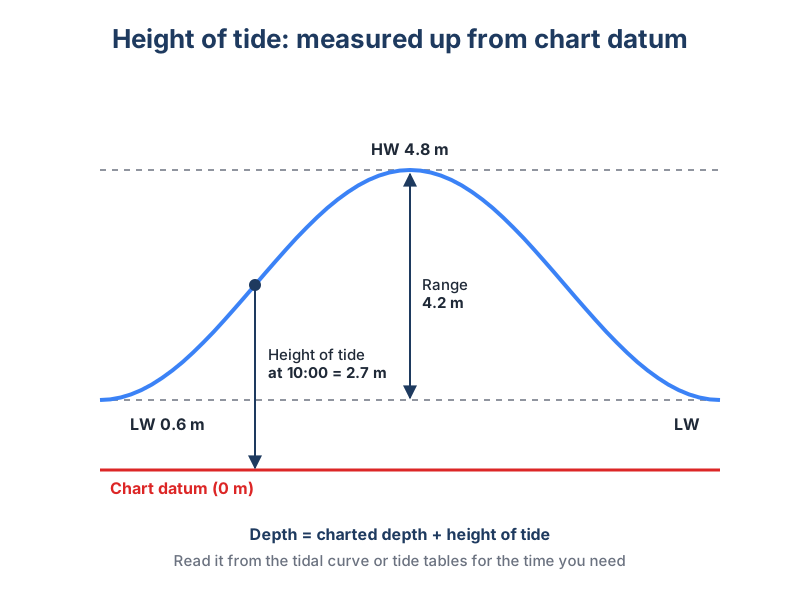
What Is Height of Tide? Meaning and How to Find It
Height of tide is the height of the sea surface above chart datum at a given time. Learn how it differs from depth and range and how to find it from tide tables.
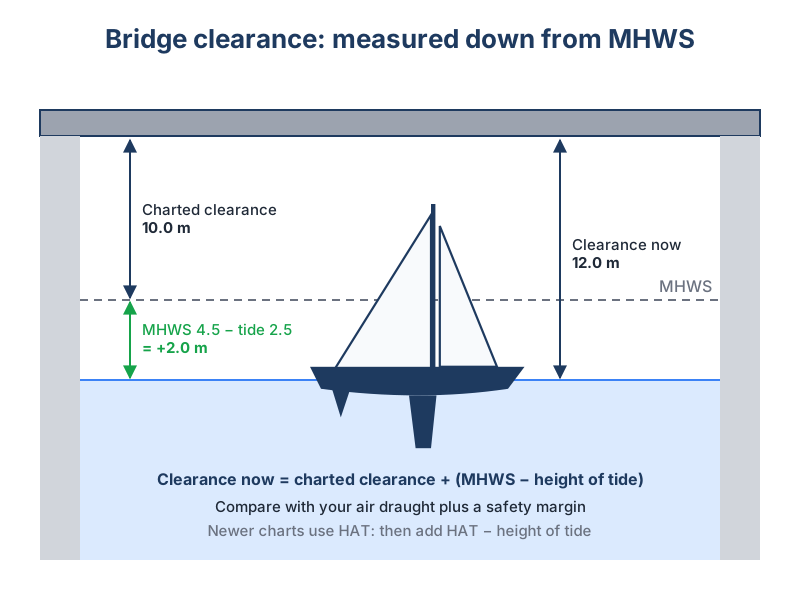
How to Calculate Clearance Under a Bridge When Sailing
How to work out whether your mast will fit under a bridge or power line: charted clearance, height of tide, HAT or MHWS reference and a sensible safety margin.
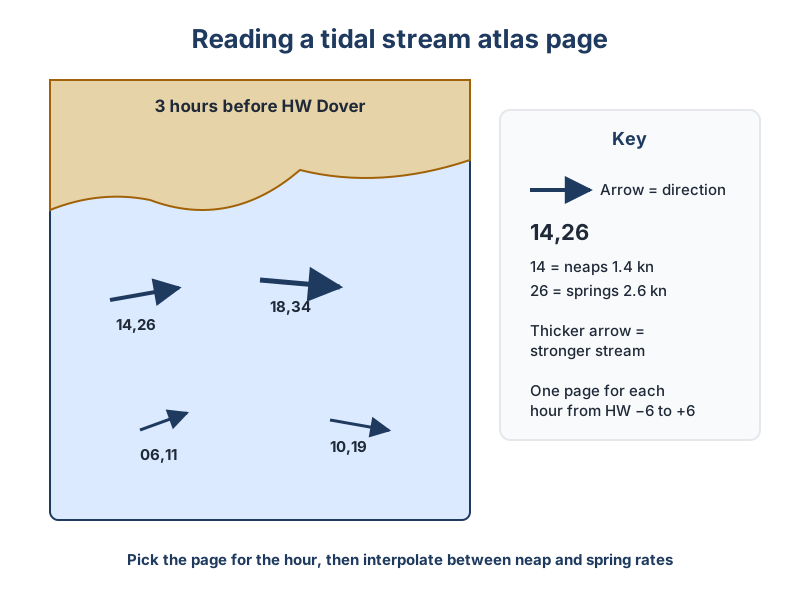
What Is a Tidal Stream Atlas and How Do You Use It?
A tidal stream atlas shows hourly arrows of tidal direction and rate relative to high water. Learn how to read one, interpolate rates and use it to plan passages.
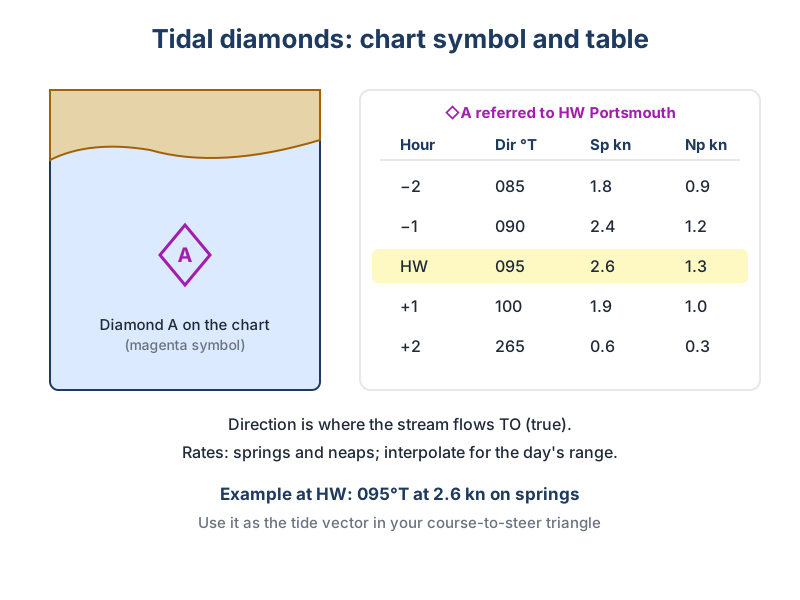
Tidal Diamonds Explained: How to Read Them on a Chart
Tidal diamonds are lettered magenta symbols linked to a chart table of stream direction and rate each hour. Learn how to read them and work out set and drift.
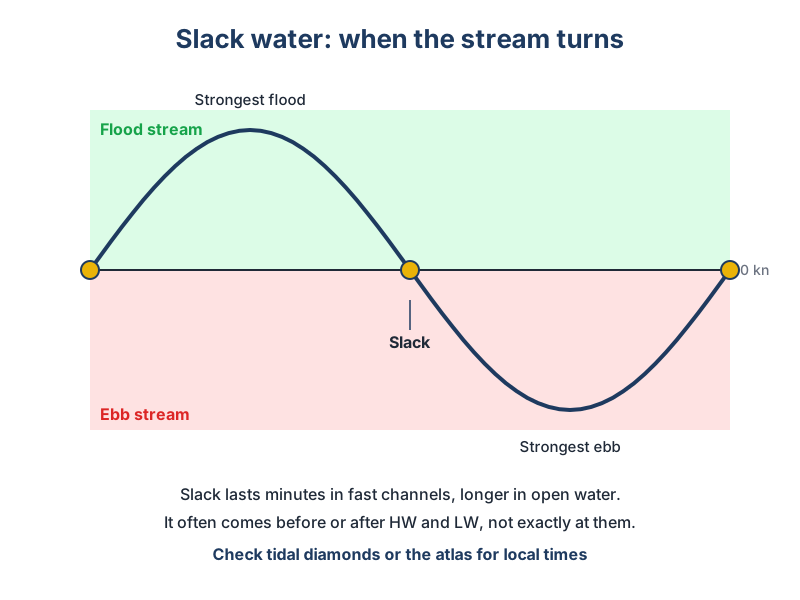
What Is Slack Water? When It Happens and Why It Matters
Slack water is the short period when a tidal stream is weak or still as it turns. Learn when it occurs, why it is not always at high or low water and how to use it.
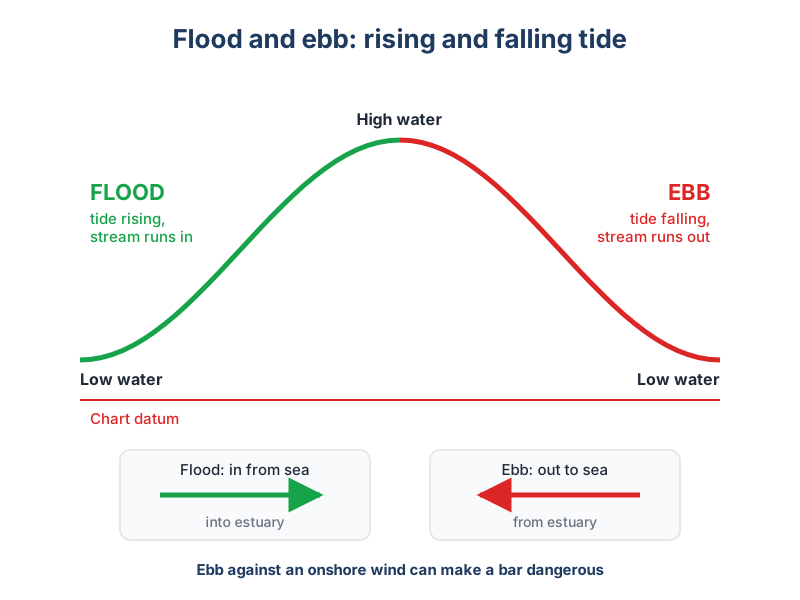
What Does Ebb and Flood Mean? Tidal Terms for Sailors
Flood is the incoming tidal stream as the tide rises; ebb is the outgoing stream as it falls. Learn the terms, how they affect sailing and how to plan around them.
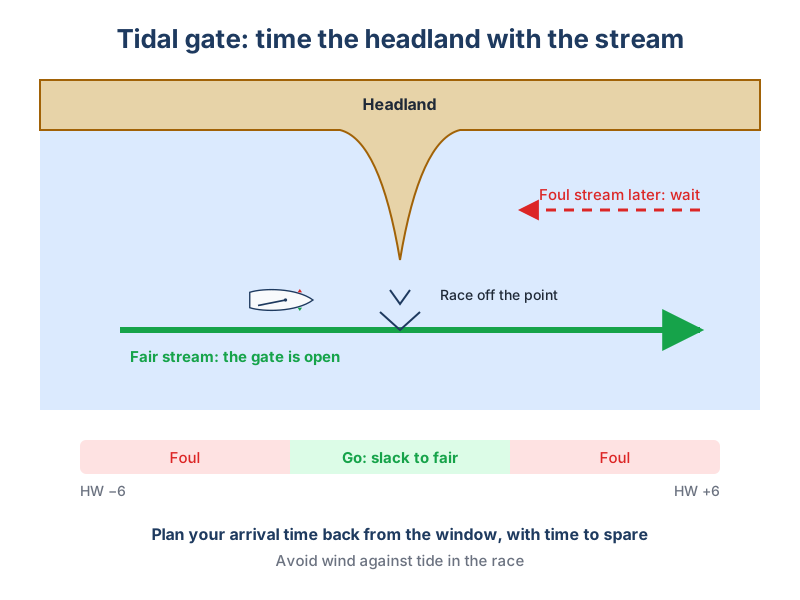
What Is a Tidal Gate? Timing Passages Around Headlands
A tidal gate is a headland, channel or bar you can only pass safely at certain states of tide. Learn how to identify gates and time your passage to get through.
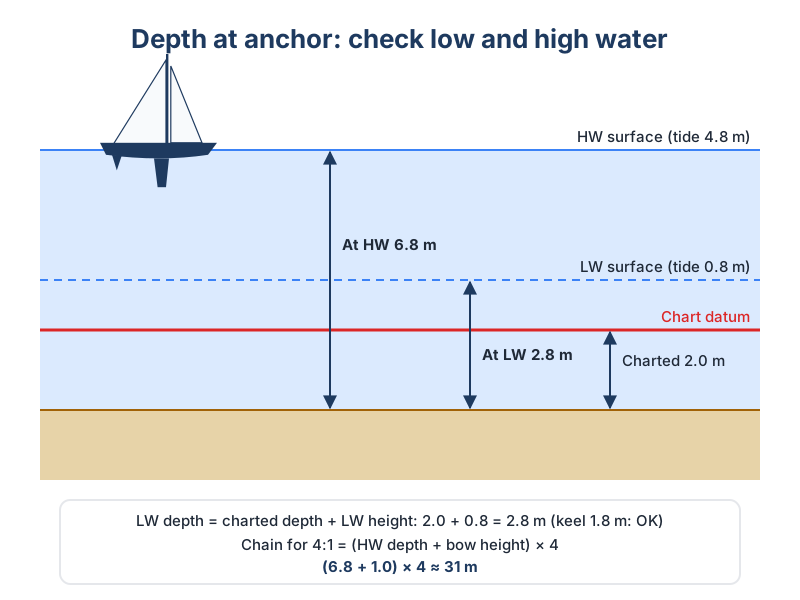
How to Work Out Depth at Anchor: Low Water and Scope
How to check you will stay afloat at anchor overnight: echo sounder reading, height of tide now and at low water, draught, clearance and the right length of chain.
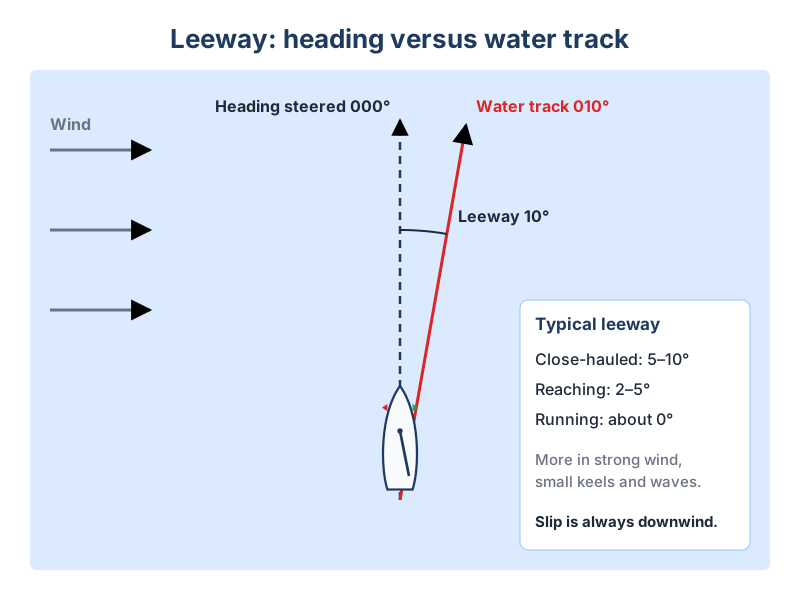
What Is Leeway in Sailing? How to Estimate and Allow for It
Leeway is the sideways drift of a sailing boat caused by the wind. Learn how to estimate it, which way to apply it, and how it fits into your chartwork.
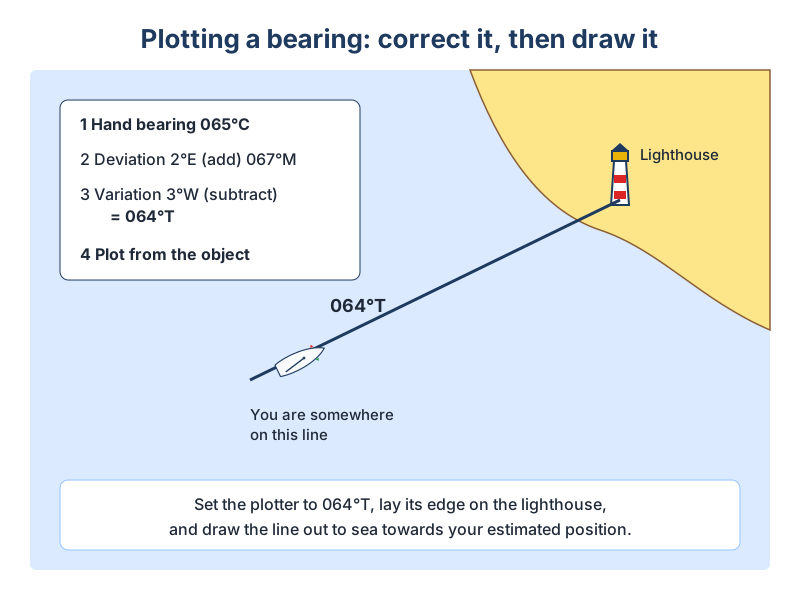
How to Plot a Bearing on a Chart — Step by Step
How to plot a compass bearing on a nautical chart: convert to true, line up your plotter on the landmark, draw the position line and label it clearly.
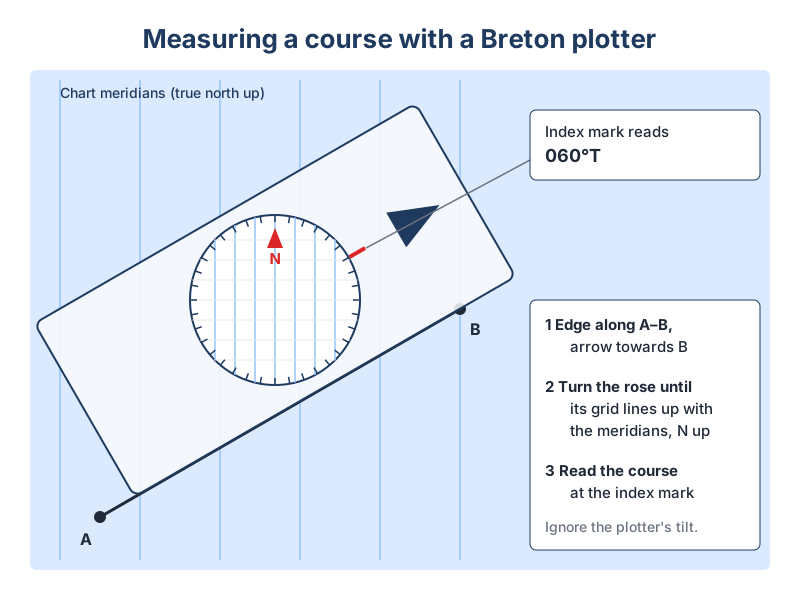
How to Use a Breton Plotter — Measuring and Plotting Courses
How to use a Breton plotter to measure a course or bearing on a chart and to plot one, including allowing for variation, with worked steps for beginners.
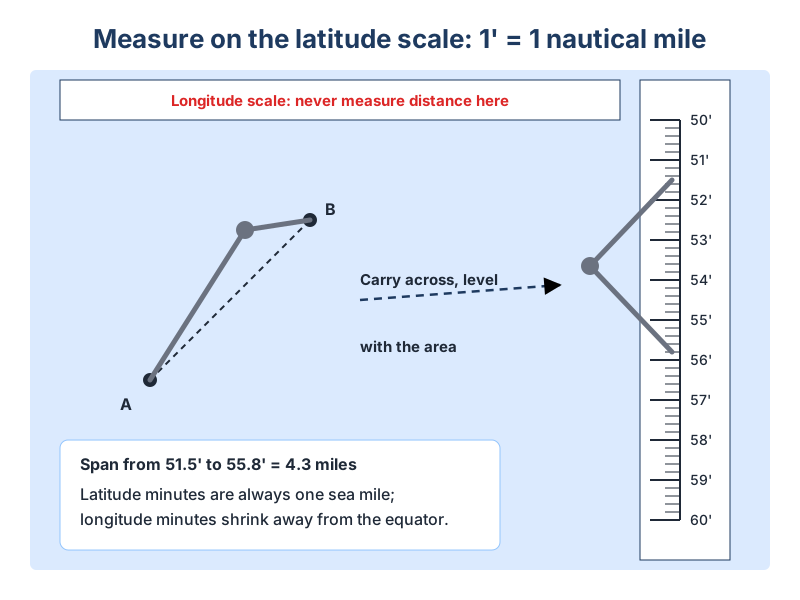
How to Use Dividers on a Chart to Measure Distance
How to use navigation dividers to measure distance on a nautical chart: why you use the latitude scale, one-handed technique, and stepping off longer passages.
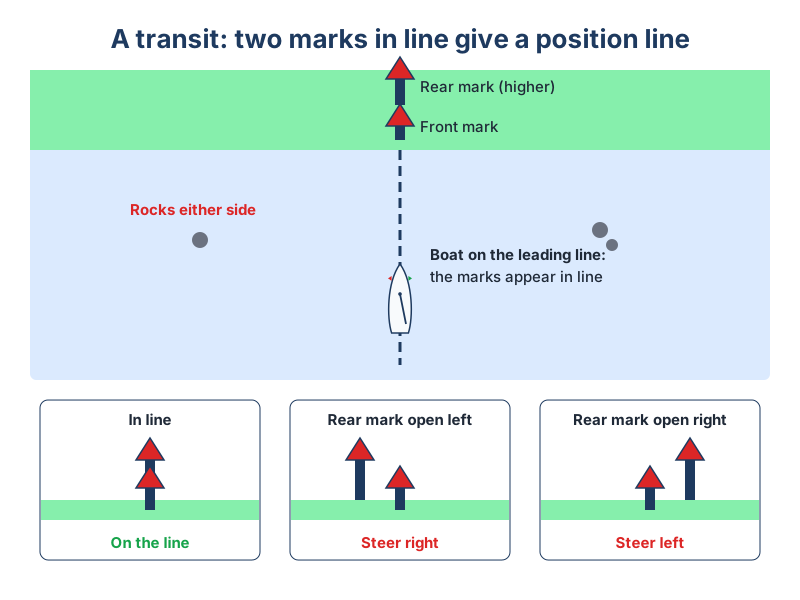
What Is a Transit in Navigation? Leading Lines Explained
A transit is when two charted objects line up, giving an exact position line with no compass error. Learn how to use transits for pilotage and checking compasses.
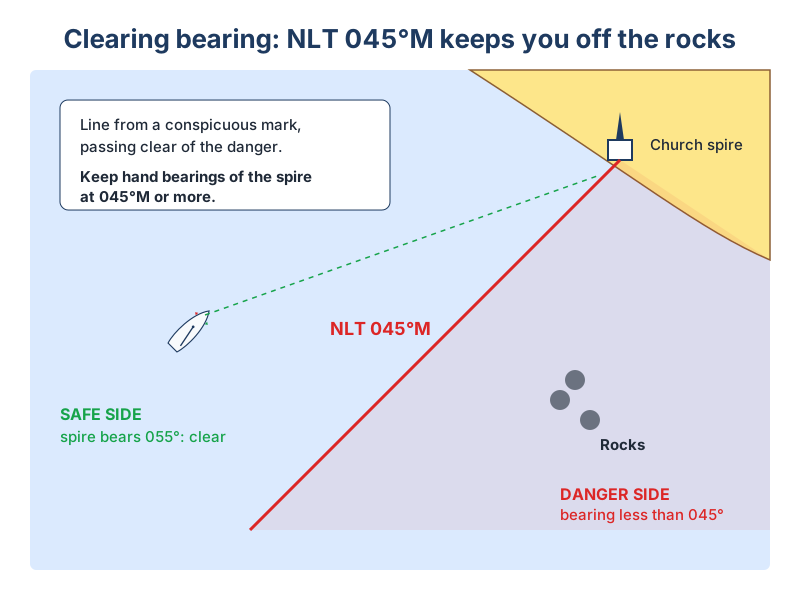
What Is a Clearing Bearing? Staying Clear of Hidden Dangers
A clearing bearing is a pre-planned compass bearing that keeps you clear of a hazard. Learn how to draw one, label it NMT or NLT and use it in pilotage.
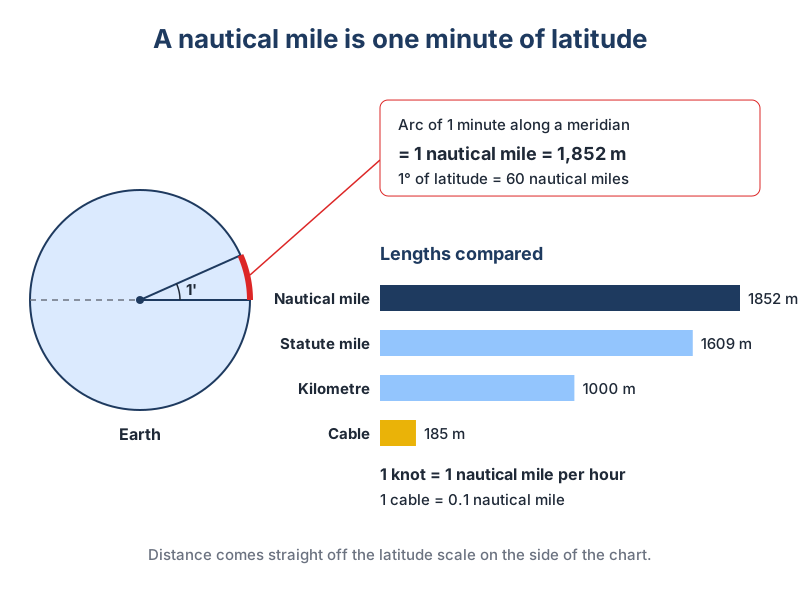
What Is a Nautical Mile? Why Sailors Use It
A nautical mile is 1,852 metres, one minute of latitude. Find out why sailors and pilots use it, how it compares to a statute mile and how to measure it on a chart.
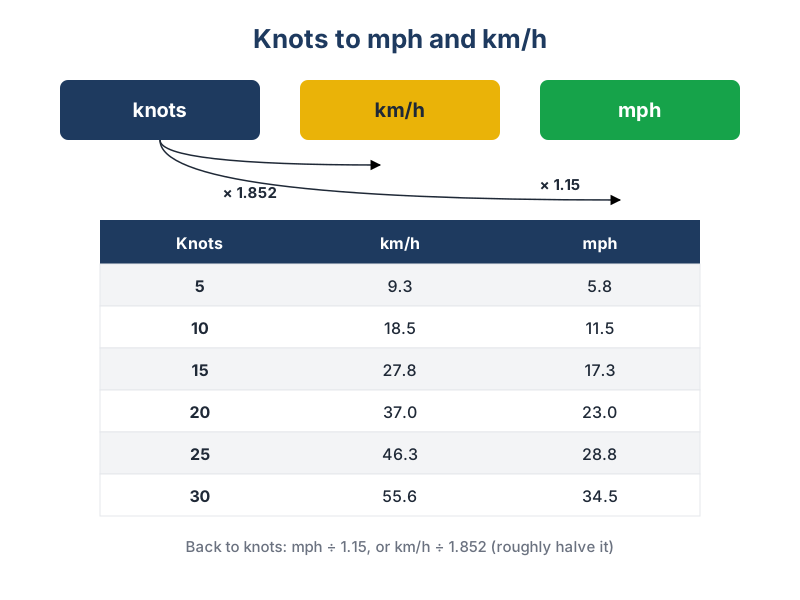
How to Convert Knots to mph (and km/h) — Quick Guide
How to convert knots to mph and km/h: multiply by 1.15 for mph or 1.85 for km/h. Includes a conversion table, wind speed examples and mental shortcuts.
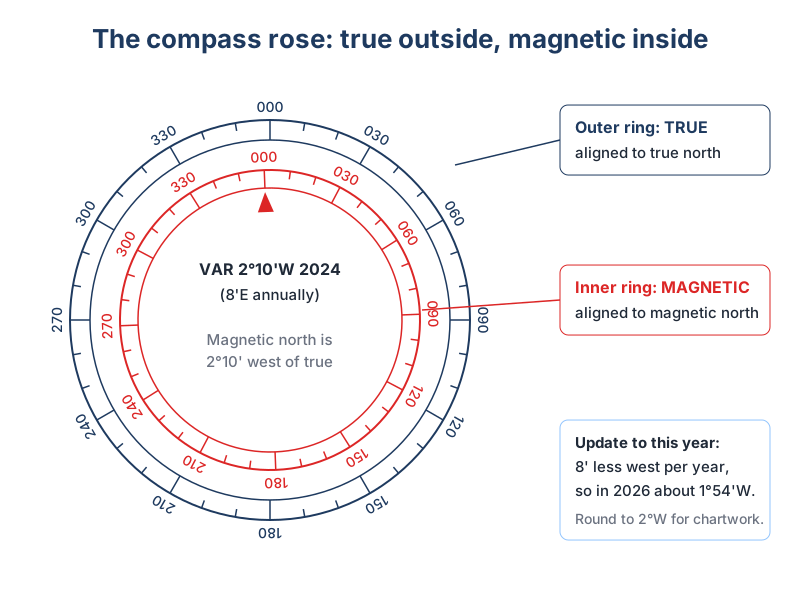
What Is a Compass Rose on a Nautical Chart?
The compass rose on a nautical chart shows true and magnetic north, the local variation and its annual change. Learn how to read it and update variation.
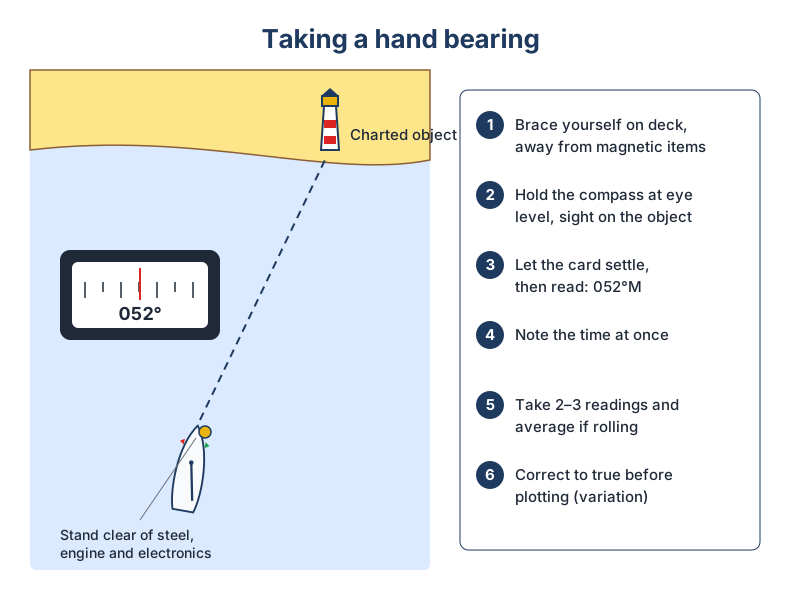
How to Take a Hand Bearing with a Hand-Bearing Compass
How to take an accurate bearing with a hand-bearing compass: where to stand, which objects to choose, reading in a seaway and using bearings to fix or check risk.
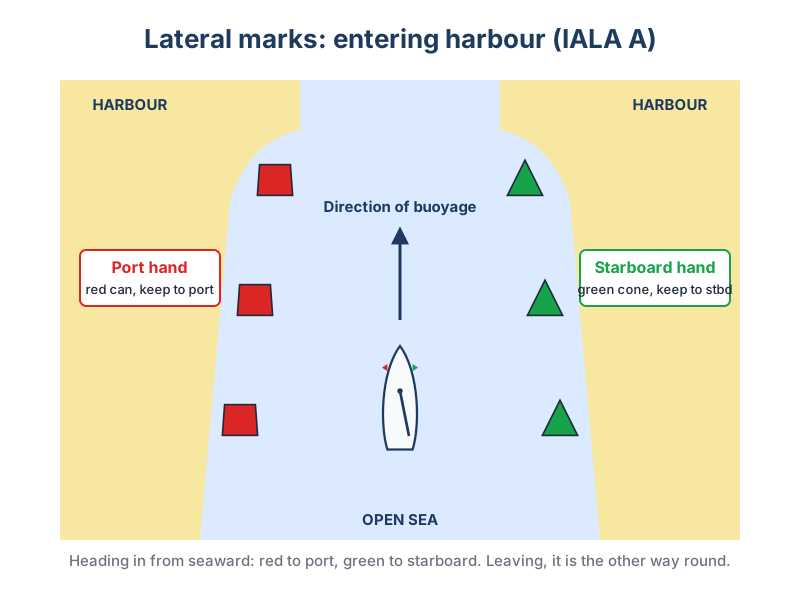
What Is a Lateral Mark? Port and Starboard Buoys Explained
What a lateral mark is, how to tell port and starboard buoys apart by colour, shape, topmark and light, and how the direction of buoyage tells you which side.
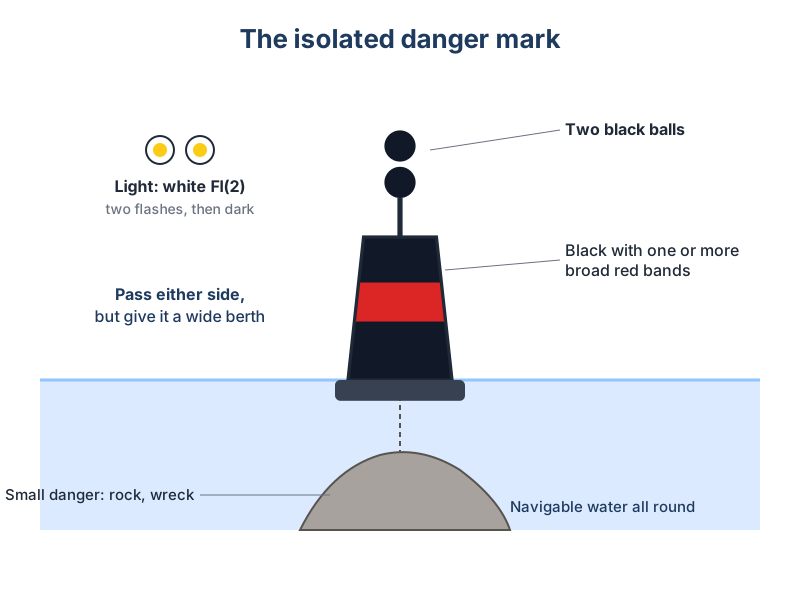
What Is an Isolated Danger Mark? Colours, Topmark and Light
An isolated danger mark sits on a small hazard with safe water all round. Learn its black and red bands, two-ball topmark and Fl(2) white light.
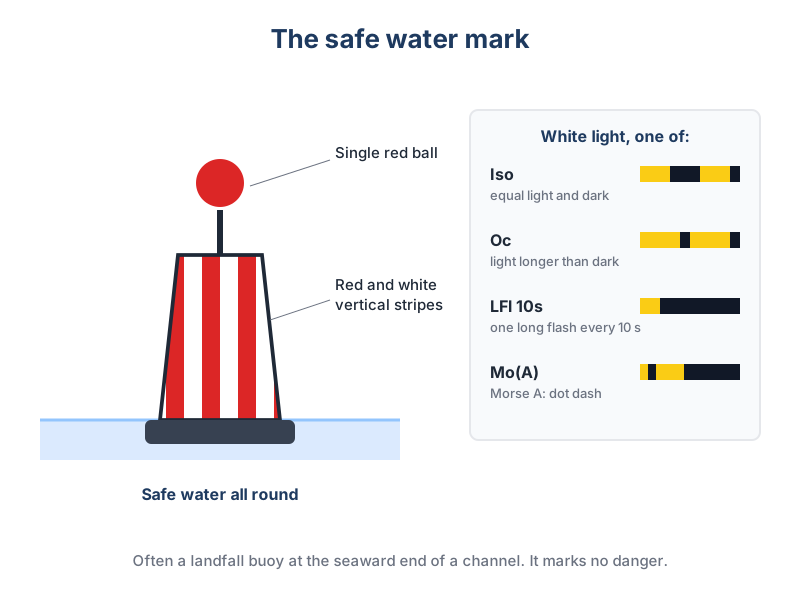
What Is a Safe Water Mark? Red and White Buoys Explained
A safe water mark shows navigable water all around it, often at a channel entrance. Learn its red and white stripes, red ball topmark and white light rhythms.
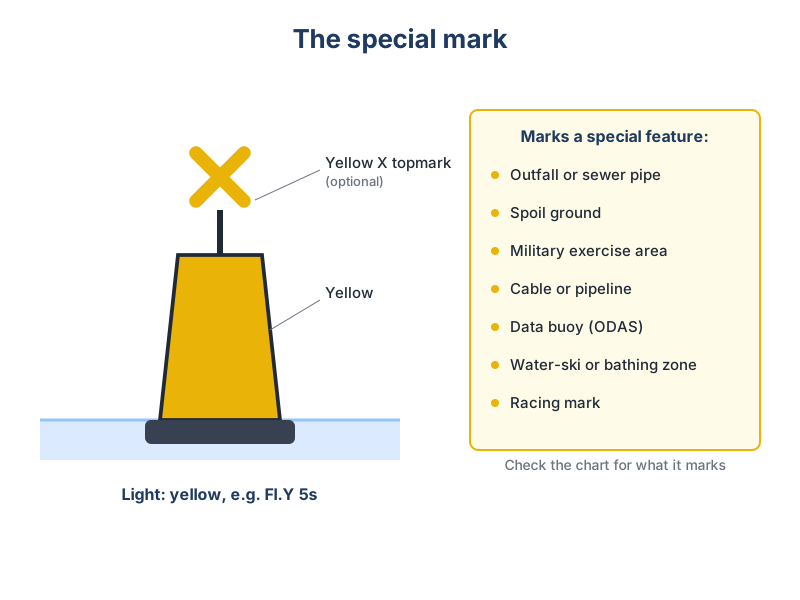
What Is a Special Mark? Yellow Buoys and Their Meaning
Special marks are yellow buoys that flag areas or features such as outfalls, racing marks, spoil grounds and exclusion zones. Learn the X topmark and light.
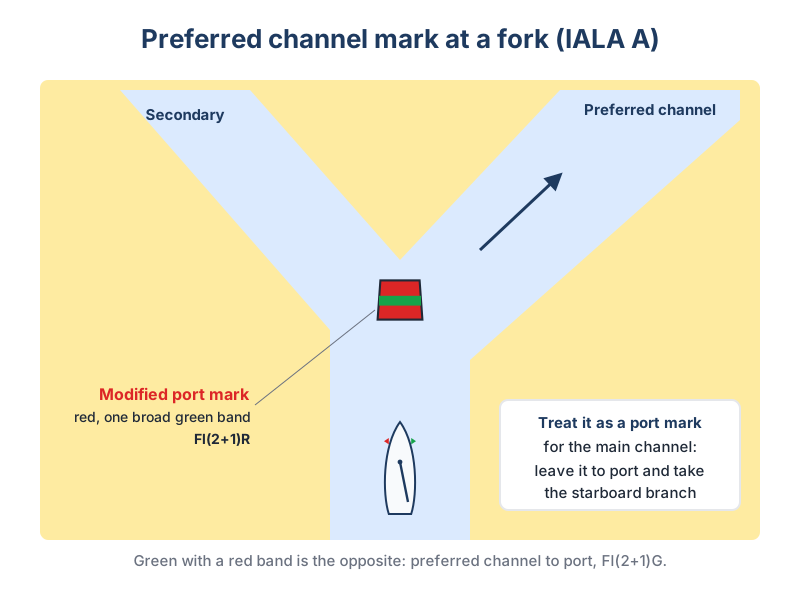
What Is a Preferred Channel Mark? Modified Lateral Marks
A preferred channel mark shows where a channel divides and which branch is the main route. Learn its colours, topmark and Fl(2+1) light in IALA Region A.
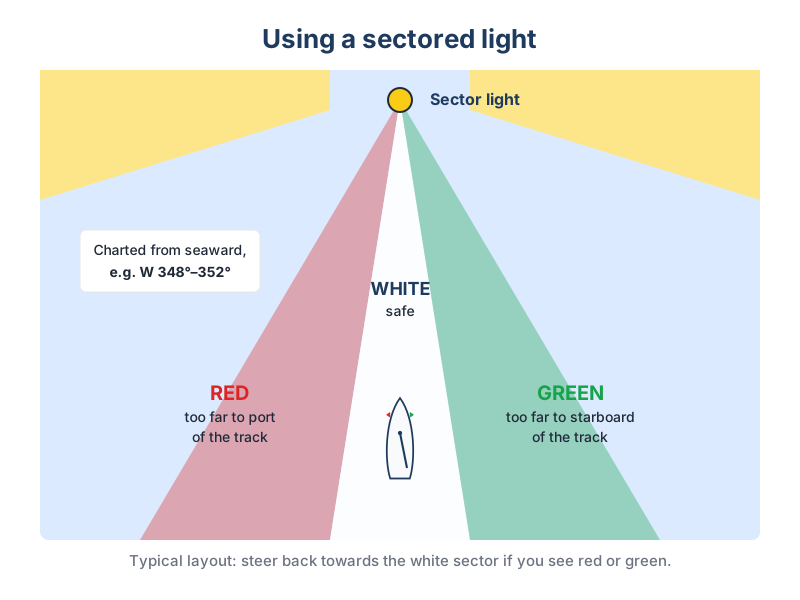
What Is a Sectored Light? How to Use Sector Lights
A sectored light shows different colours over different arcs, guiding you into a channel or warning of danger. How to read sector bearings on a chart and use them.
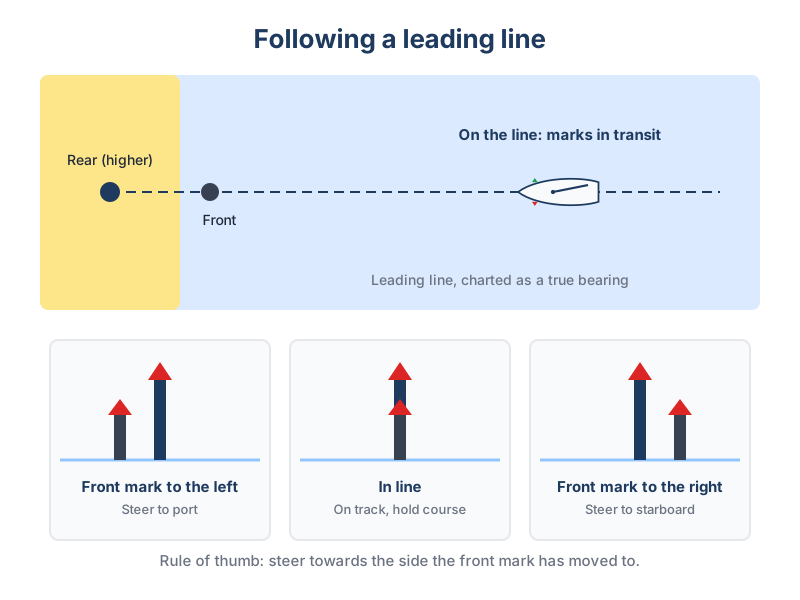
What Is a Leading Line? Transits and Leading Marks Explained
A leading line is a pair of marks or lights in line that guide you along a safe track. How to use transits, which way to correct, and how to find them on a chart.
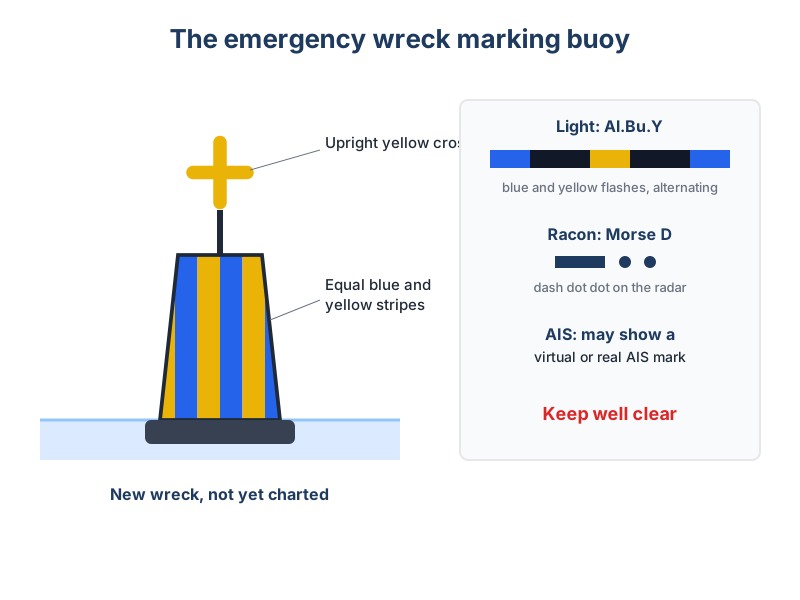
What Is an Emergency Wreck Marking Buoy? Blue and Yellow
An emergency wreck marking buoy marks a new wreck not yet on charts. Learn its blue and yellow stripes, yellow cross topmark, alternating light and racon signal.
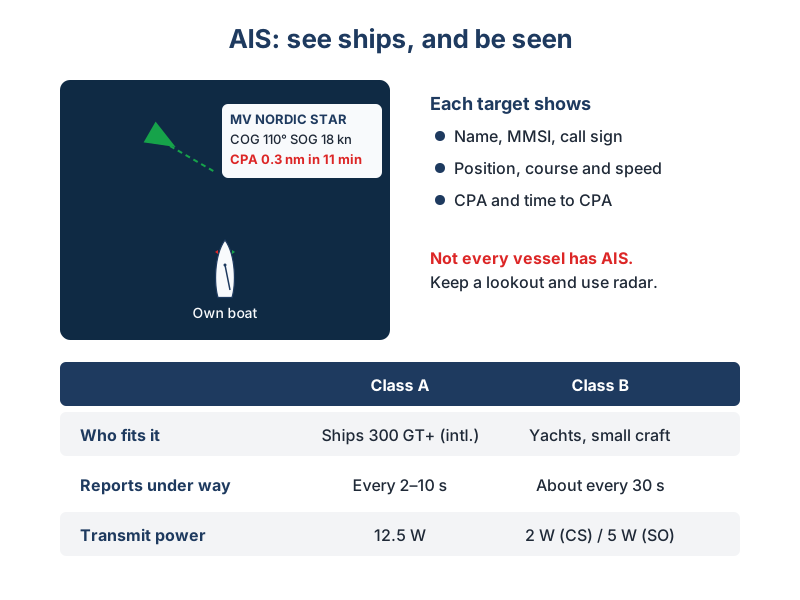
What Is AIS on a Boat? Class A vs Class B Explained
What AIS is, how it shares vessel name, position, course and speed over VHF, Class A vs Class B transponders, receive-only units, CPA alarms and its limits.
Rules of the road
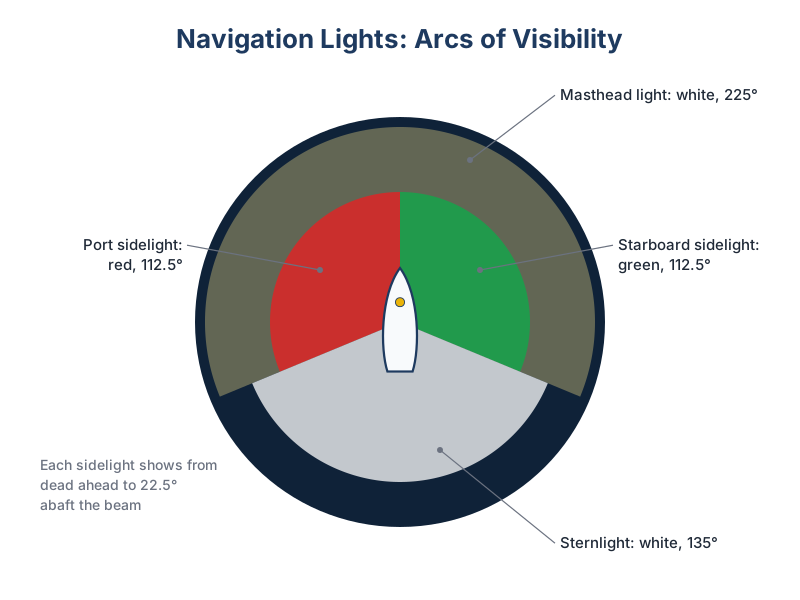
Navigation Lights for Boats — The Complete COLREGs Guide
Every navigation light a sailor needs to know: arcs and ranges, power and sailing vessels, tricolours, fishing, towing, NUC, RAM, CBD, pilot and anchored vessels.
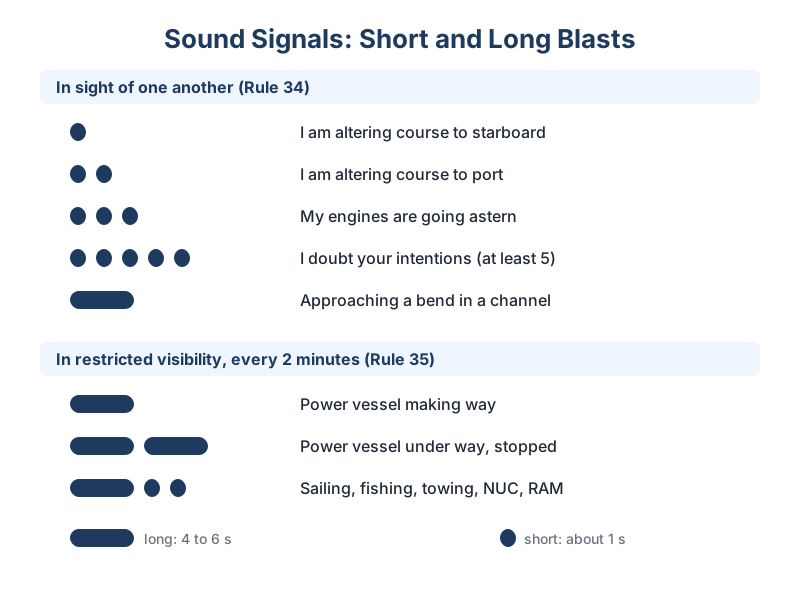
Boat Sound Signals — Horn and Fog Signals Explained
COLREGs sound signals: one short blast means altering to starboard, five short blasts mean doubt, plus overtaking signals in channels and fog signals under Rule 35.
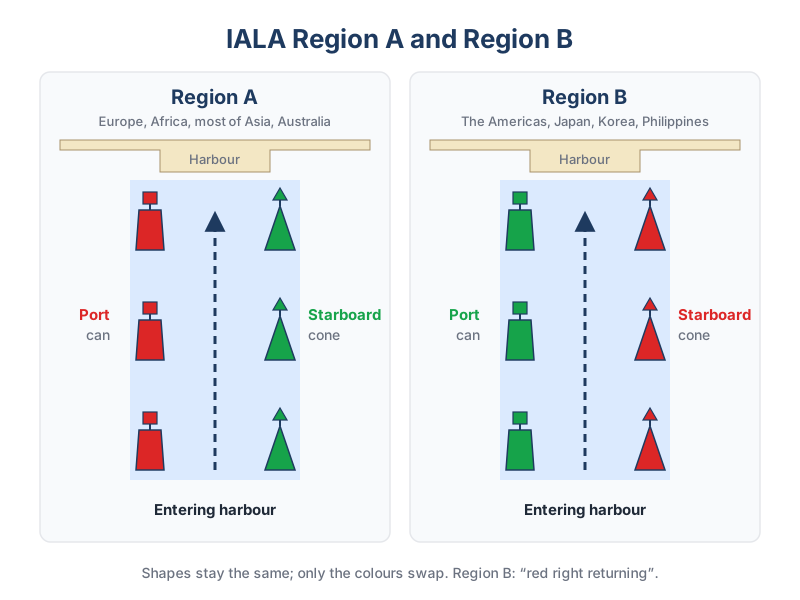
IALA Buoyage Region A vs B — Lateral Marks Explained
The difference between IALA buoyage Regions A and B, which countries use each, the direction of buoyage and how to use port and starboard lateral marks.
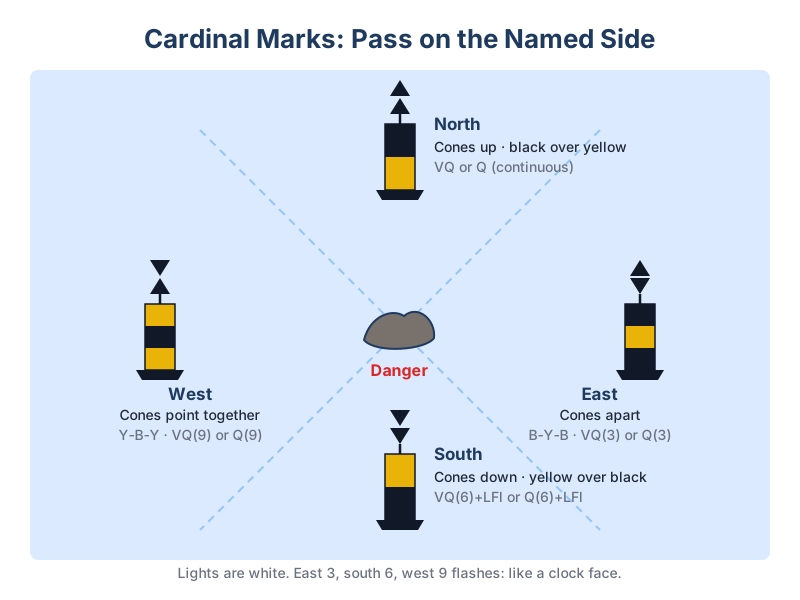
Cardinal Marks Explained — Topmarks, Colours and Lights
How to read cardinal marks: north, east, south and west cardinals, their black and yellow colours, cone topmarks, quick flashing lights and which side to pass.
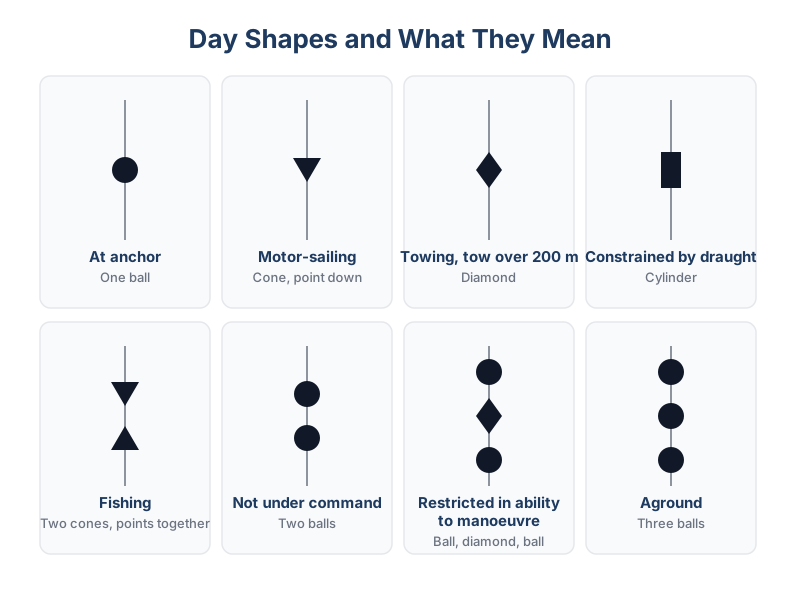
Day Shapes Explained — Balls, Cones, Diamonds and Cylinders
What COLREGs day shapes mean: ball at anchor, two balls NUC, ball-diamond-ball restricted, cylinder CBD, cones for fishing and motor-sailing.
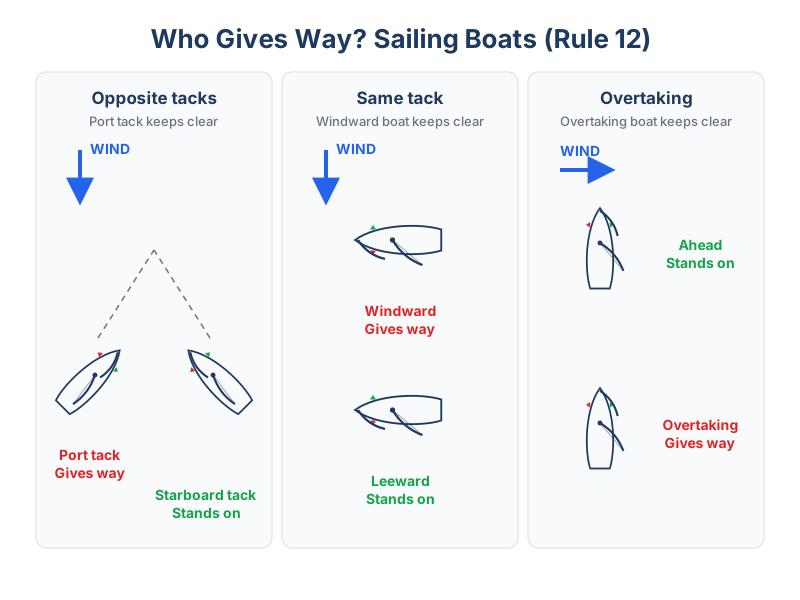
Right of Way Rules for Boats — Who Gives Way?
Who gives way at sea: port tack vs starboard tack, windward vs leeward, overtaking, head-on and crossing power vessels, and the pecking order in Rule 18.
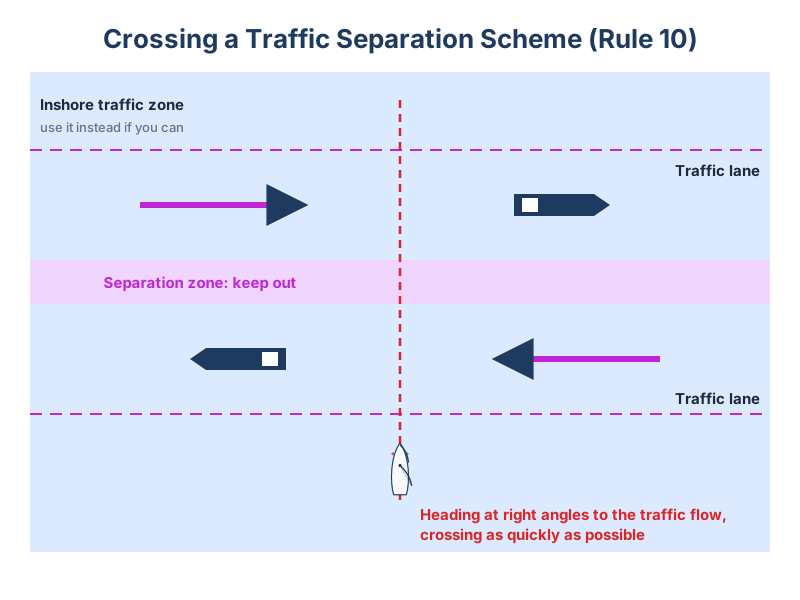
Traffic Separation Schemes (Rule 10) for Yachts
How yachts should cross and use traffic separation schemes under COLREGs Rule 10: heading at right angles, inshore zones and not impeding ships.
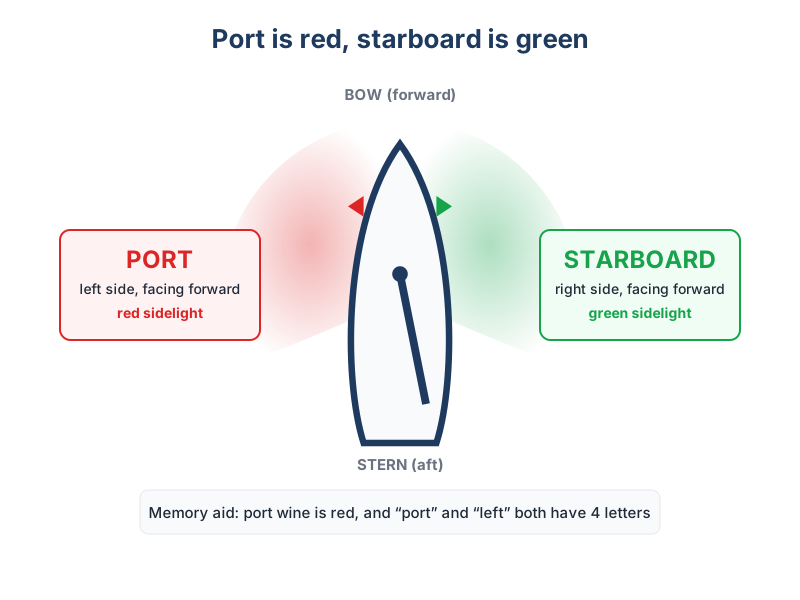
What Colour Is Port and Starboard? Red, Green and Why
Port is red and starboard is green on navigation lights and IALA Region A buoys. Learn the memory aids, where the colours appear and the Region B exception.
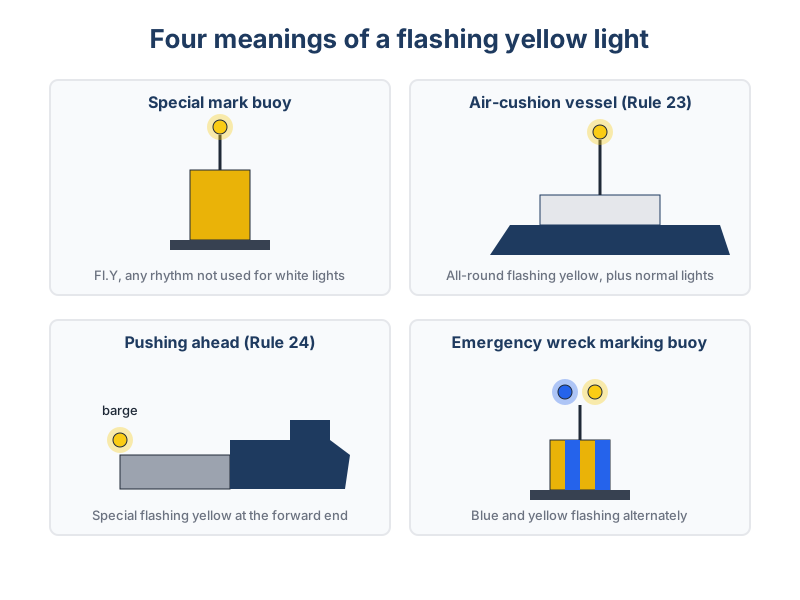
What Does a Flashing Yellow Light Mean at Sea?
A flashing yellow light at sea usually means a special mark, a hovercraft, a vessel pushing ahead, or an emergency wreck buoy. How to tell which one you are seeing.
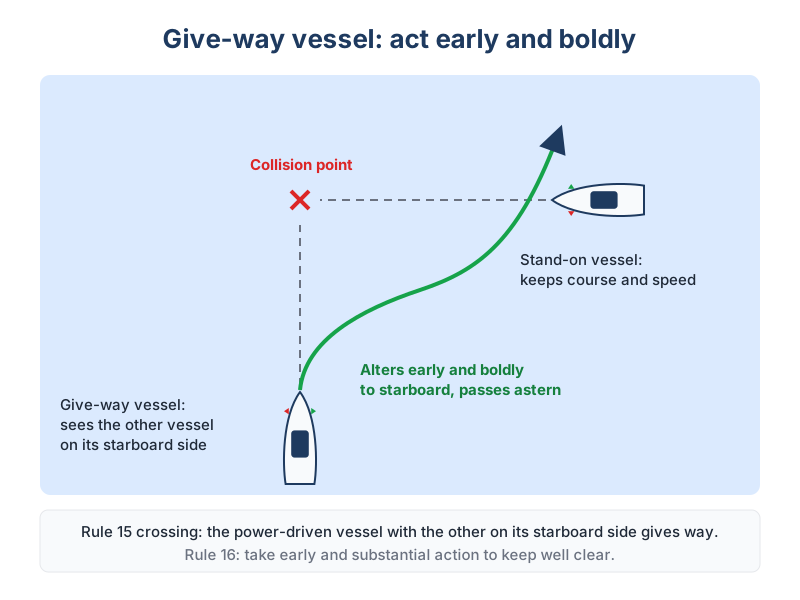
What Is a Give-Way Vessel? COLREGs Rule 16 Explained
What a give-way vessel is under the COLREGs, when you are one, and how to keep clear properly: early, substantial action that the other vessel can clearly see.
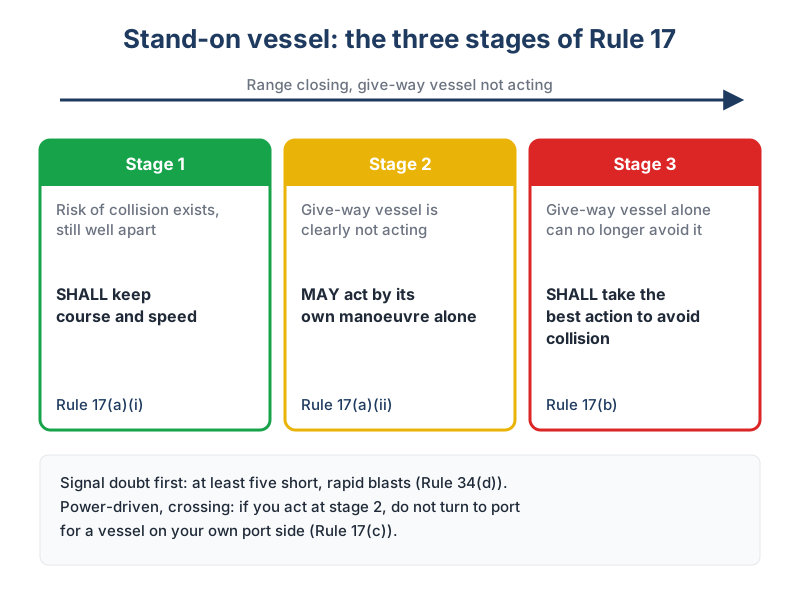
What Is a Stand-On Vessel? COLREGs Rule 17 for Sailors
What a stand-on vessel must do under COLREGs Rule 17: hold course and speed, when you may act on your own, and when you must act to avoid a collision.
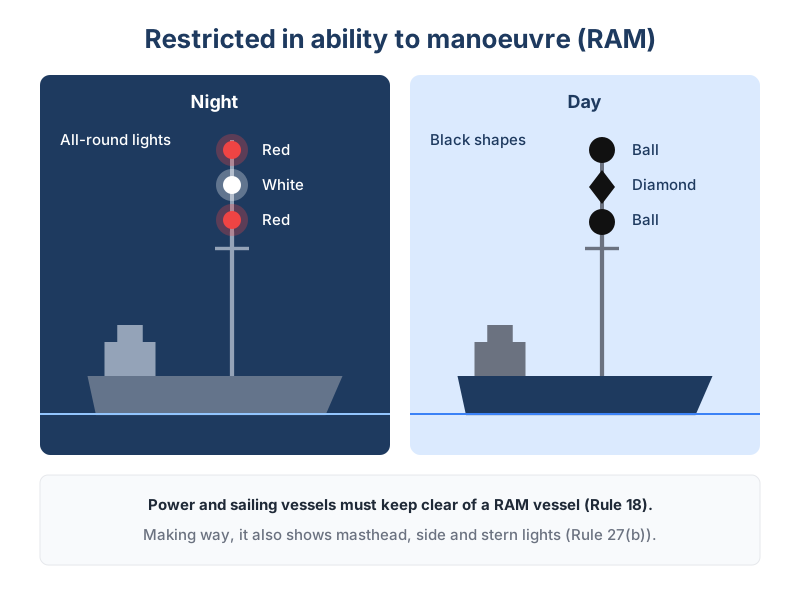
What Does Restricted in Ability to Manoeuvre Mean?
Restricted in ability to manoeuvre (RAM) explained: which vessels qualify, their lights and day shapes, and why sailing yachts must keep out of their way.
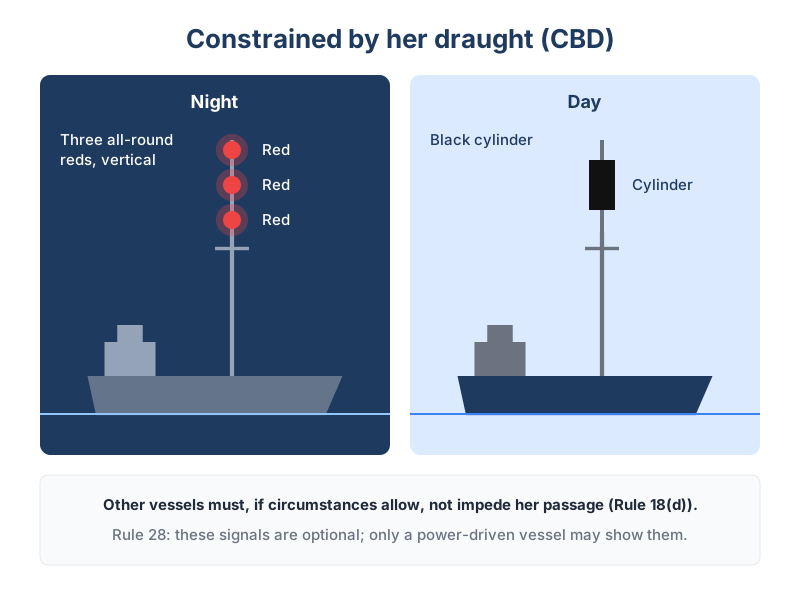
What Is a Vessel Constrained by Her Draught? (CBD)
What a vessel constrained by her draught is, the three red lights and black cylinder it shows, and how sailing yachts should avoid impeding deep-draught ships.
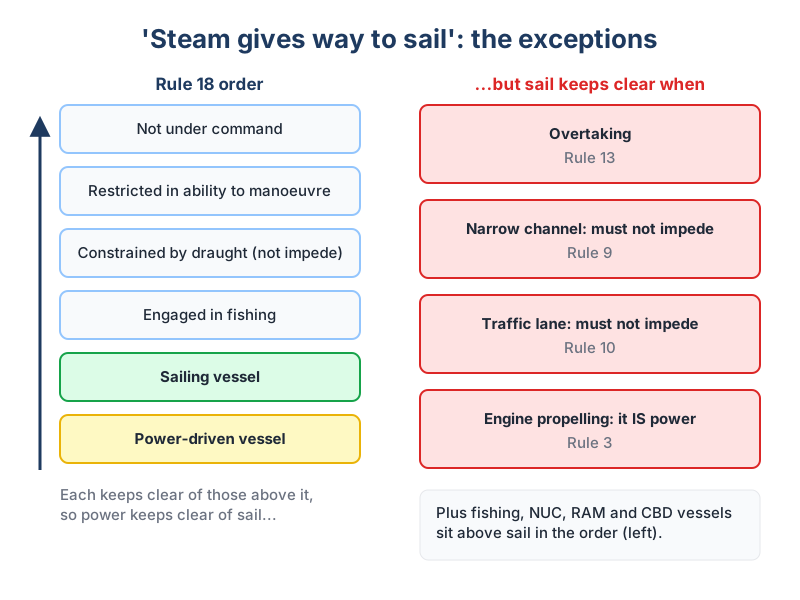
Steam Gives Way to Sail: Myth or Rule? What COLREGs Say
Does power always give way to sail? Why 'steam gives way to sail' is only partly true, and the many cases where a sailing yacht must keep clear under the COLREGs.
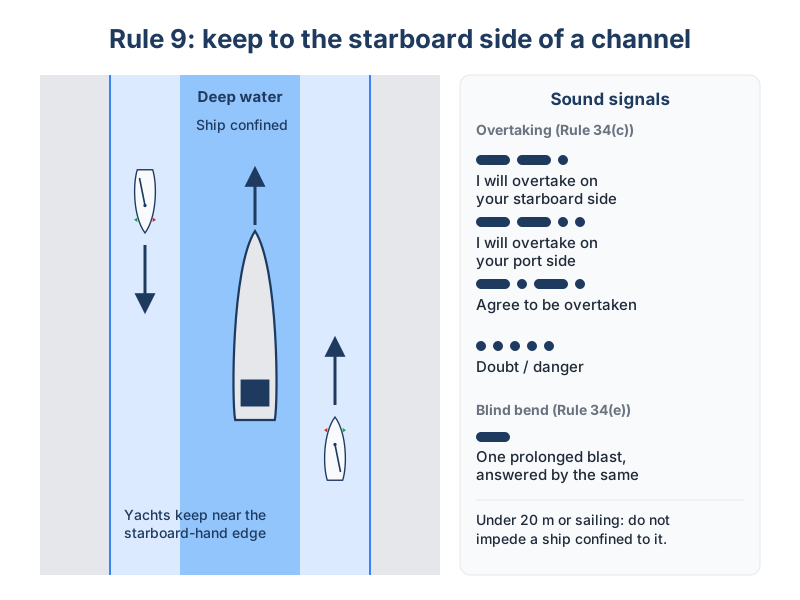
Narrow Channel Rule 9 Explained for Sailors and Skippers
COLREGs Rule 9 for narrow channels explained: keep to starboard, do not impede ships, crossing, overtaking signals, bends and anchoring, with a UK yachting focus.
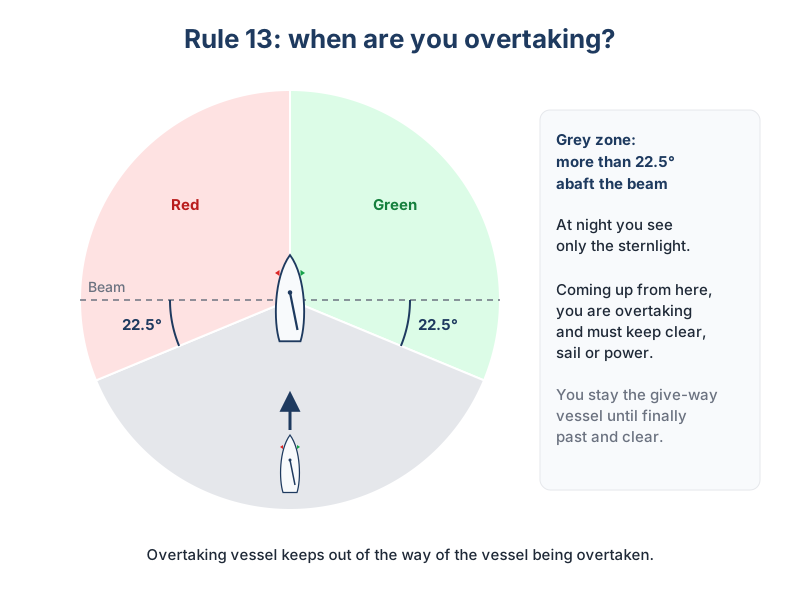
Overtaking Rule 13 Explained: Who Gives Way When Passing?
COLREGs Rule 13 explained: what counts as overtaking, why the overtaking vessel always keeps clear (even under sail), and how to judge it by day and night.
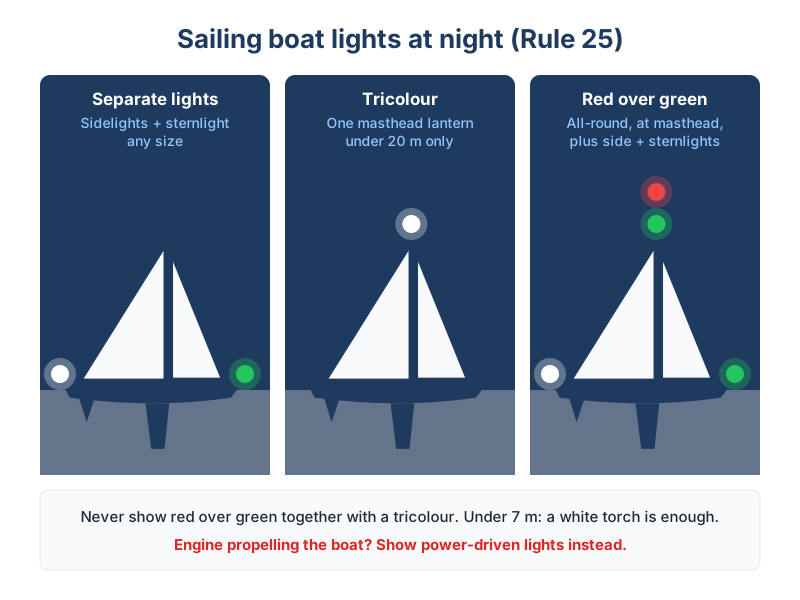
What Lights Does a Sailing Boat Show at Night? Rule 25 Guide
What lights a sailing boat shows at night under COLREGs Rule 25: sidelights and sternlight, tricolour options, motor-sailing lights, small boat rules and ranges.
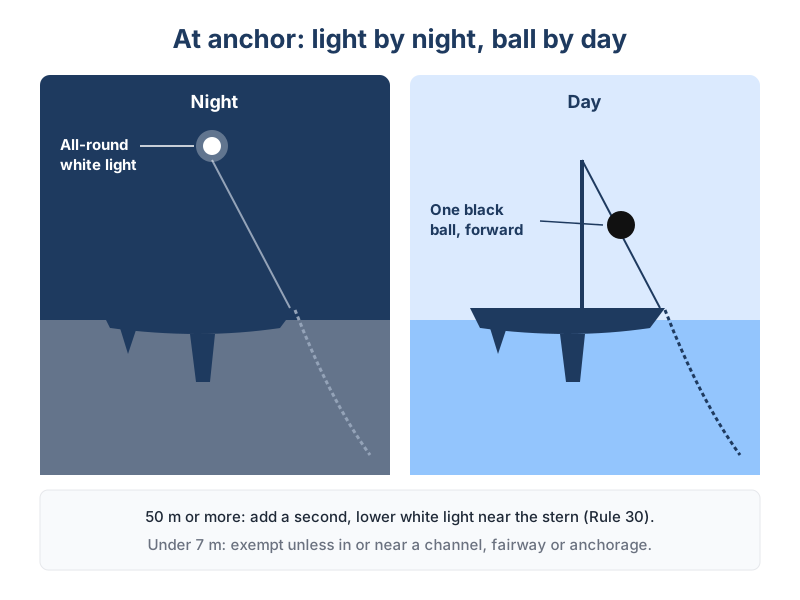
Anchor Light Rules: What a Yacht at Anchor Must Show
Anchor light rules under COLREGs Rule 30: the all-round white light, when a second light is needed, the black ball by day, exemptions for small boats and tips.
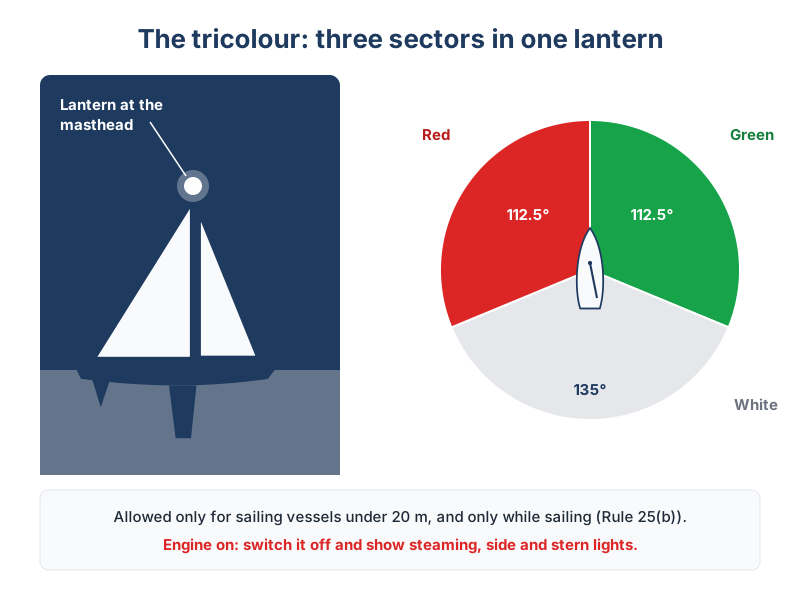
What Is a Tricolour Light? Masthead Light Rules
What a tricolour light is, which sailing boats may use one, why it must be off when motoring, and how it compares with deck-level sidelights and a sternlight.
Weather
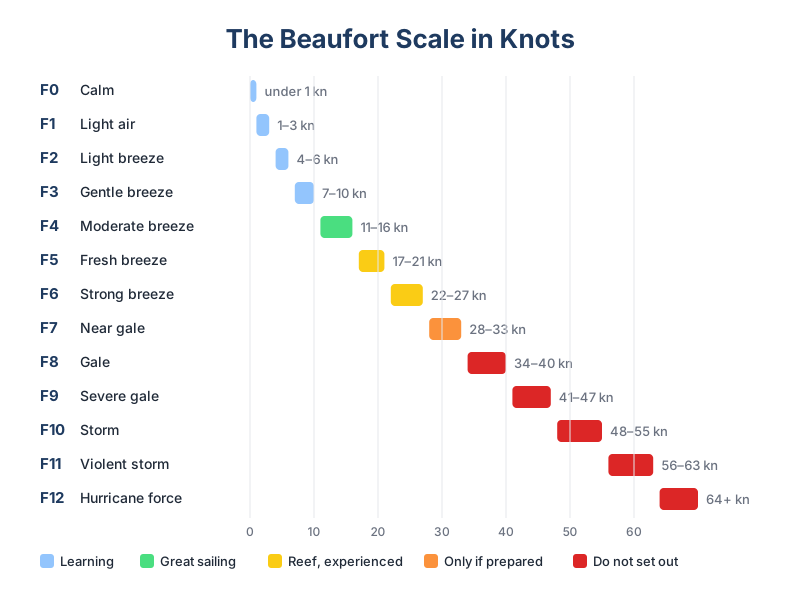
The Beaufort Scale for Sailors — Force 0 to 12 Explained
The Beaufort wind force scale for sailors: wind speeds in knots, wave heights and what each force means on a cruising yacht, from flat calm to hurricane force.
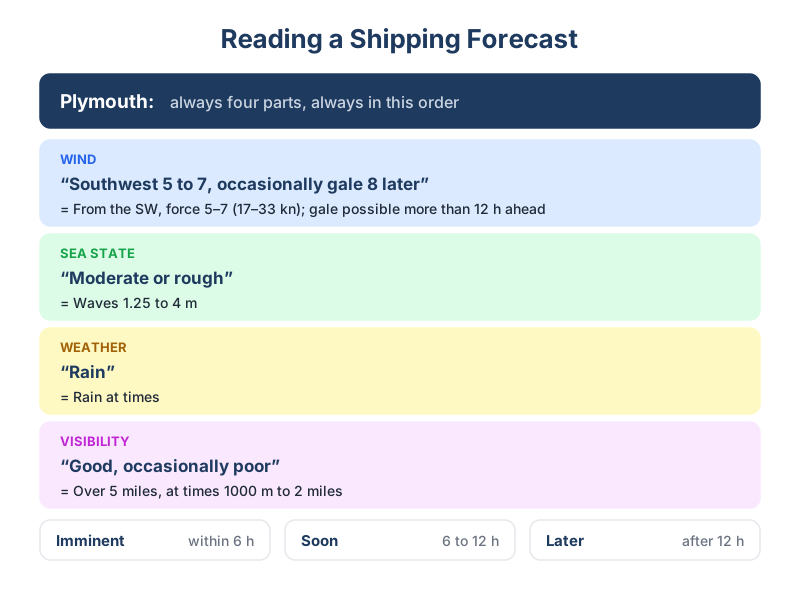
How to Read the Shipping Forecast — Every Term Decoded
How to understand the Shipping Forecast: sea areas, gale warnings, the general synopsis, and the official meanings of wind, sea state, weather and visibility terms.
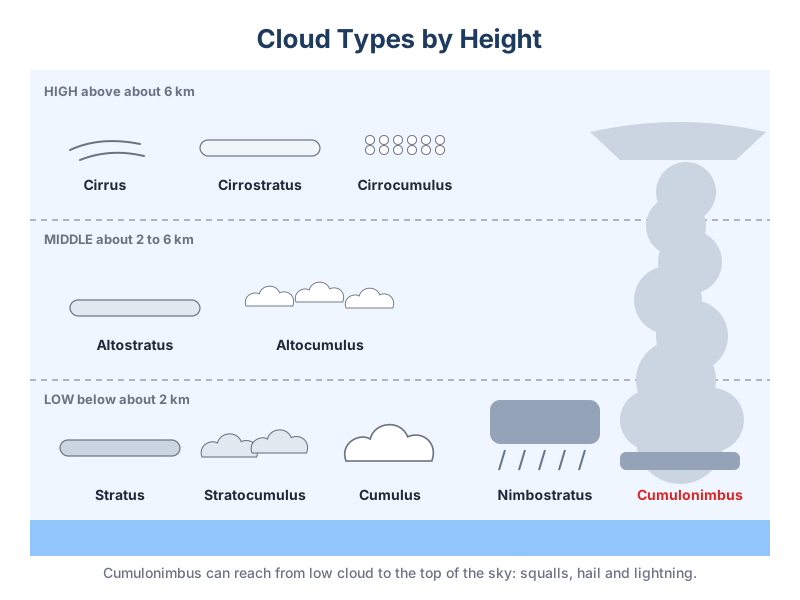
Cloud Types for Sailors — What the Sky Is Telling You
The ten main cloud types and what they mean at sea: cirrus warnings, the halo of cirrostratus, rain-bearing nimbostratus and squally cumulonimbus.
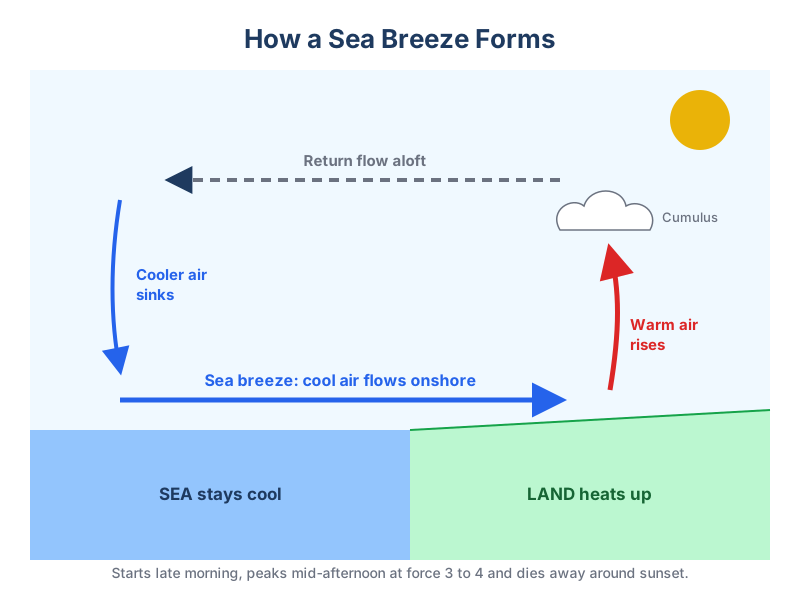
Sea Breezes Explained — When, Why and How Strong
How sea breezes form on sunny days, when they start and peak, how strong they get, how the gradient wind changes them, and the land breeze at night.
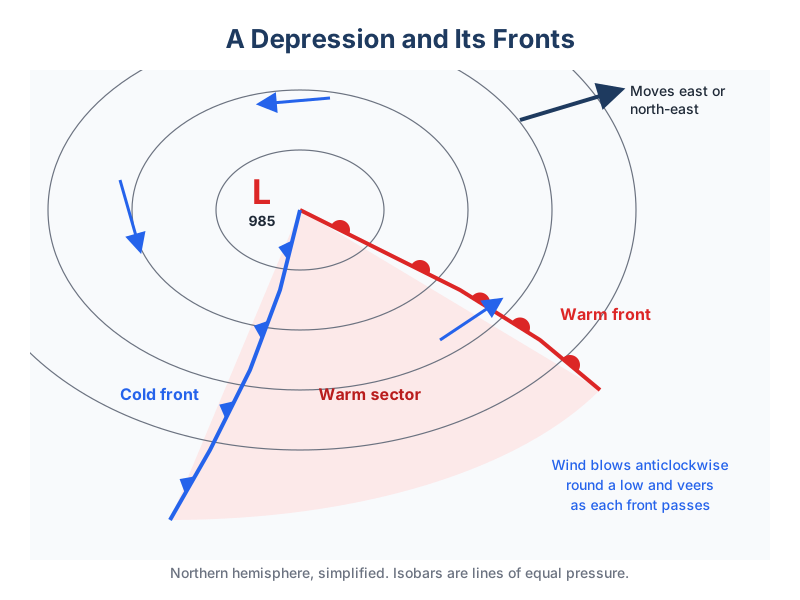
Weather Fronts for Sailors: Warm, Cold and Occluded
How depressions and their fronts affect sailors: the warm front sequence, the warm sector, the cold front's squalls and veer, occlusions and what the barometer does.
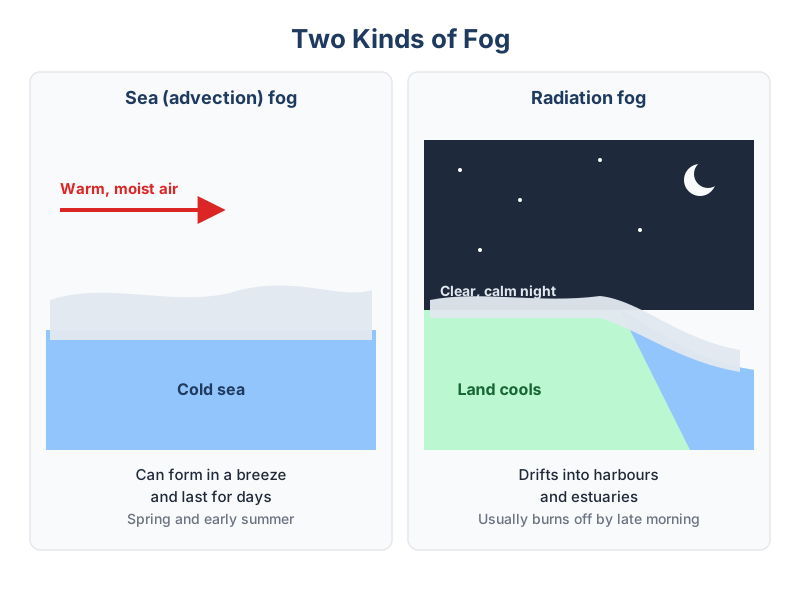
Fog at Sea — Types, Forecasting and What to Do
Sea fog vs radiation fog: how each forms, when it clears, and what to do if fog comes down when you're sailing: sound signals, lookout, radar, AIS and safe speed.
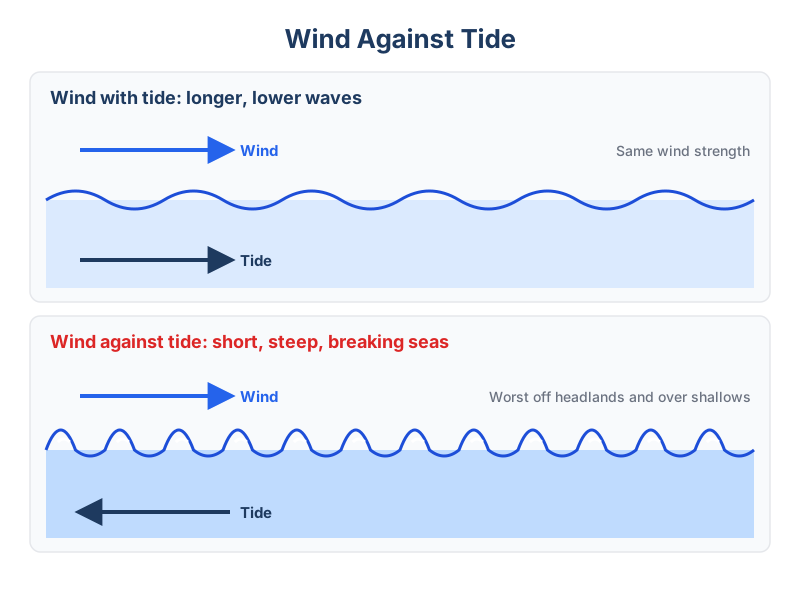
When Is It Too Windy to Sail? A Practical Guide
How much wind is too much for sailing: rules of thumb by crew experience and boat size, gusts, wind against tide, sea state and a go / no-go checklist.
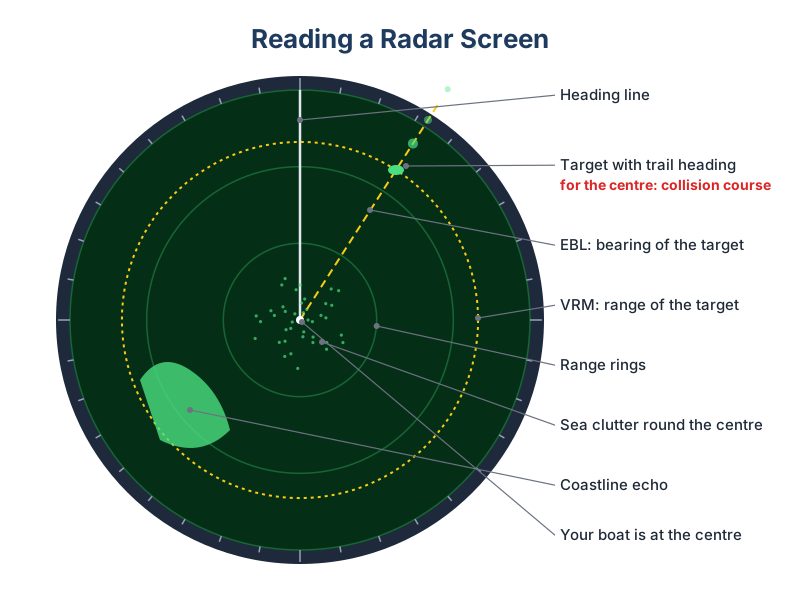
How to Use the Weather and Radar Tools — Step by Step
A step-by-step guide to the free sailing weather tools, the Weather School game and the radar simulator: what each control does and how to practise.
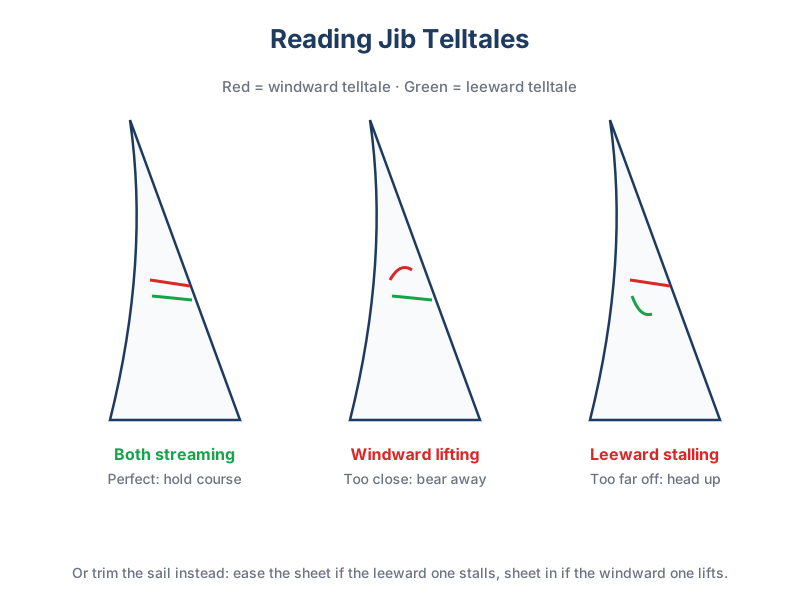
How to Read Wind Direction When Sailing
How to tell wind direction on a boat: water, flags, telltales and wind vanes, true vs apparent wind, and how to read wind barbs on a forecast.
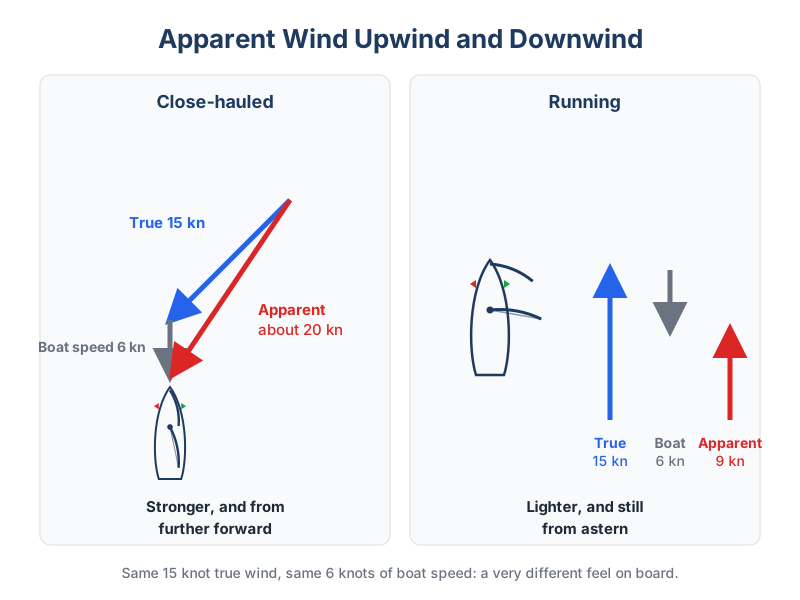
What Is Apparent Wind? True vs Apparent Wind Explained
Apparent wind is the wind you feel on a moving boat: true wind combined with the wind made by the boat's own speed. Why it matters for sail trim and instruments.
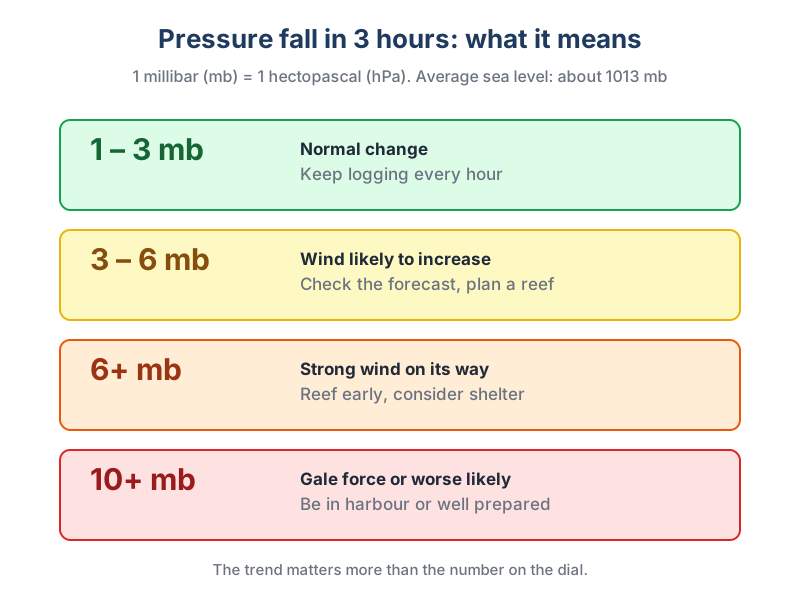
What Is a Millibar Pressure Change? A Sailor's Guide
What a millibar is, how fast pressure changes matter at sea, and how to turn a falling or rising barometer into a real wind warning before you sail out.
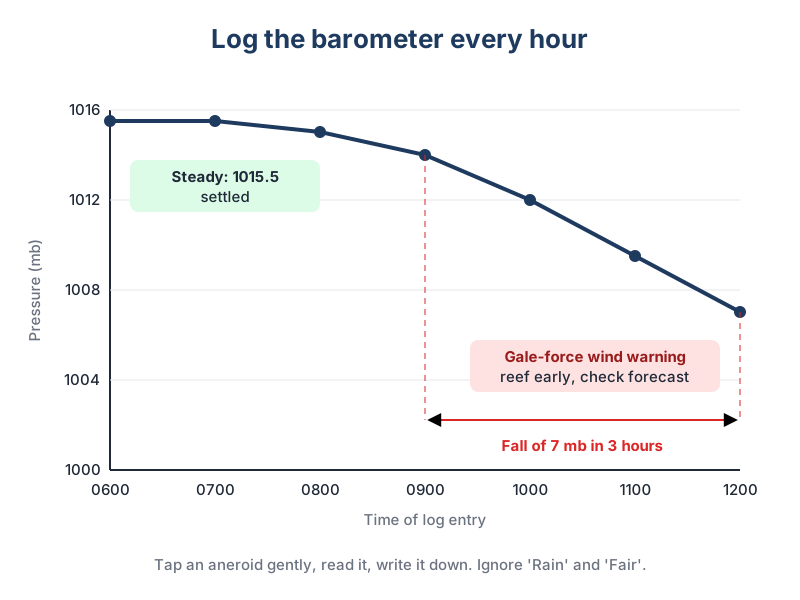
How to Read a Barometer for Sailing
How to read a barometer on a boat: setting it, logging hourly readings, reading the trend and using falling or rising pressure to forecast wind at sea.
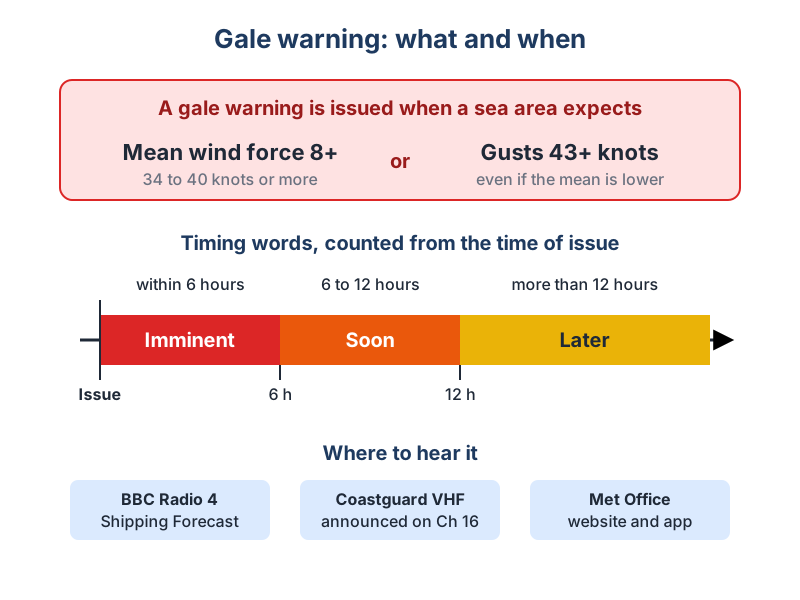
What Is a Gale Warning? UK Sea Areas Explained
What a gale warning means in the UK: force 8 or gusts of 43 knots, imminent, soon and later timings, and how sailors should react when one is issued.
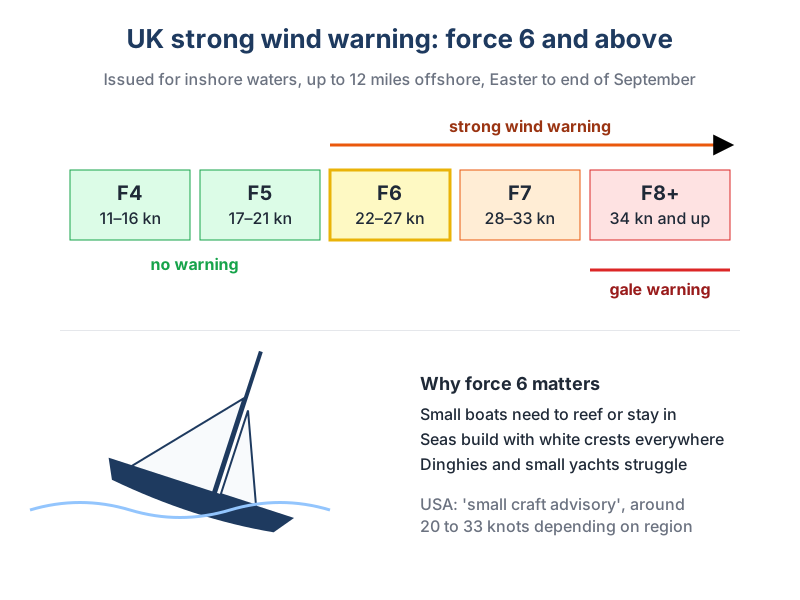
What Is a Small Craft Warning? UK Strong Wind Warnings
What a small craft warning means, how the UK strong wind warning for inshore waters works at force 6, and how it compares with US small craft advisories.
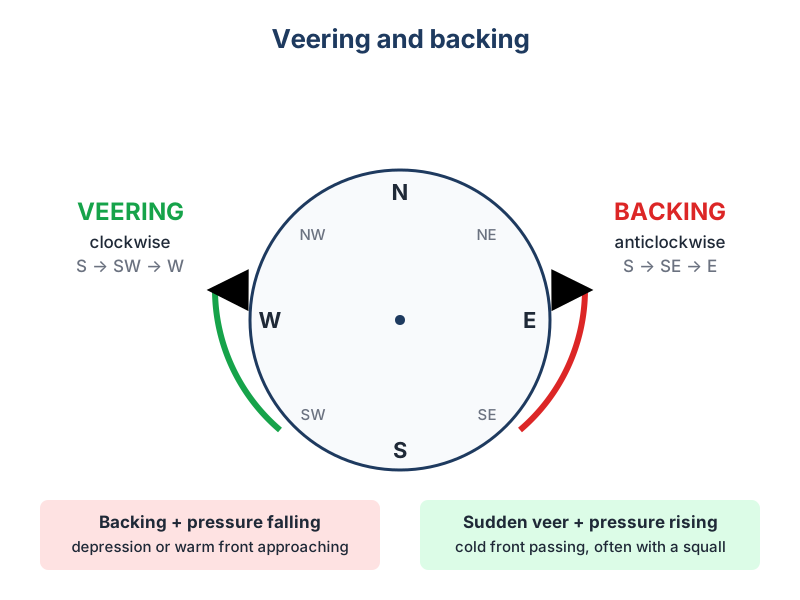
What Does Veering and Backing Mean? Wind Shifts Explained
What veering and backing wind means: a clockwise or anticlockwise shift in direction, how it signals fronts and depressions, and how to use it when sailing.
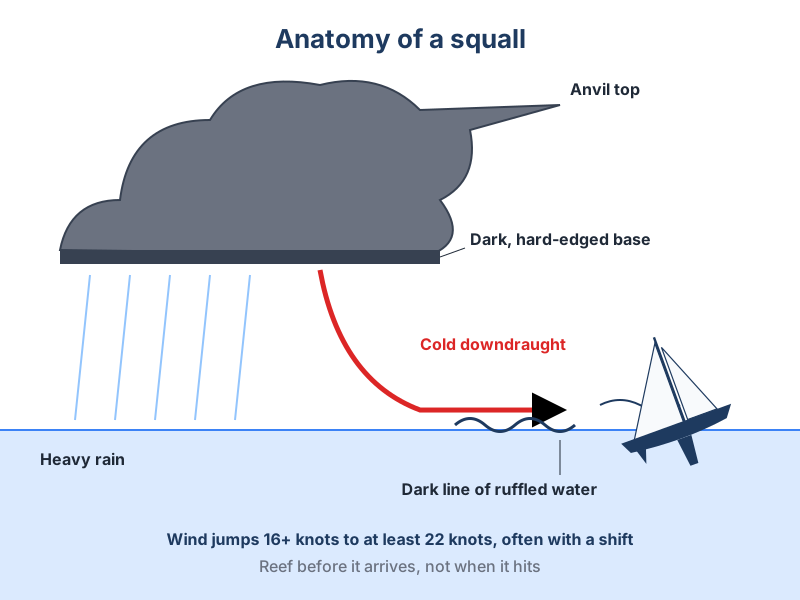
What Is a Squall? How Sailors Spot and Handle Them
What a squall is at sea, how to recognise one from cloud and radar, why the wind shifts suddenly, and how to reef and handle a yacht before it hits.
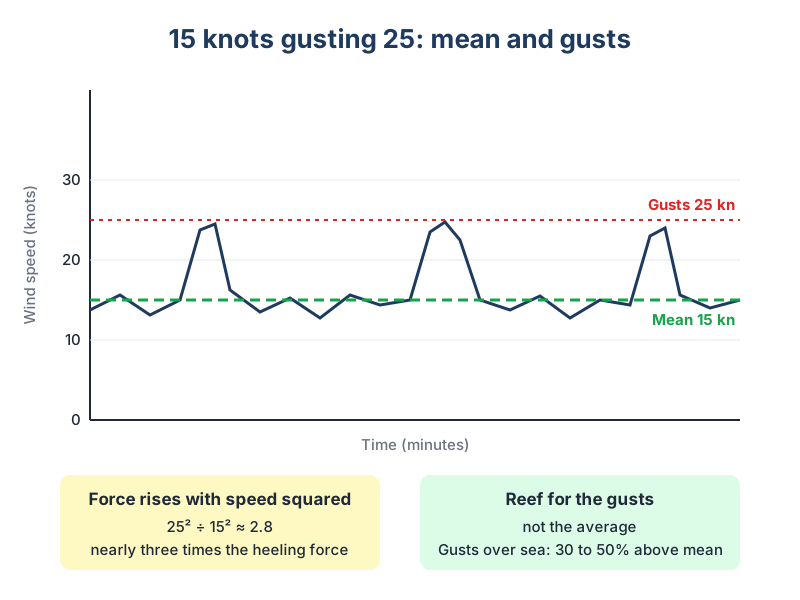
What Is Gusting Wind? Gusts vs Mean Wind for Sailors
What gusting wind means in a forecast, how gusts differ from mean wind speed, why they matter more for sailing and how to handle a gusty day on a yacht.
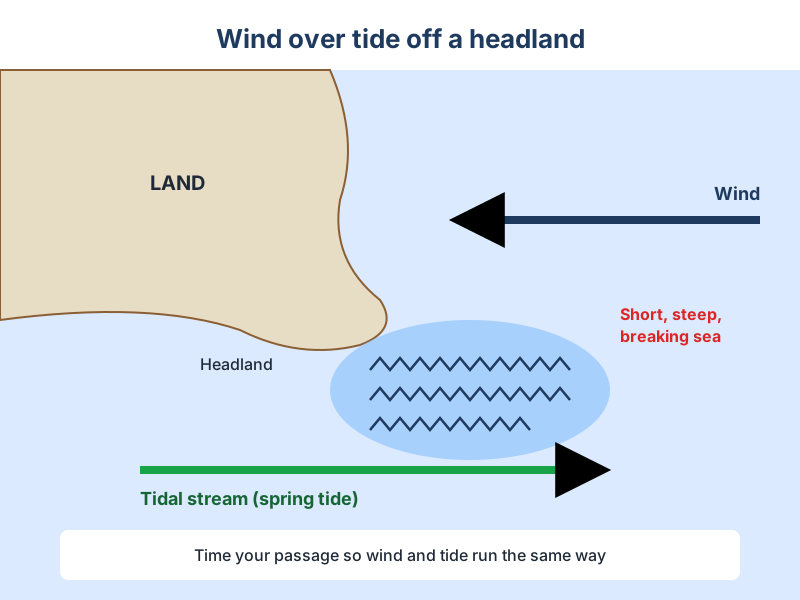
What Is Wind Over Tide? Why It Makes Seas Dangerous
What wind over tide means, why wind against tidal stream creates steep, short breaking seas, where it is worst in the UK and how to plan passages around it.
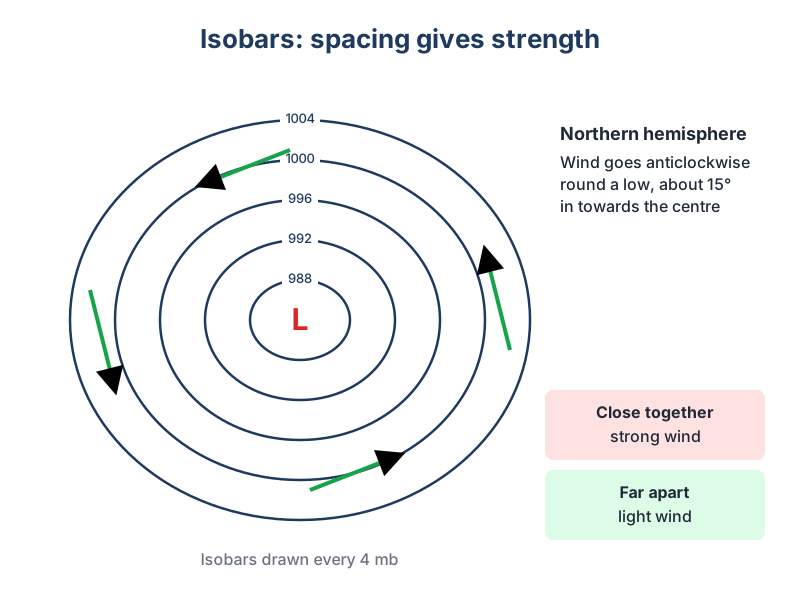
What Are Isobars? Reading Pressure Charts for Sailing
What isobars are on a weather chart, how their spacing shows wind strength, how wind blows along them and how sailors use synoptic charts to plan passages.
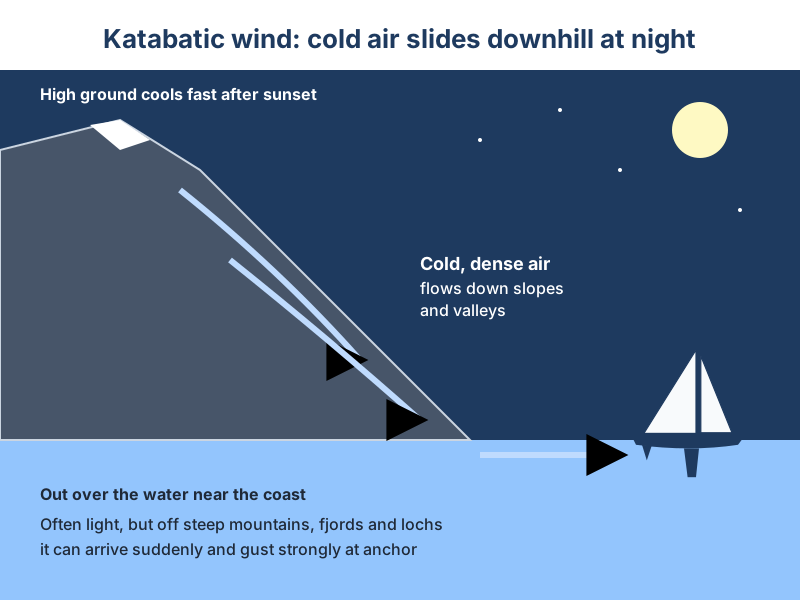
What Is Katabatic Wind? Night Winds Off High Land
What a katabatic wind is, why cold air pours down hills and valleys at night, where sailors meet it in the UK and abroad, and how to stay safe at anchor.
Seamanship & safety
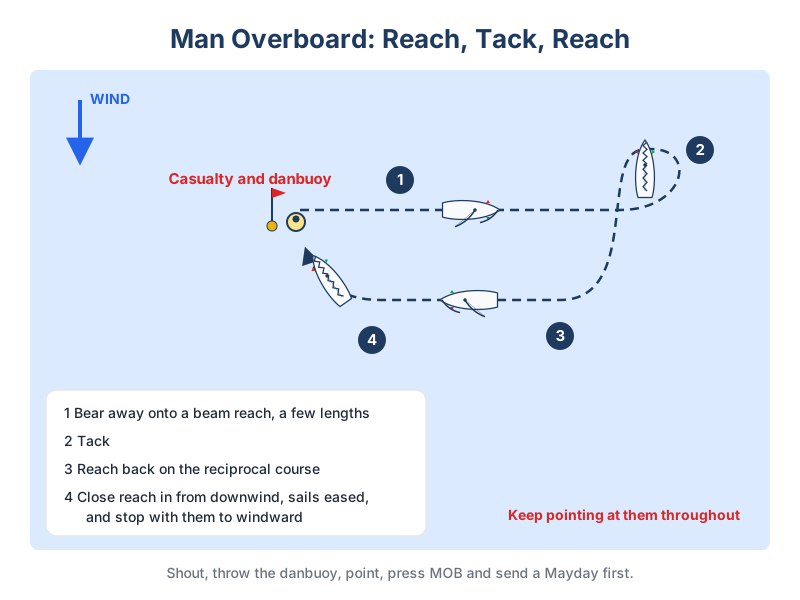
Man Overboard Procedure on a Yacht — Step by Step
What to do if someone falls overboard from a yacht: shout, throw, point, press MOB, call for help, return under sail or power, and get the casualty back aboard.
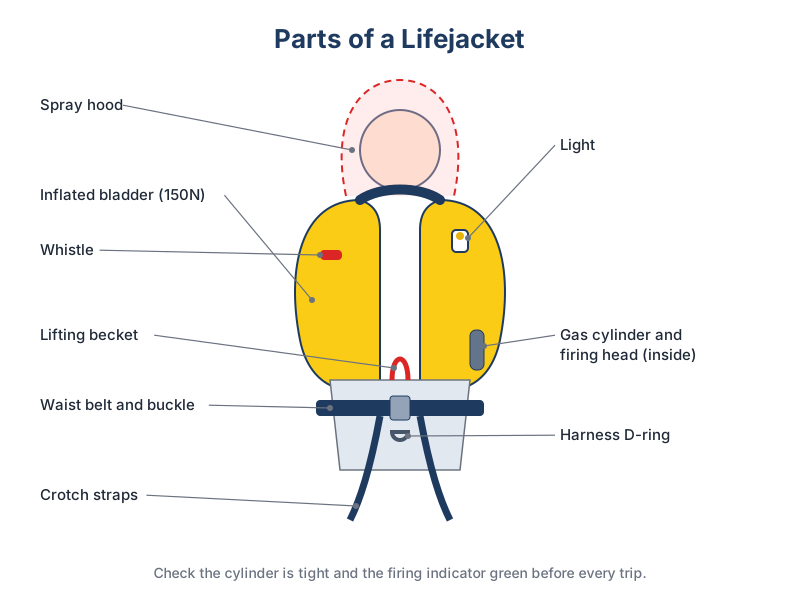
Sailing Lifejackets Explained — 150N vs 275N, Auto vs Manual
How to choose and look after a sailing lifejacket: buoyancy ratings, automatic vs manual inflation, crotch straps, spray hoods, lights and annual servicing.
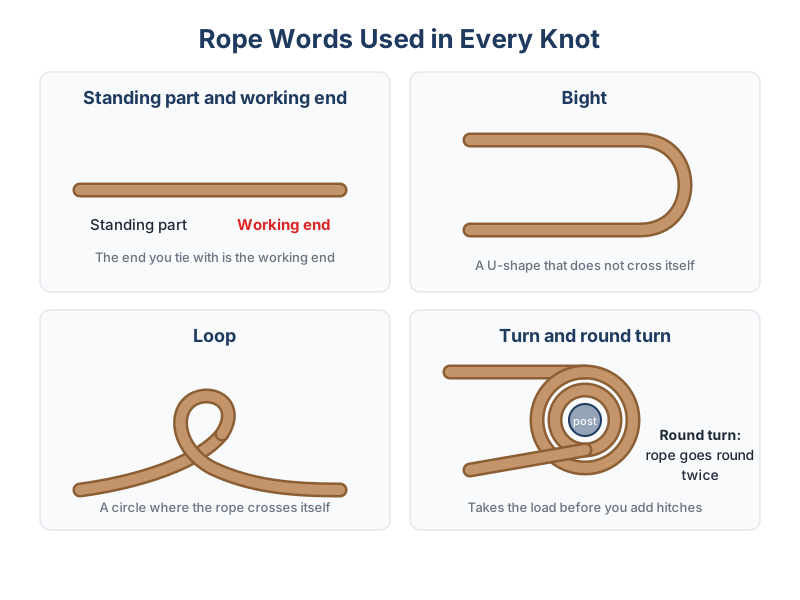
8 Essential Sailing Knots Every Sailor Should Know
The essential sailing knots and what each is for: bowline, round turn and two half hitches, clove hitch, figure of eight, reef knot, sheet bend and more.
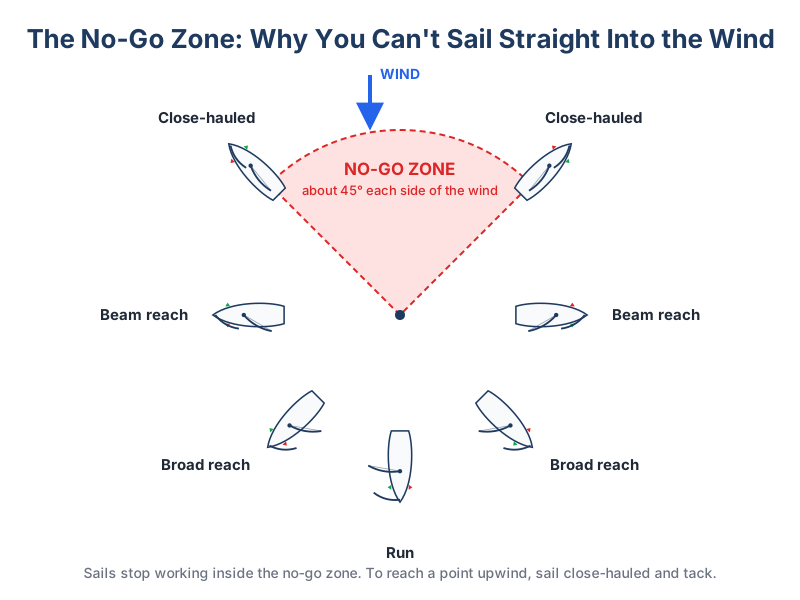
Points of Sail Explained — Close-Hauled to Running
Points of sail for beginners: the no-go zone, close-hauled, reaching and running, plus tacking, gybing and port and starboard tack.
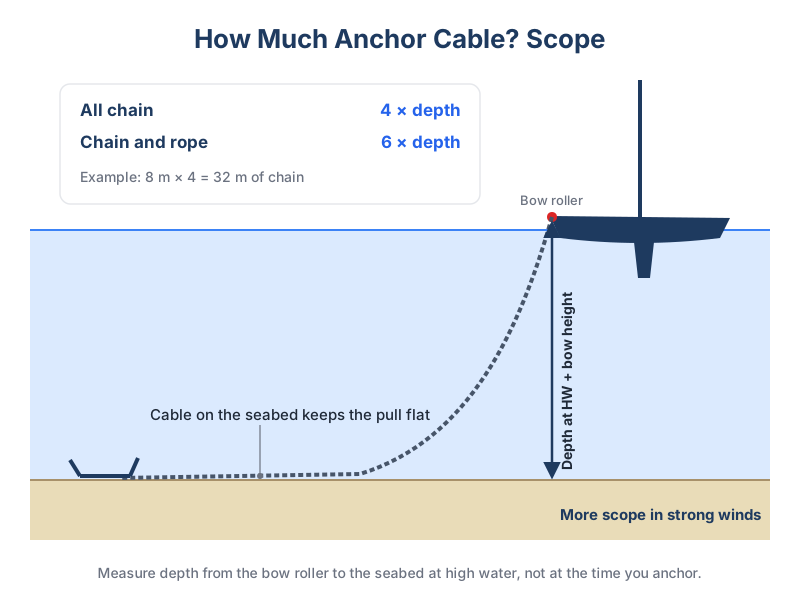
How to Anchor a Yacht — Scope, Holding and Technique
How to anchor a sailing yacht: choosing a spot, scope (4:1 chain, 6:1 rope), setting the anchor, checking it is holding and the anchor signals to show.
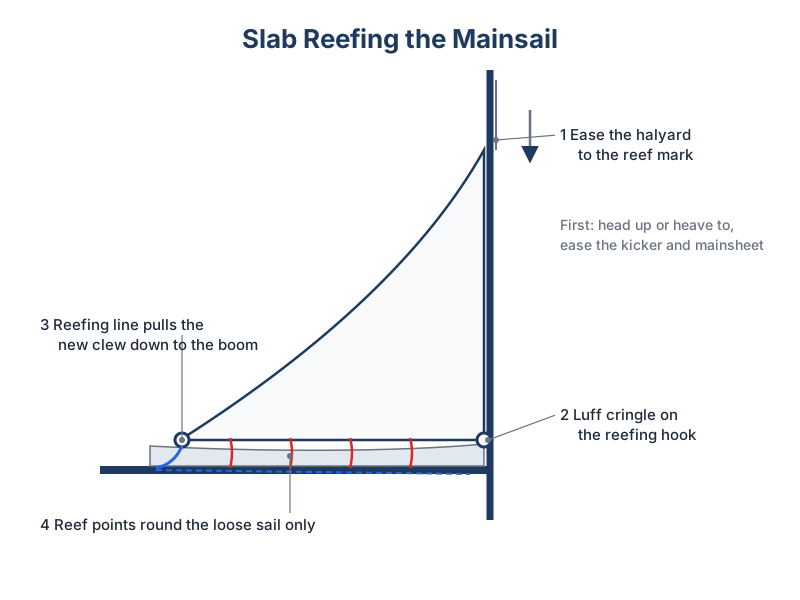
When and How to Reef a Sailing Boat
When to reef a yacht (the first time you think of it), signs you're overpowered, and step-by-step slab reefing for the mainsail and furling the headsail.
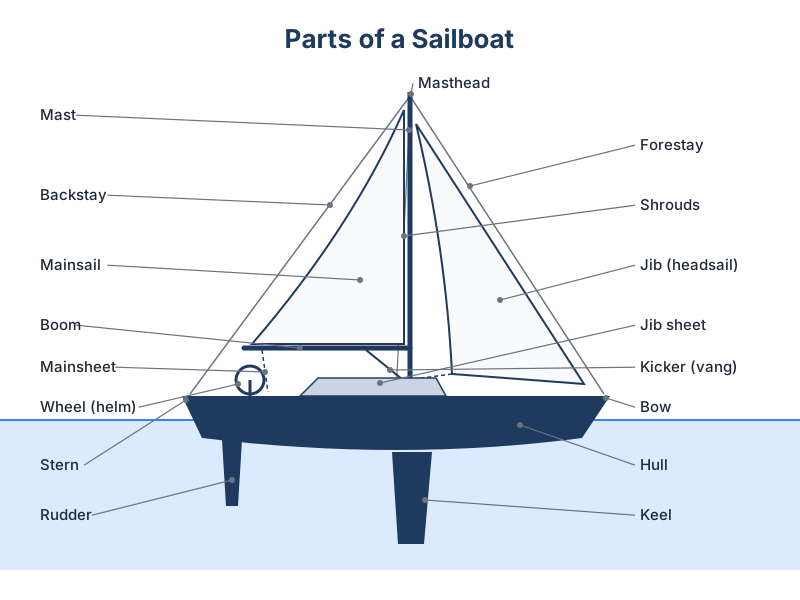
Parts of a Sailboat: Names and Diagram
Every part of a sailboat named and explained with labelled diagrams: hull, keel, rudder, mast, boom, sails, rigging and the parts of a sail.
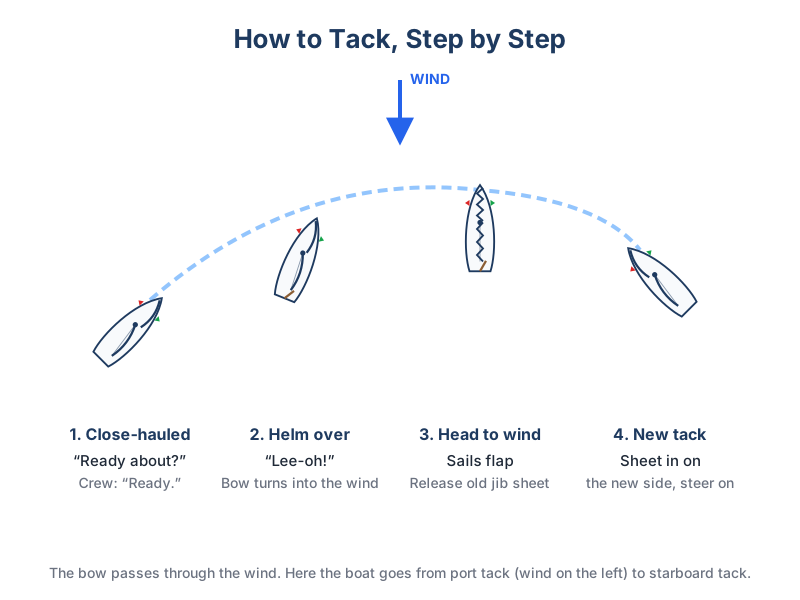
How to Tack and Gybe: Steps and Commands
How to tack and gybe a sailboat step by step, with the crew commands, diagrams, the difference between the two, and how to gybe safely with a preventer.
Can You Sail Into the Wind? Upwind Sailing
Why a sailboat can't sail directly into the wind, how close it can point, how sails make lift, and how to reach a point upwind by beating and tacking.
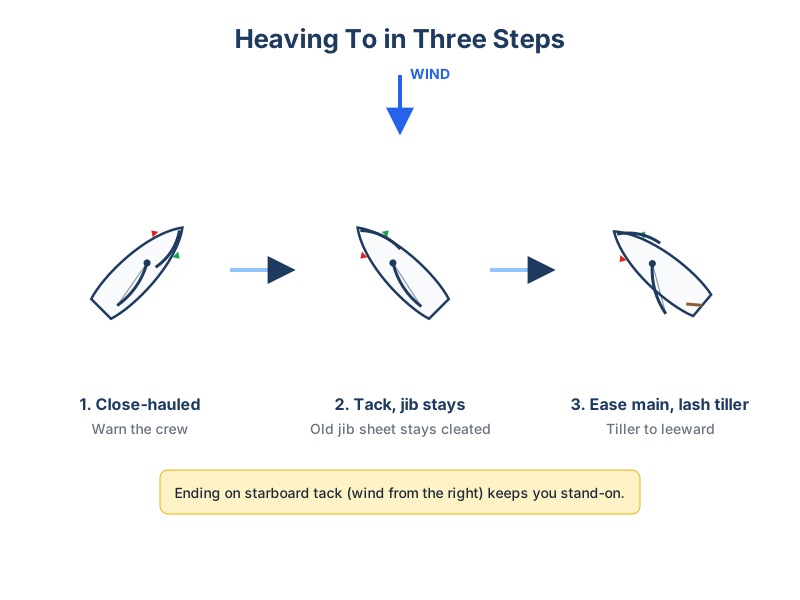
How to Heave To: Step-by-Step Guide
How to heave to in a sailing yacht or dinghy: the steps, how it works, when to use it (reefing, rest, heavy weather, MOB) and how to sail on again.
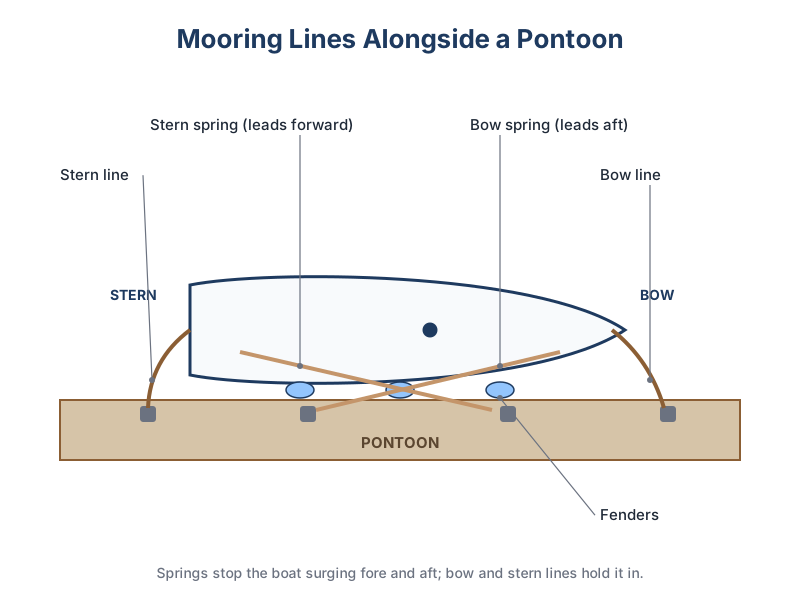
How to Moor a Sailboat: Pontoons and Buoys
How to moor a sailboat alongside a pontoon or on a mooring buoy: approach, mooring lines and springs, wind and tide, and single-handed tips.
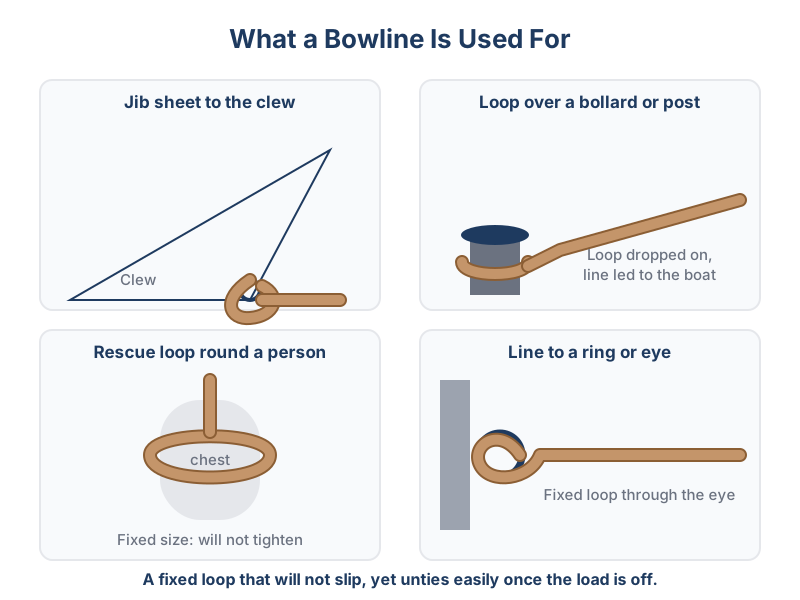
What Is a Bowline Used For? Uses, Strengths and Limits
What a bowline is used for on a boat: tying sheets to a clew, mooring loops, rescue loops and more, plus how to tie it, its weaknesses and safer variations.
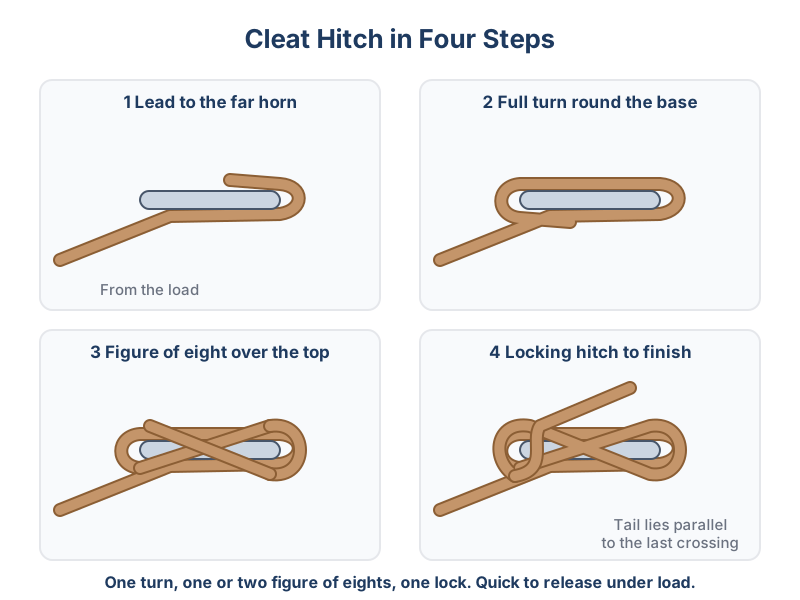
How to Tie a Cleat Hitch on a Boat — Step by Step
How to tie a cleat hitch: lead to the far horn, take a full turn, add figure-of-eight crossings, finish with a locking hitch. Common mistakes and good habits.
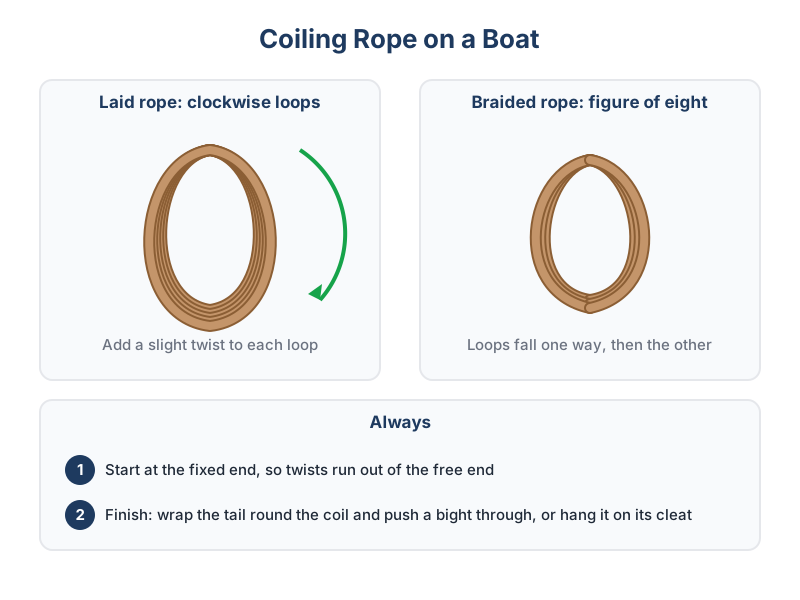
How to Coil a Rope on a Boat — Halyards, Sheets and Lines
How to coil a rope on a boat without kinks: clockwise coils for laid rope, figure-of-eight coils for braid, hanging a halyard coil and stowing mooring lines.
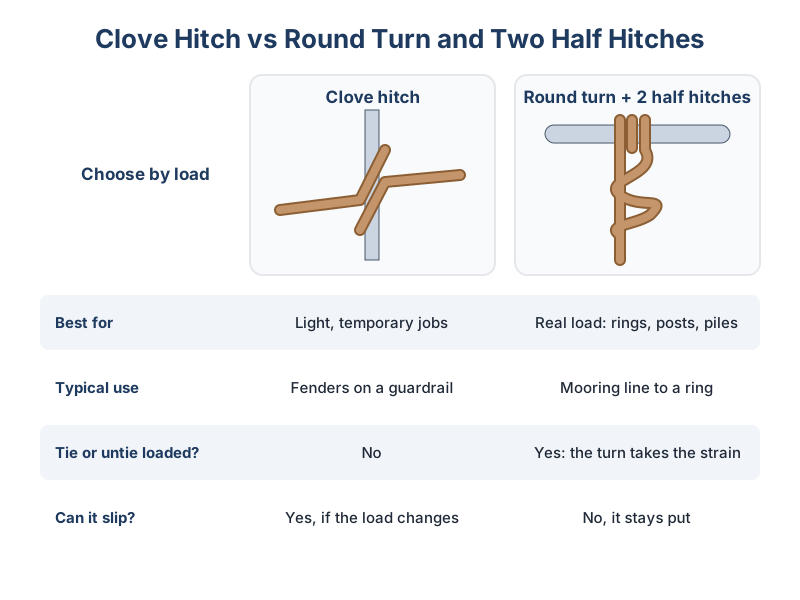
Clove Hitch vs Round Turn and Two Half Hitches
Clove hitch vs round turn and two half hitches: what each knot is for, how they hold, when each can slip, and which to use for fenders, moorings and posts.
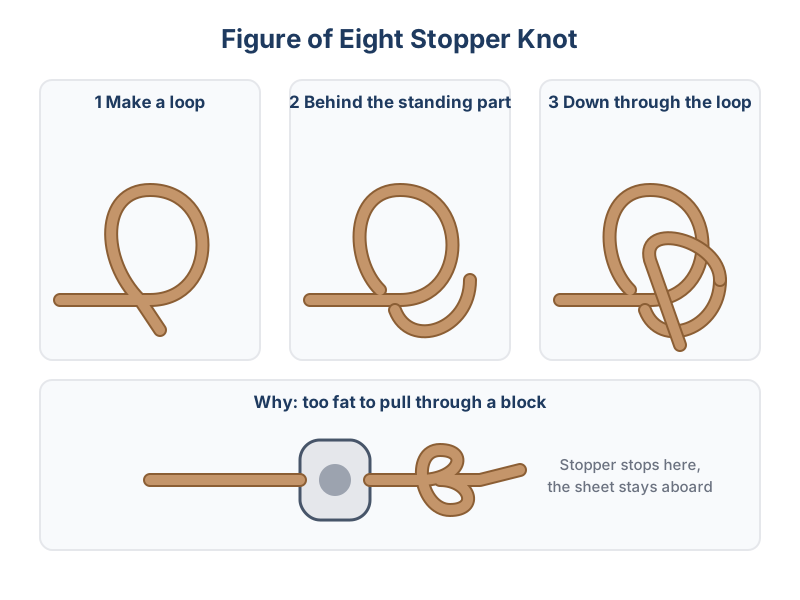
How to Tie a Figure of Eight Stopper Knot on Sheets
How to tie a figure of eight stopper knot in the end of a sheet or halyard, why it stops lines escaping through blocks, and when not to use a stopper at all.
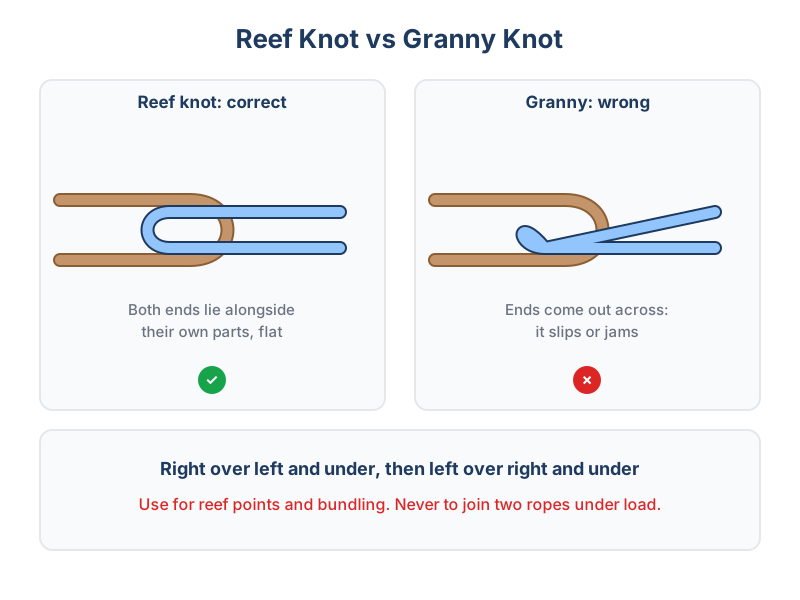
How to Tie a Reef Knot — and When Not to Use It
How to tie a reef knot (square knot): right over left, left over right. What it is for on a boat, how to spot a granny knot, and why not to join ropes with it.
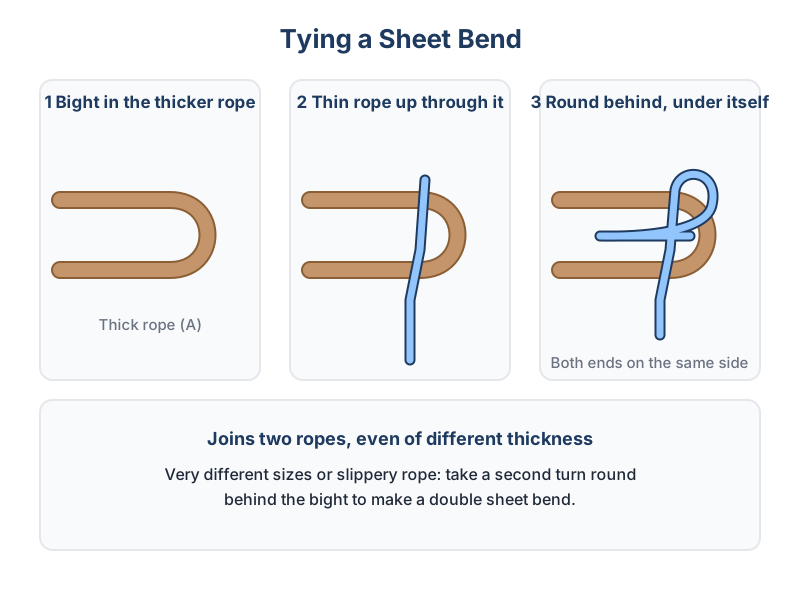
Sheet Bend Knot Explained — Joining Two Ropes Safely
The sheet bend explained: how to tie it, why it joins ropes of different sizes better than a reef knot, the double sheet bend, and when to use two bowlines.
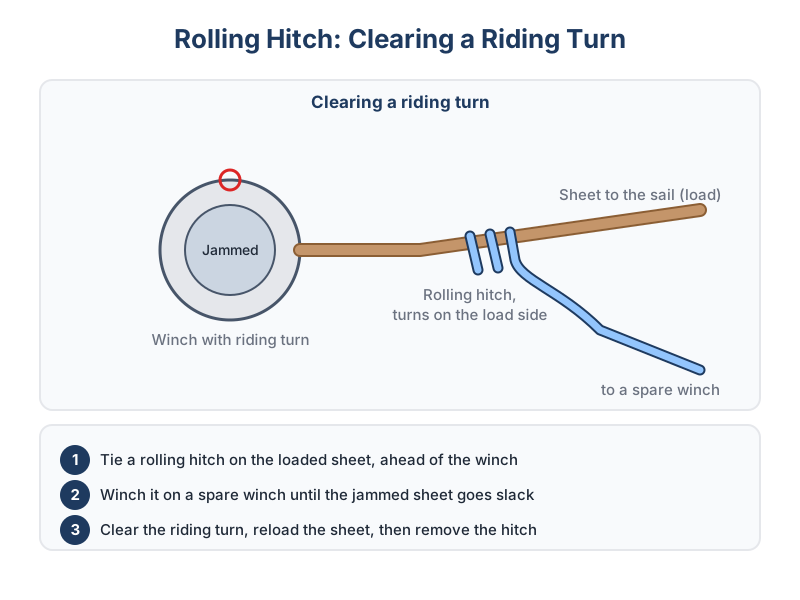
Rolling Hitch Uses — Clearing Riding Turns and More
Rolling hitch uses on a yacht: freeing a riding turn on a winch, taking strain off a loaded line and gripping a spar. How to tie it the right way round.
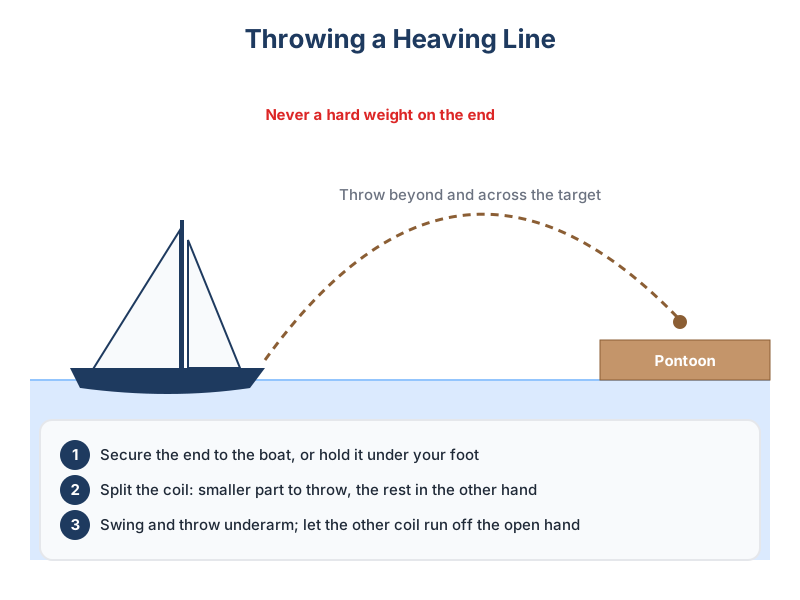
How to Throw a Heaving Line or Mooring Line Accurately
How to throw a heaving line or mooring line: flake it, split the coil between your hands, swing underarm, let it run and keep hold of the end. Stay safe.
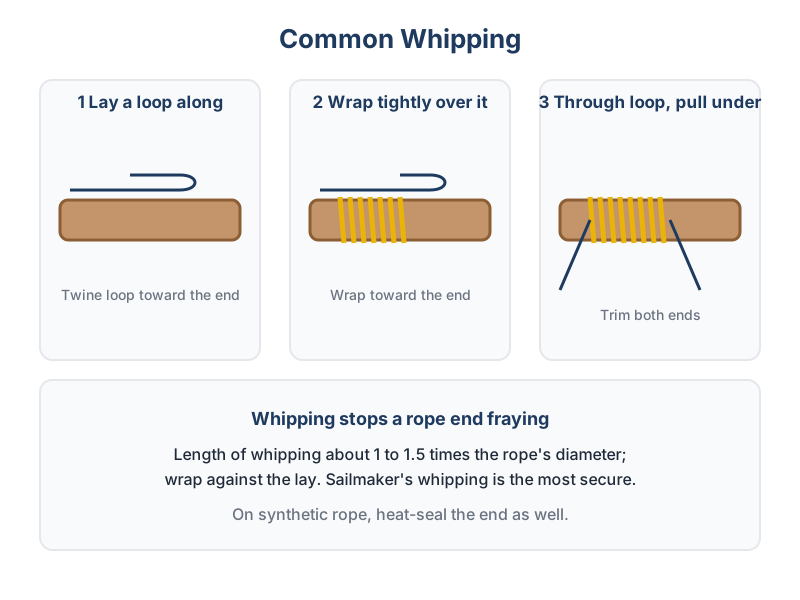
How to Whip a Rope End — Common and Sailmaker's Whipping
How to whip a rope end so it does not fray: a common whipping, the sailmaker's whipping, heat sealing synthetic rope and why tape alone is only temporary.
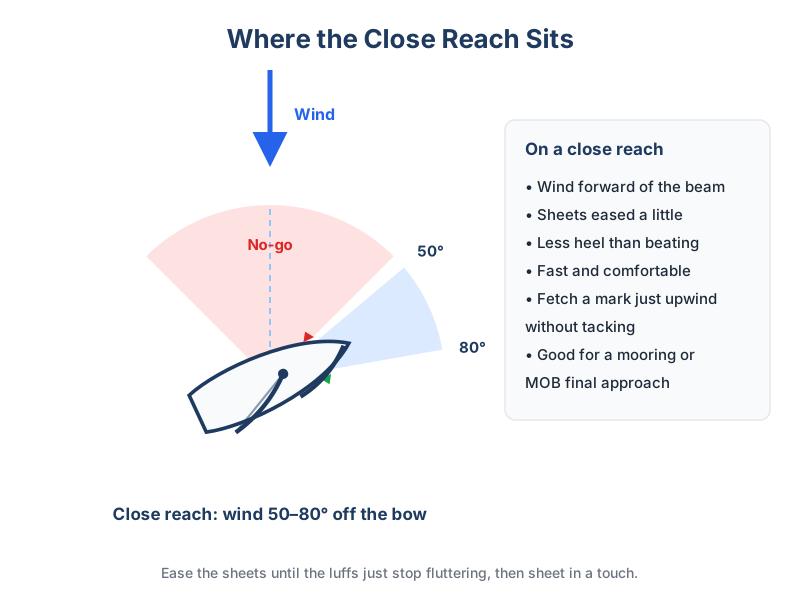
What Is a Close Reach? Sailing Between Close-Hauled and Beam
A close reach is the point of sail between close-hauled and a beam reach, with the wind forward of the beam. How to trim for it, why it is fast and when to use it.
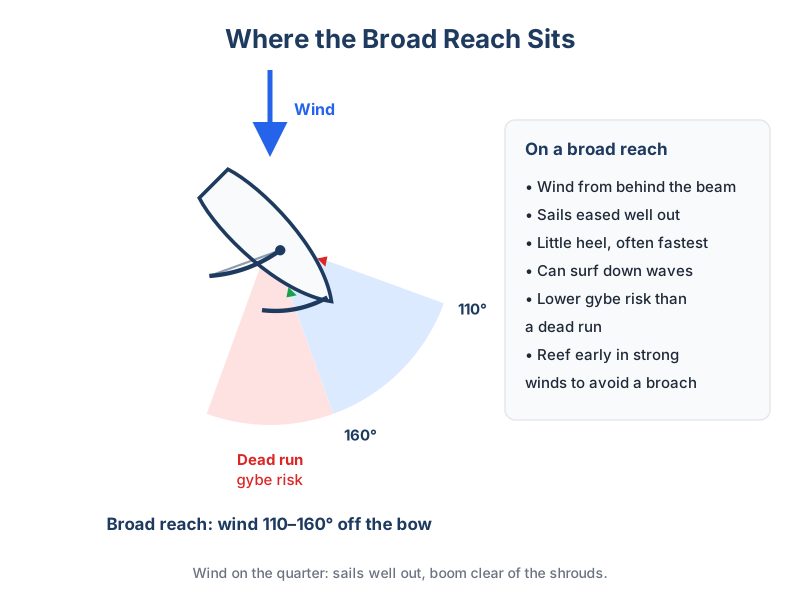
What Is a Broad Reach? Point of Sail Explained
A broad reach is sailing with the wind behind the beam but not dead astern. How to trim, why it is fast and stable, and how to avoid broaching or an accidental gybe.
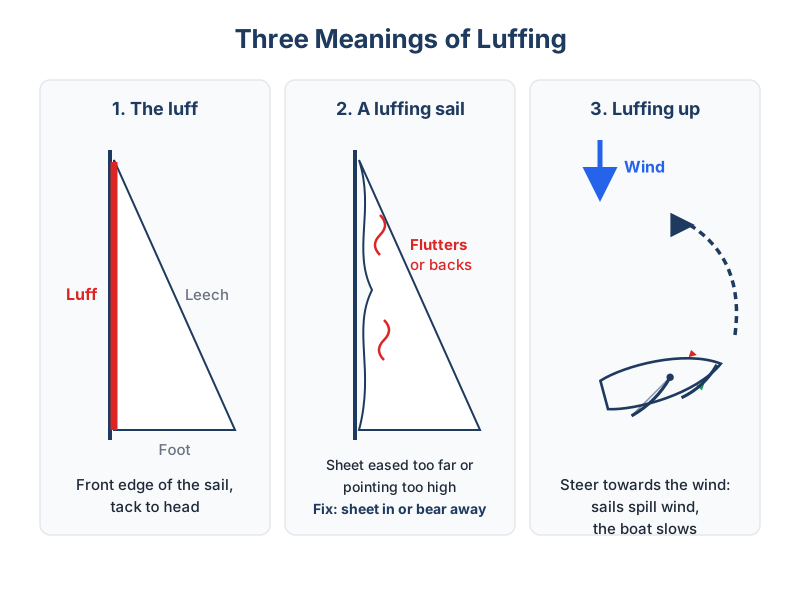
What Does Luffing Mean in Sailing? All Three Meanings
Luffing means three things in sailing: the front edge of a sail, a sail fluttering because it is under-trimmed, and steering towards the wind.
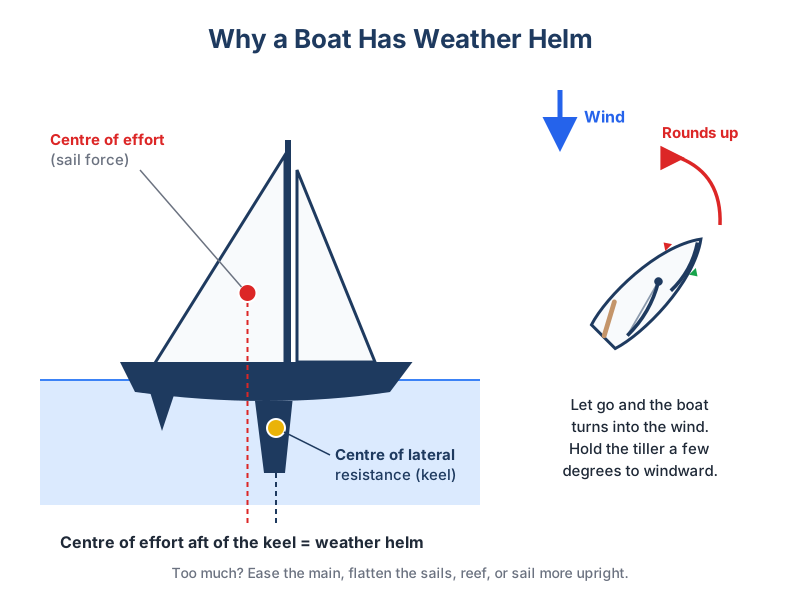
What Is Weather Helm? Causes and How to Reduce It
Weather helm is a sailboat's tendency to turn into the wind. Why a little is good, what causes too much, and how to reduce it with sail trim, reefing and heel.
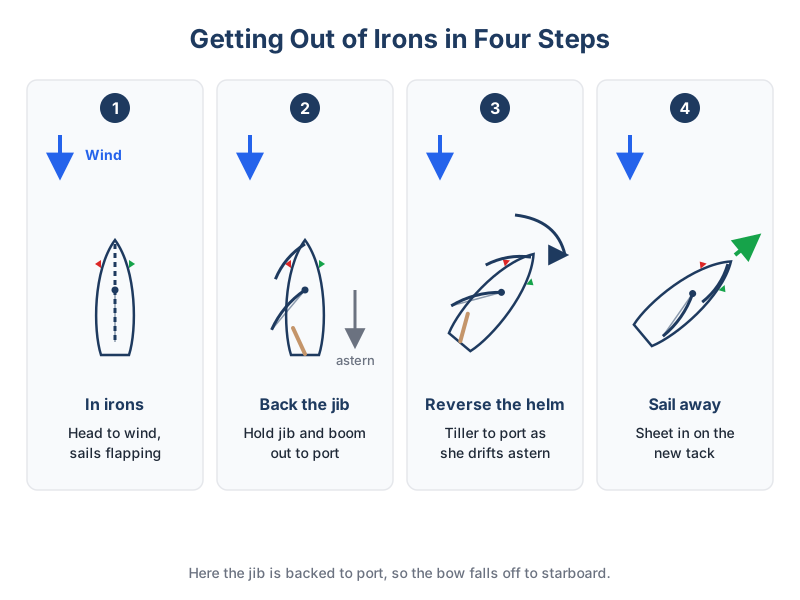
How to Get Out of Irons When Sailing: Step by Step
Stuck head to wind with flapping sails? How to get out of irons in a dinghy or yacht: back the jib, push the boom out, steer in reverse, and avoid it next time.
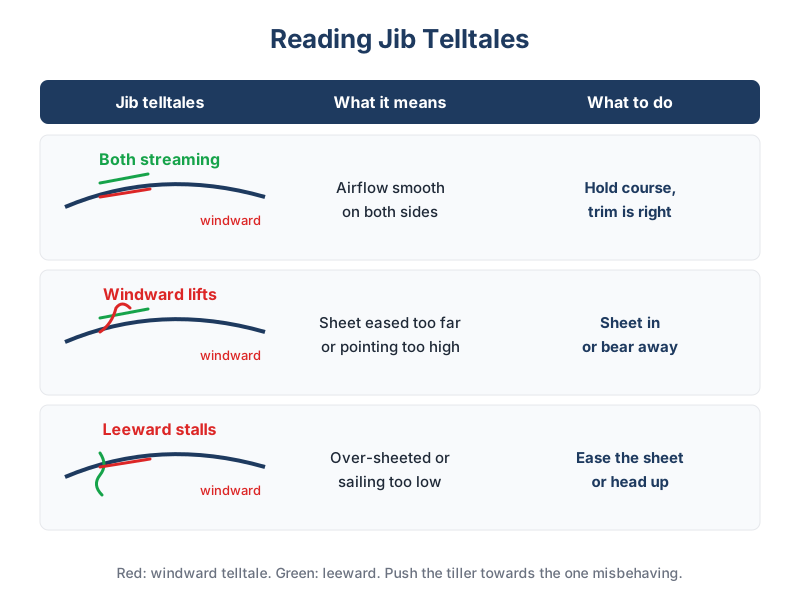
How to Use Telltales on a Sailboat: Jib and Main Trim
How to read sail telltales: what streaming, lifting and stalling mean on the jib and main, how to trim or steer to fix them, and where telltales should be fitted.
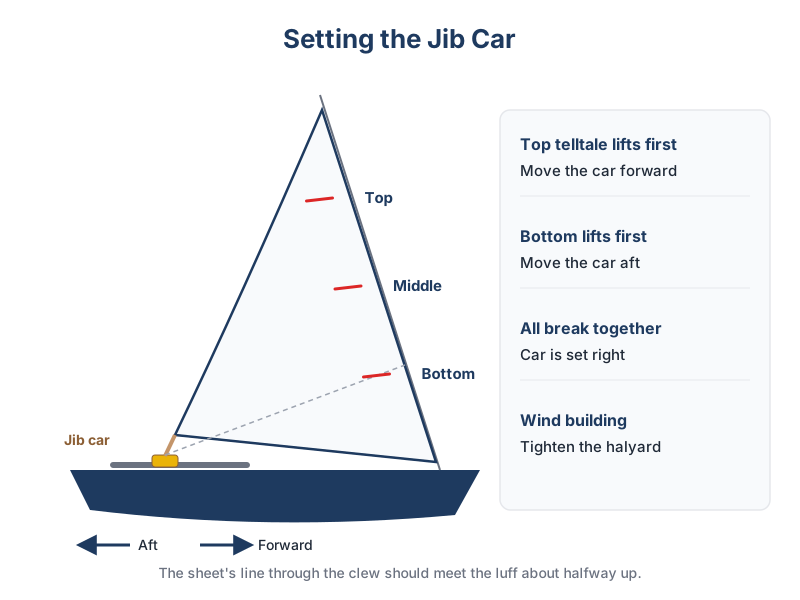
How to Trim a Jib: Sheet, Car Position and Halyard
How to trim a jib or genoa step by step: sheet tension with telltales, jib car position for twist, halyard tension, and trim in gusts.
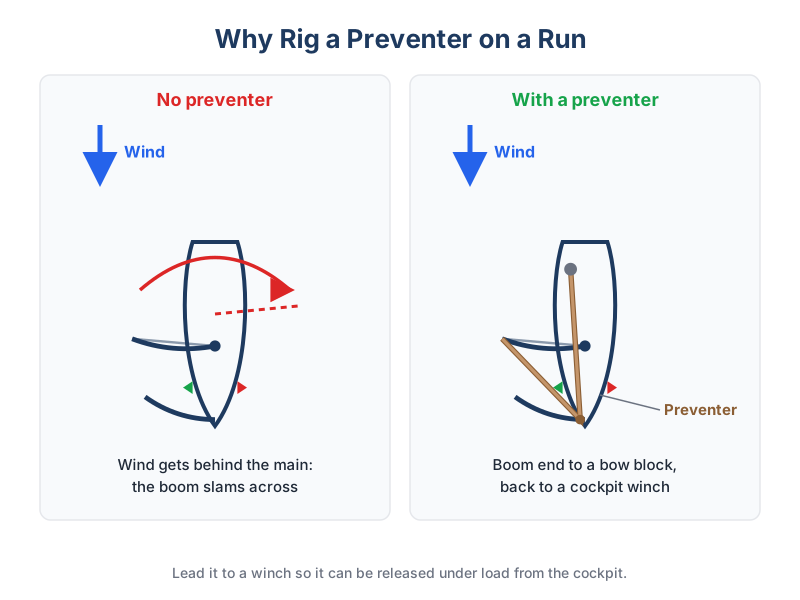
What Is a Preventer on a Sailboat? How to Rig One Safely
A preventer is a line that holds the boom out when sailing downwind to stop an accidental gybe. How to rig one safely, preventer vs boom brake, and common mistakes.
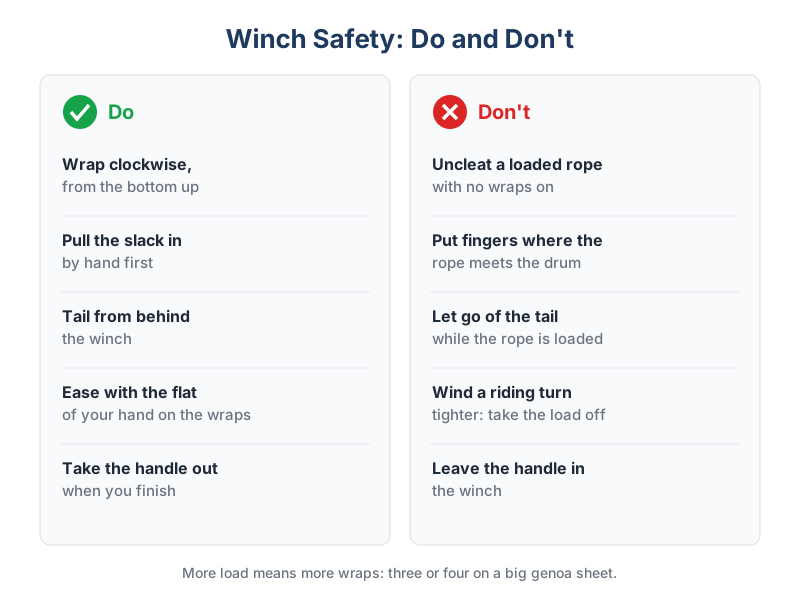
How to Use a Winch Safely: Wraps, Tailing, Riding Turns
How to use a sailing winch safely: wraps on clockwise, tailing, the handle, easing under load, clearing a riding turn and protecting fingers.
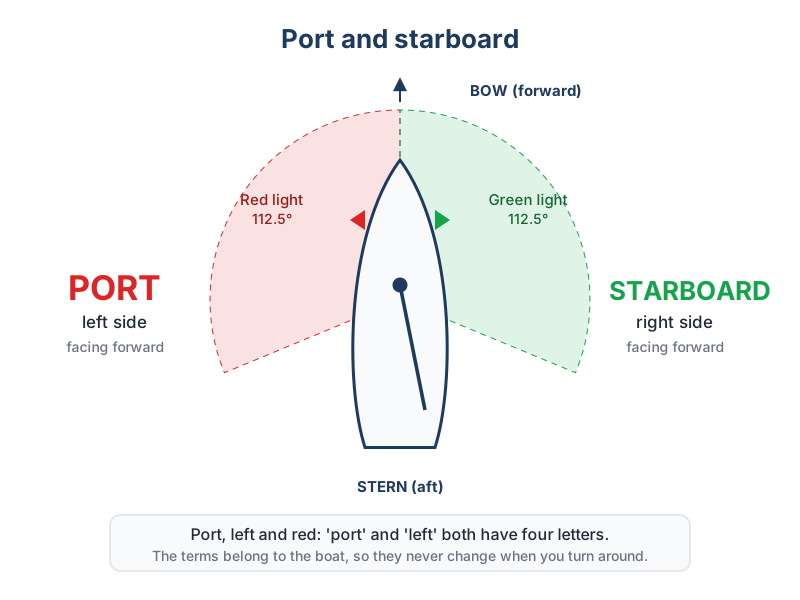
What Does Port and Starboard Mean on a Boat?
Port is the left side of a boat and starboard the right, looking forward. Learn where the words come from, how to remember them and why sailors use them.
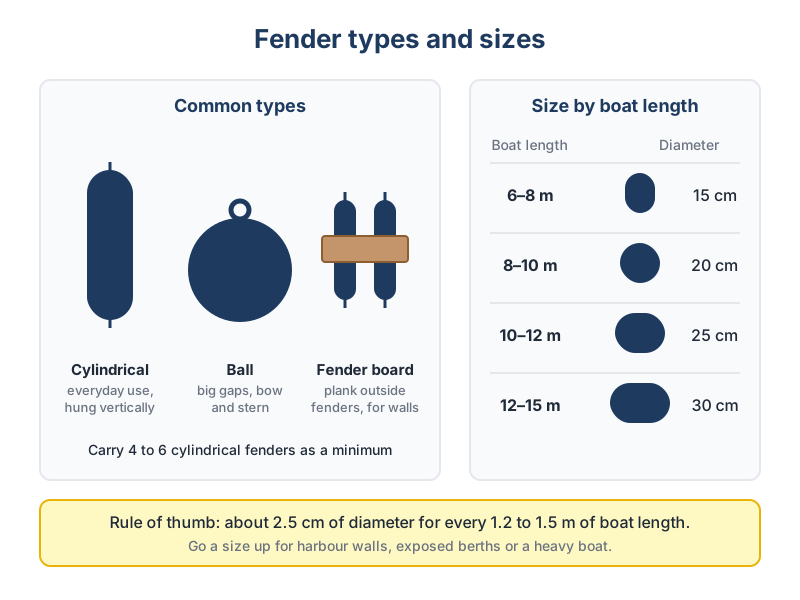
What Is a Fender on a Boat? Types, Sizes and Uses
A fender is a cushion hung over a boat's side to protect the hull from pontoons, walls and other boats. See the main types, how to size them and how many to carry.
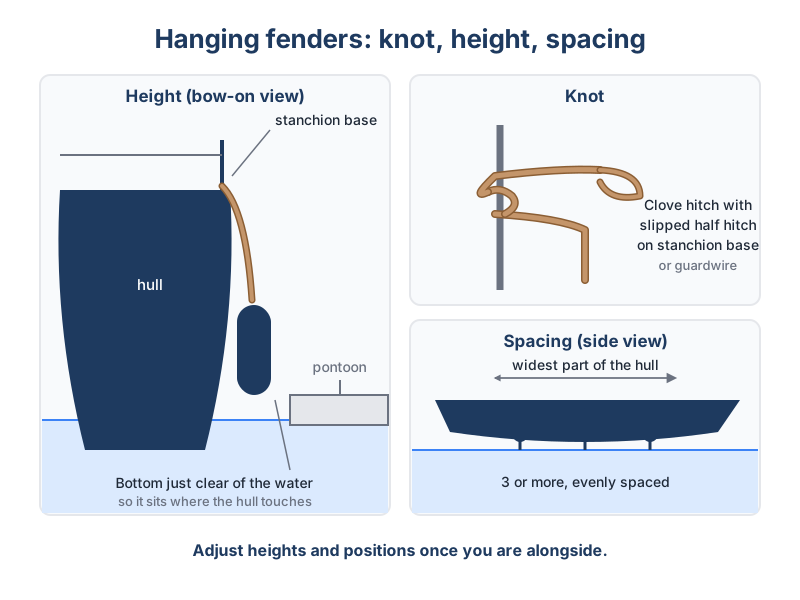
How to Tie Fenders to a Boat: Knots, Height and Position
How to tie fenders to a boat: which knot to use, where to attach them, how to set the right height for a pontoon or wall, and the mistakes to avoid when berthing.
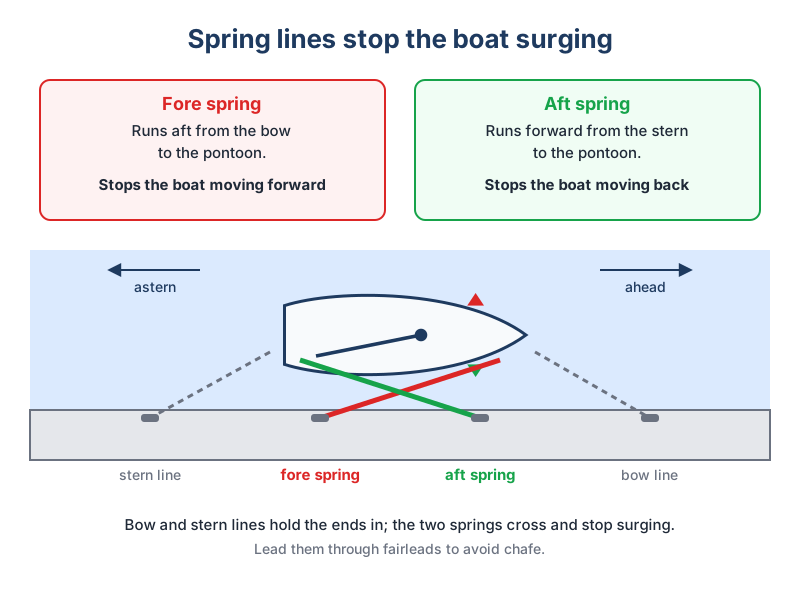
What Are Spring Lines on a Boat and How Do They Work?
Spring lines stop a moored boat surging forward and aft along a pontoon. Learn the fore and aft springs, how to rig them and how springs help you berth and leave.
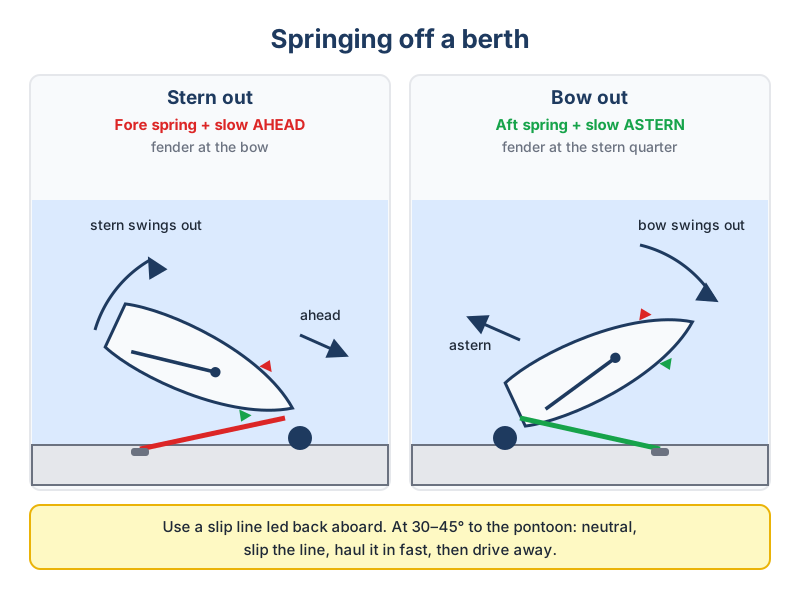
How to Leave a Berth Using a Spring Line
How to leave a pontoon berth when wind or tide pins you on: springing off the bow or stern, rigging a slip line and how much power to use.
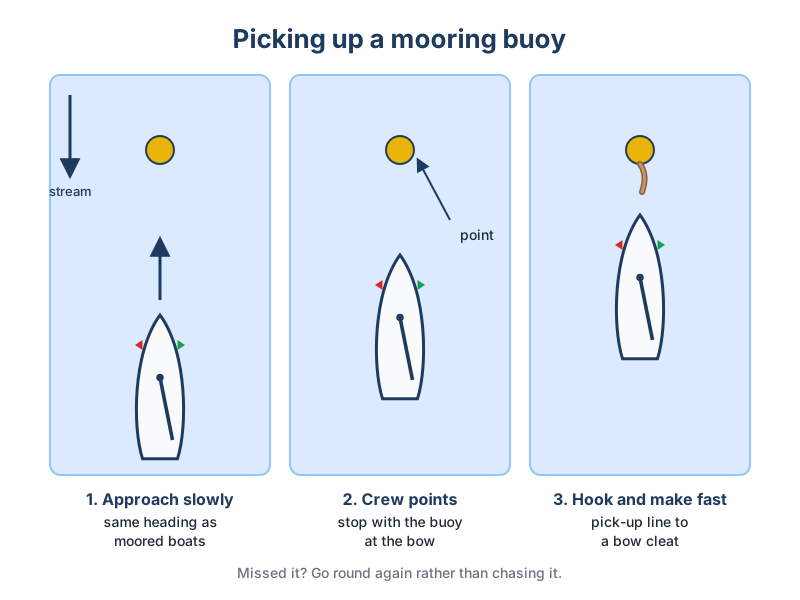
How to Pick Up a Mooring Buoy Under Power or Sail
How to pick up a mooring buoy: judging wind and tide, the slow approach, using a boathook, securing the pick-up line and what to do if you miss it first time.
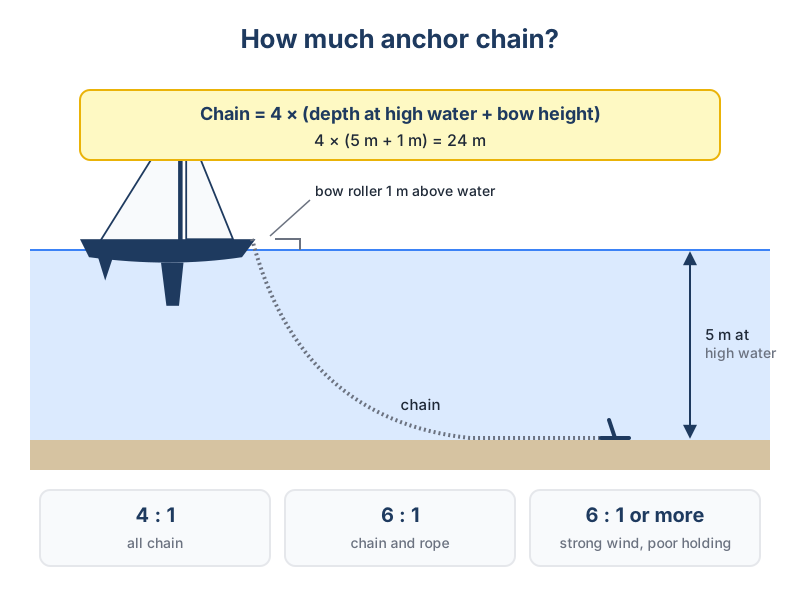
How Much Anchor Chain to Let Out: Scope Explained
How much anchor chain to let out: work out depth at high water plus freeboard, then use a scope of at least 4:1 for chain and 6:1 for rope, more in strong winds.
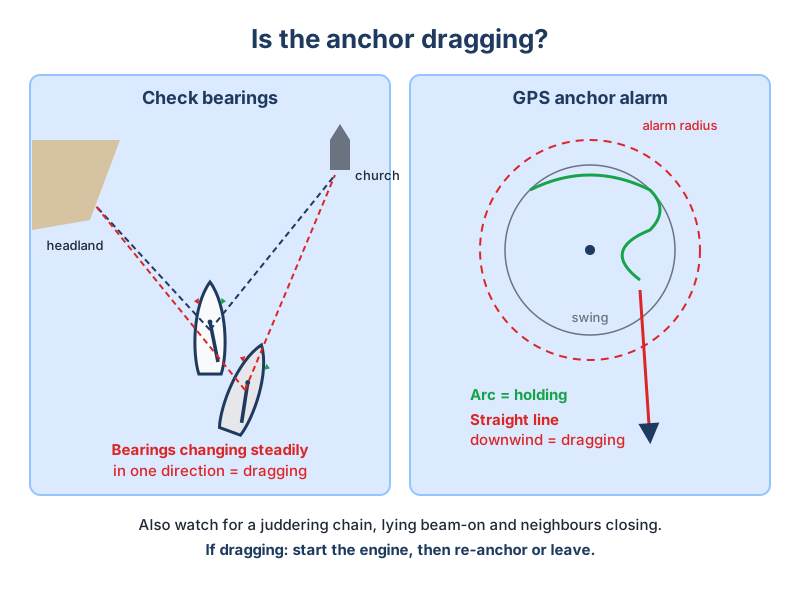
How to Tell if Your Anchor Is Dragging (and What to Do)
How to tell if your anchor is dragging: transits, anchor alarms, chain feel and GPS track. Plus what to do straight away if the boat is moving and how to prevent it.
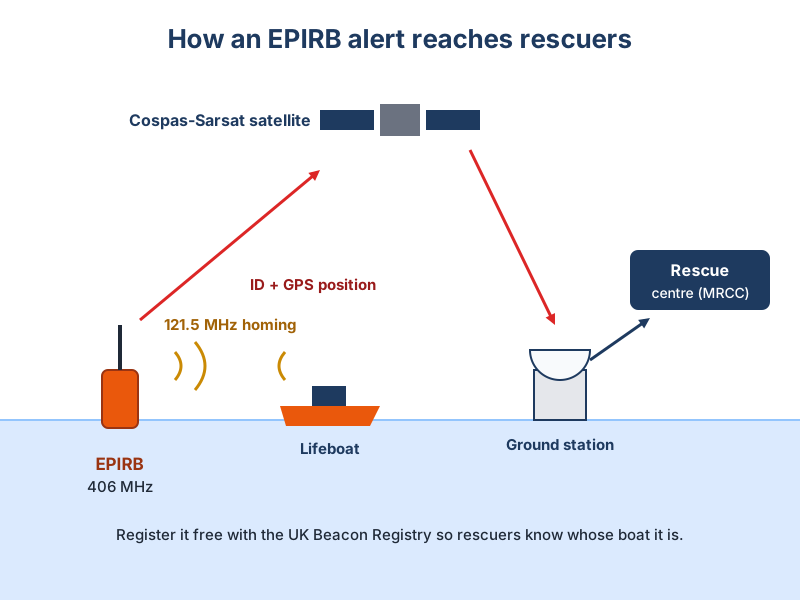
What Is an EPIRB? Emergency Beacons for Boats Explained
What an EPIRB is, how 406 MHz beacons alert rescuers by satellite, Category I vs II, registering in the UK, battery life and how an EPIRB differs from a PLB.
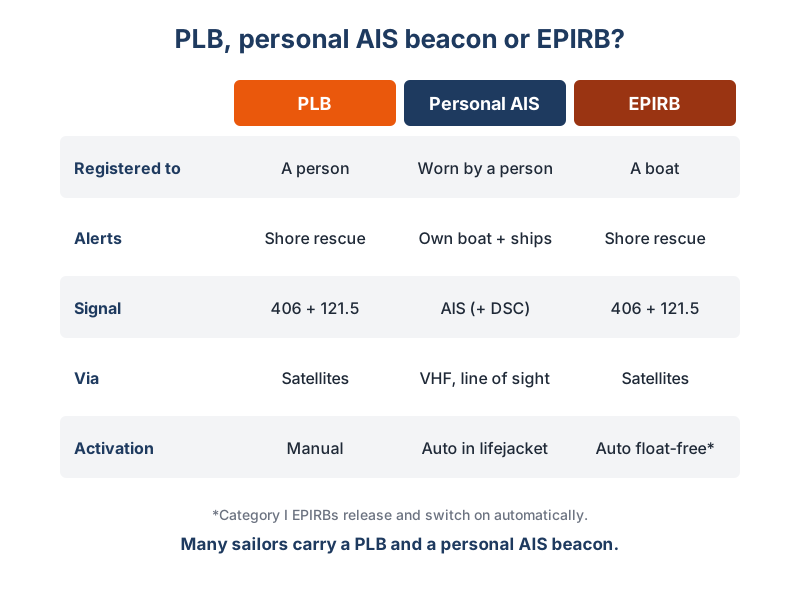
What Is a PLB? Personal Locator Beacons for Sailors
What a PLB personal locator beacon is, how it alerts rescuers by satellite, PLB vs personal AIS beacon vs EPIRB, wearing one on your lifejacket and registration.
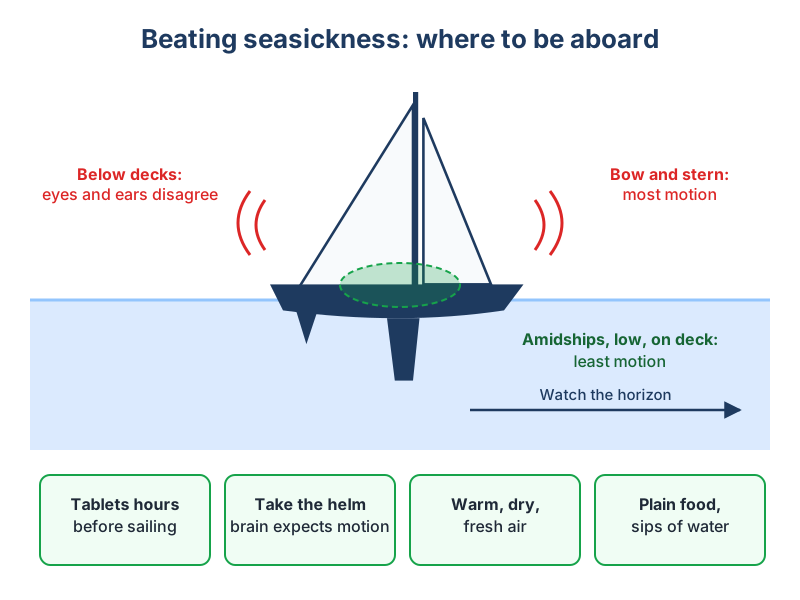
How to Avoid Seasickness Sailing — Practical Tips That Work
How to avoid seasickness when sailing: take medication early, stay warm and on deck, watch the horizon, eat plain food, keep busy, and know what to do if it strikes.
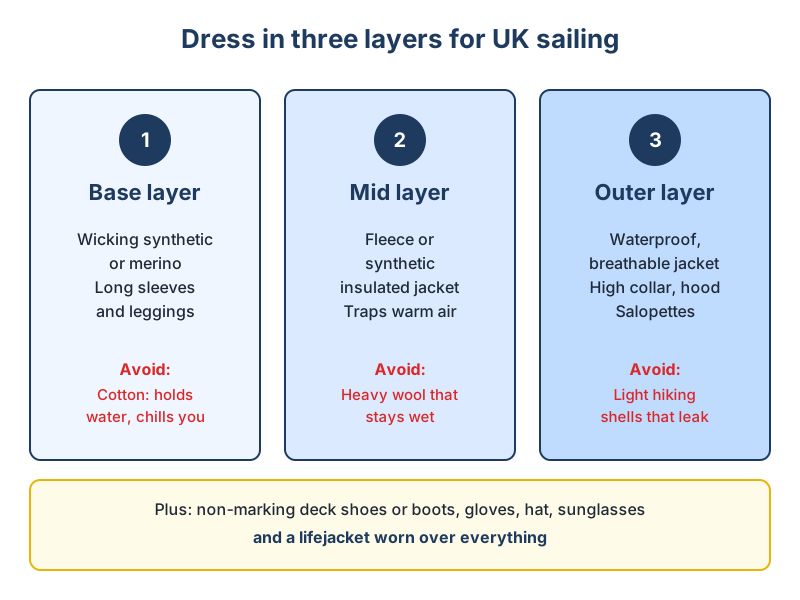
What to Wear Sailing in the UK — Layers, Oilskins and Boots
What to wear sailing in the UK: a base layer, a warm mid layer and waterproof oilskins, plus non-marking deck shoes or boots, gloves, a hat and a lifejacket.
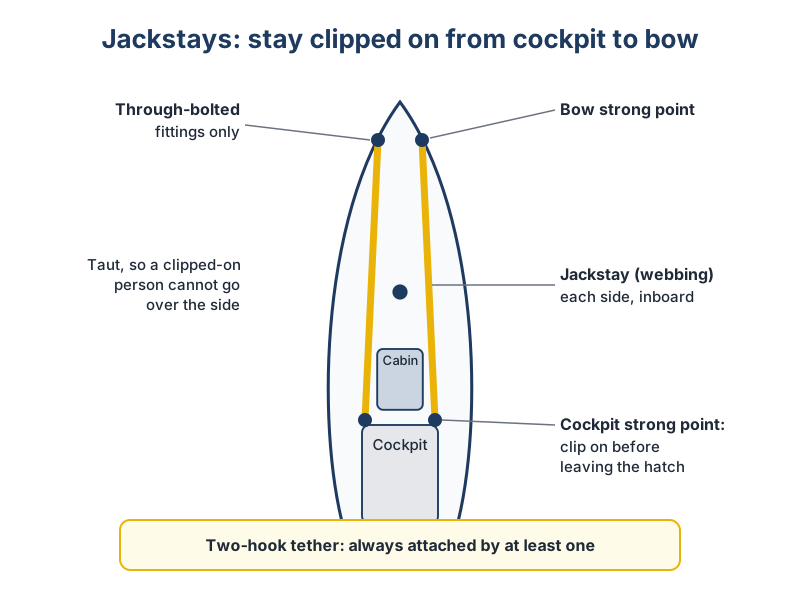
What Is a Jackstay on a Sailing Boat? Uses and Rigging
A jackstay is a strong line or webbing strap run along a yacht's deck so crew can clip on their harness tether and move fore and aft without unclipping.
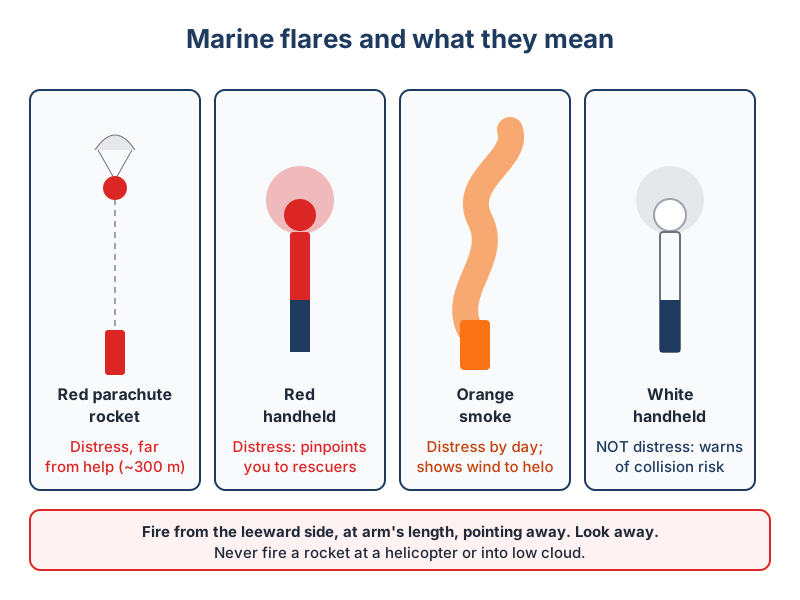
How to Use a Flare on a Boat — Types and Safe Firing
How to use marine distress flares safely: the types of flare, when to use each, how to fire them downwind, and how to dispose of out-of-date pyrotechnics.
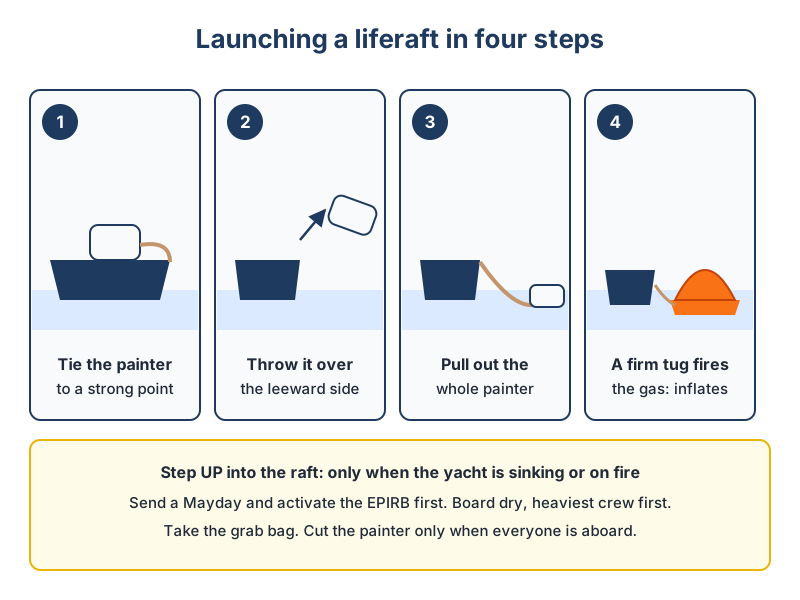
What Is a Liferaft and How Does It Work? A Sailor's Guide
What a liferaft is, how it inflates when you pull the painter, how to launch and board one, what is inside, and why you only step up into it as a last resort.
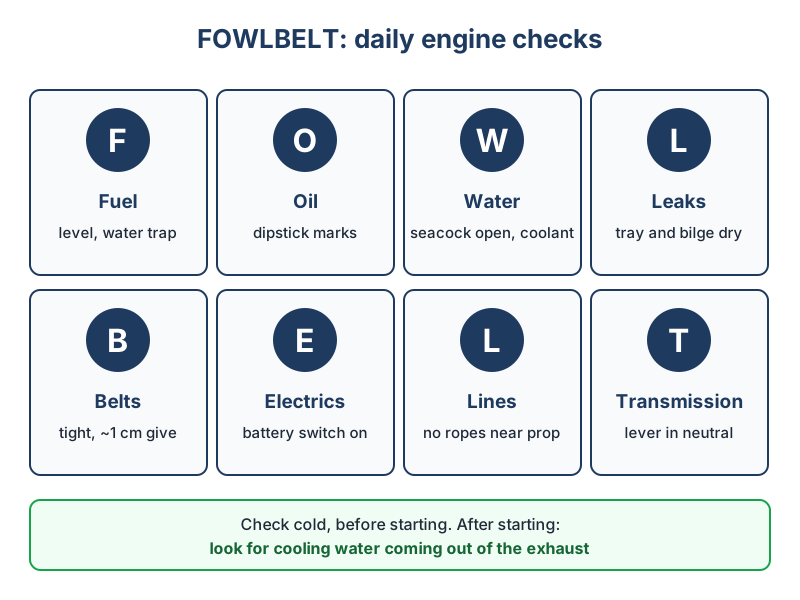
How to Check a Boat Engine Before Sailing — The Daily Checks
How to check a yacht's diesel engine before sailing: the FOWLBELT checks for fuel, oil, water, leaks, belts, electrics, lines in the water and transmission.
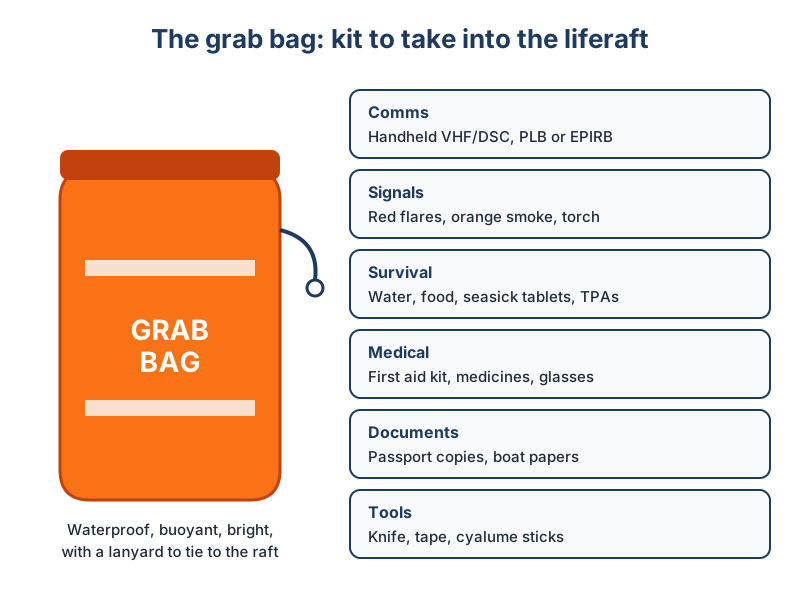
What Is a Grab Bag on a Boat? What to Pack and Where
A grab bag is a waterproof, buoyant bag of survival kit you take if you abandon ship: handheld VHF, PLB, flares, water, first aid, torch and documents.
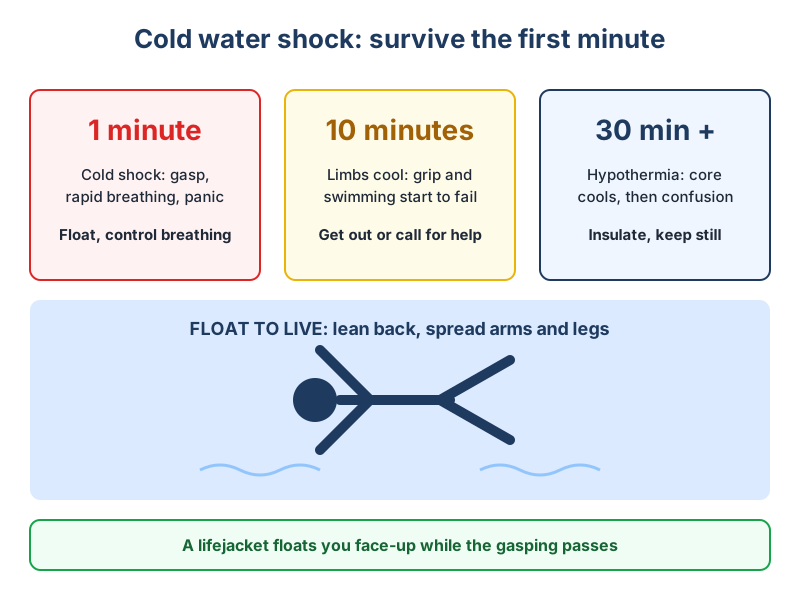
Cold Water Shock Explained — What Happens and How to Survive
Cold water shock explained: why sudden immersion in water below 15°C causes gasping and panic, the 1-10-1 principle, and how a lifejacket and 'float to live' help.
Radio & communication
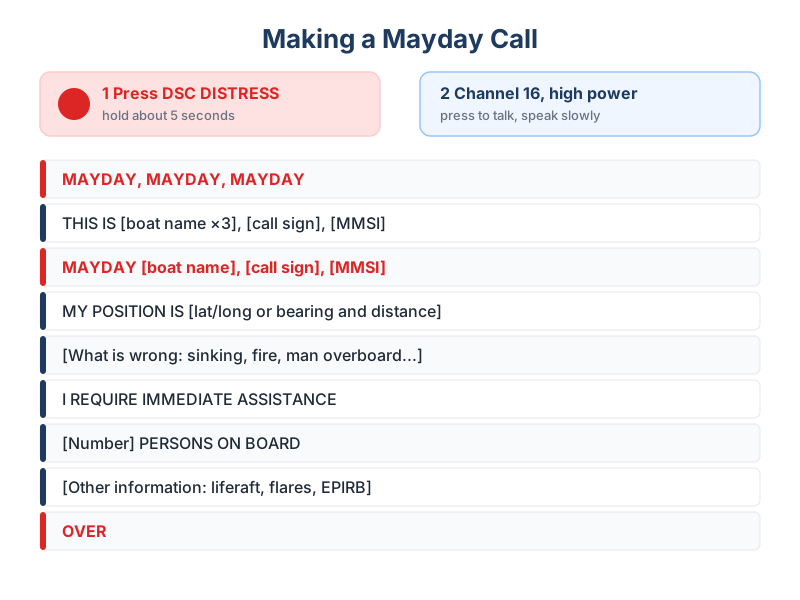
How to Make a Mayday Call on VHF — Exact Words to Use
The Mayday procedure on a marine VHF: DSC distress alert, the exact voice call, what counts as a Mayday vs a Pan-Pan, and how to cancel a false alert.
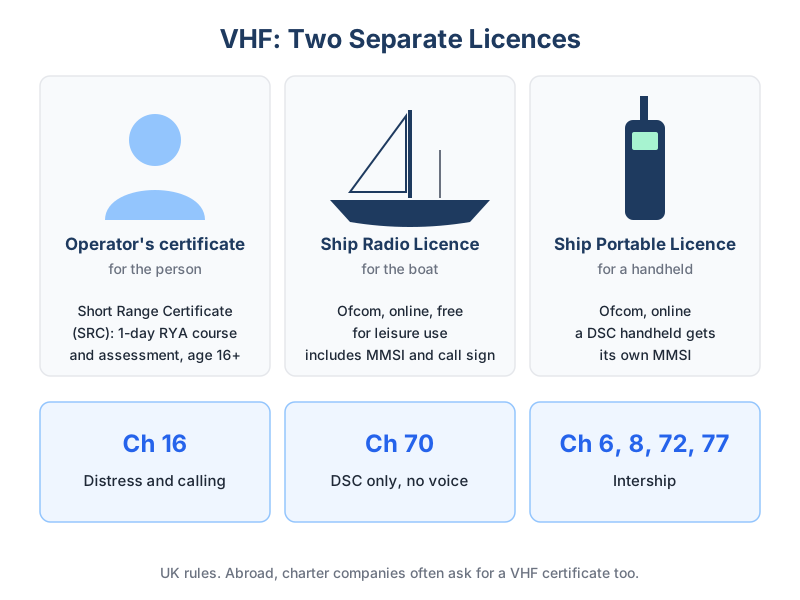
Do I Need a VHF Radio Licence? The SRC Explained (UK)
Which licences you need to use a marine VHF in the UK: the operator's Short Range Certificate (SRC), the Ofcom Ship Radio Licence and MMSI, and portable licences.
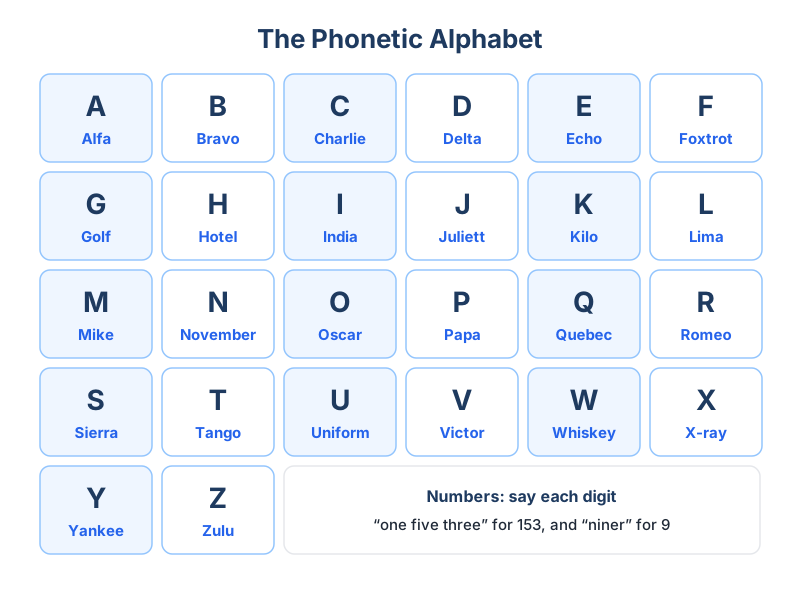
The Phonetic Alphabet for Sailors — Alfa to Zulu
The NATO / ITU phonetic alphabet used on marine VHF, with pronunciation, how to say numbers on the radio, and when to use 'I spell'.
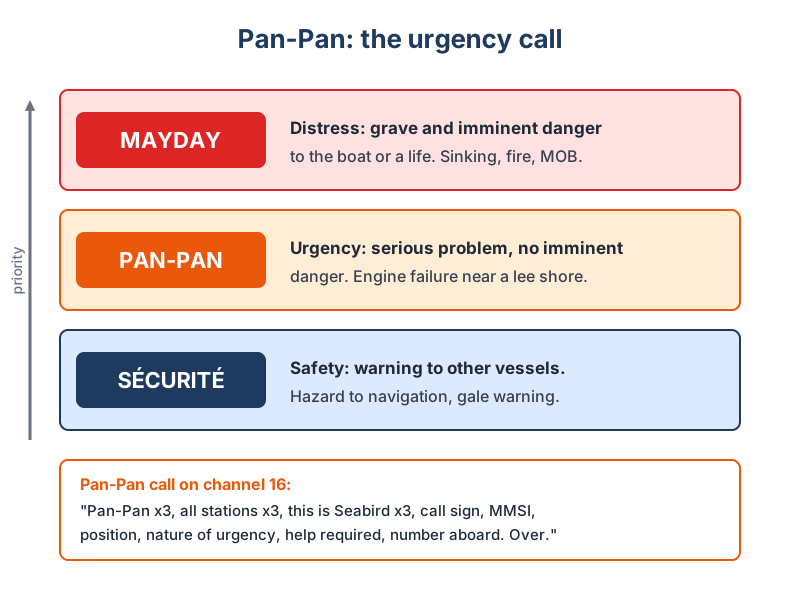
What Is a Pan-Pan Call? Urgency Calls on VHF Explained
What a Pan-Pan urgency call is, when to use it instead of a Mayday, the exact VHF wording, the DSC urgency alert and what the coastguard will do in response.
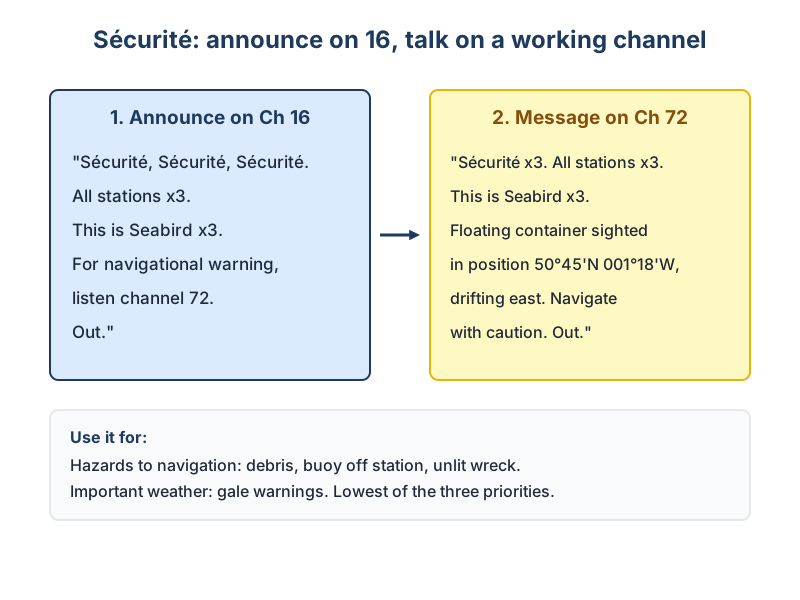
What Is a Sécurité Call? VHF Safety Messages Explained
What a Sécurité call is, when to send one, the correct VHF wording and channels, and how to listen to coastguard safety broadcasts and navigational warnings.
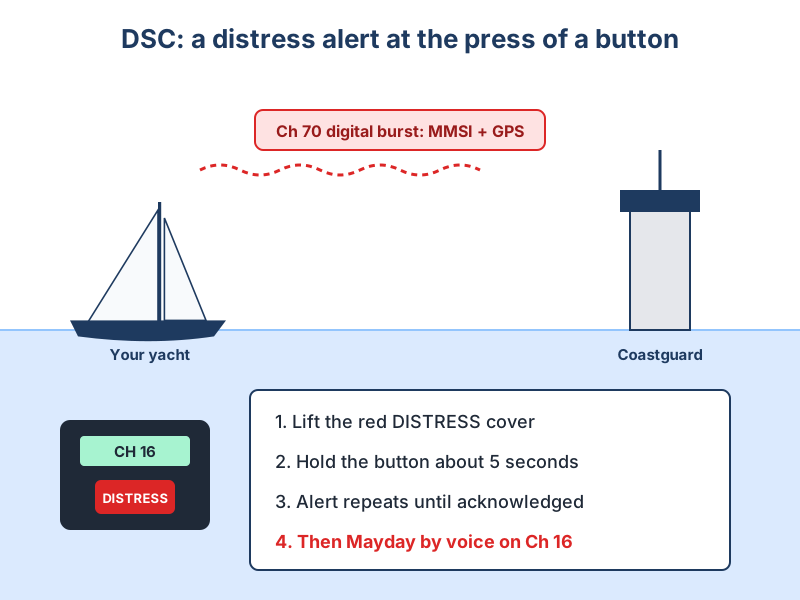
What Is DSC on a VHF Radio? Digital Selective Calling
What Digital Selective Calling (DSC) does on a marine VHF: the red distress button, channel 70, individual and group calls, MMSI numbers and connecting GPS.
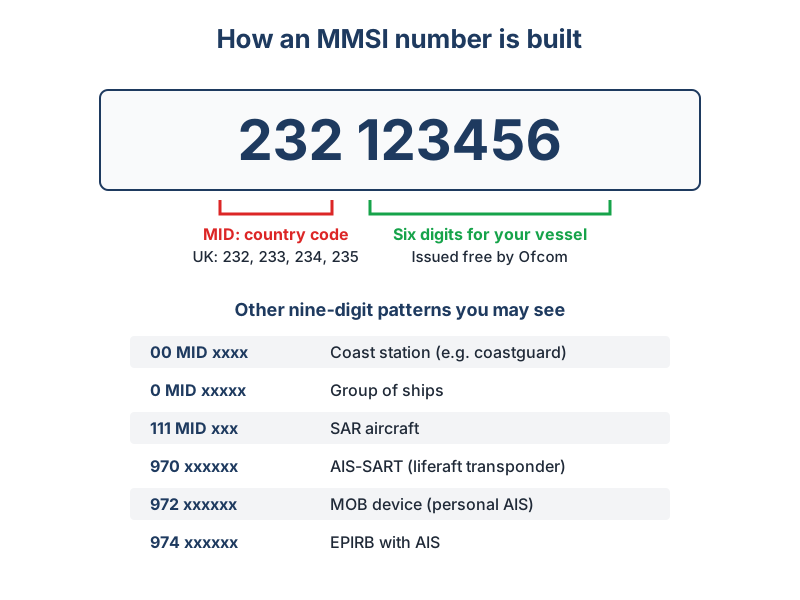
What Is an MMSI Number? How to Get One for Your Boat
What an MMSI number is, how the nine digits are structured, how to get one free from Ofcom in the UK, and why your DSC radio and AIS need it programmed in.
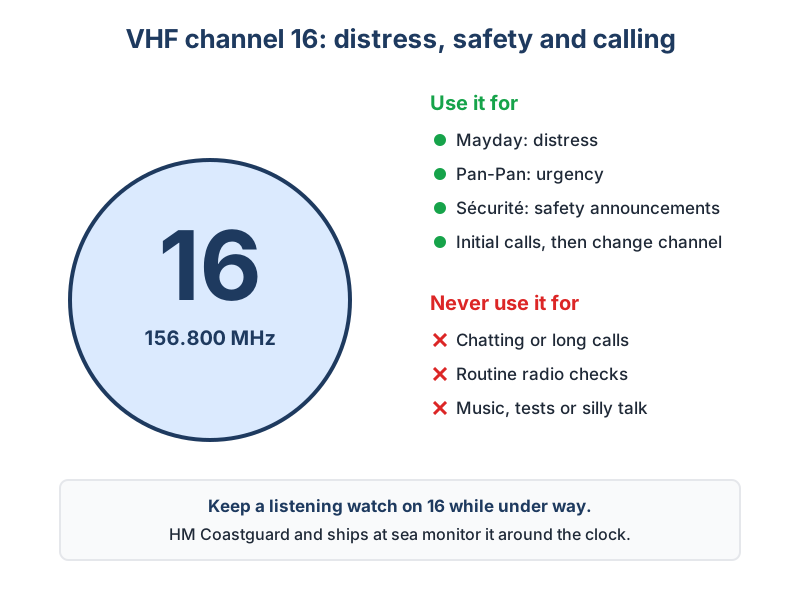
VHF Channel 16 Explained — Distress, Safety and Calling
What VHF channel 16 is for, who monitors it, the rules for using it, why you should keep calls short and move to a working channel, and when you must listen.
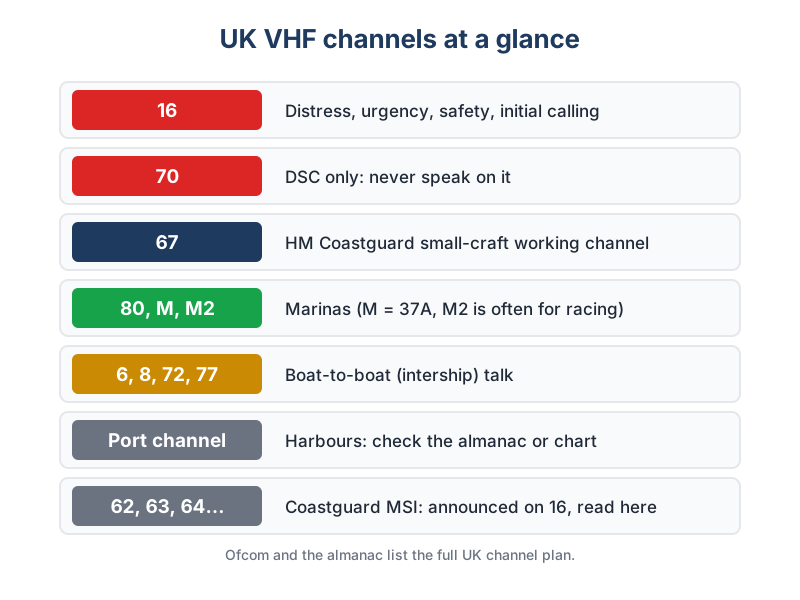
What VHF Channels to Use in the UK — A Sailor's Guide
Which marine VHF channels to use in UK waters: 16 for distress, 70 for DSC, 67 for coastguard, 80 and M for marinas, 6, 8, 72 and 77 for boat-to-boat chat.
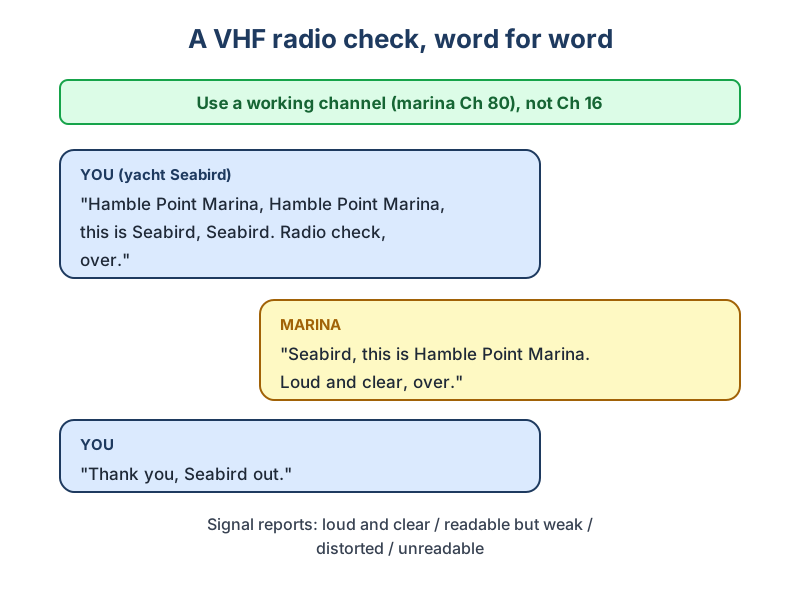
How to Make a Radio Check on VHF — Wording and Channels
How to do a VHF radio check properly: which channels to use in the UK, why not to use channel 16 or the coastguard, the correct wording and what the replies mean.
Cruising & chartering
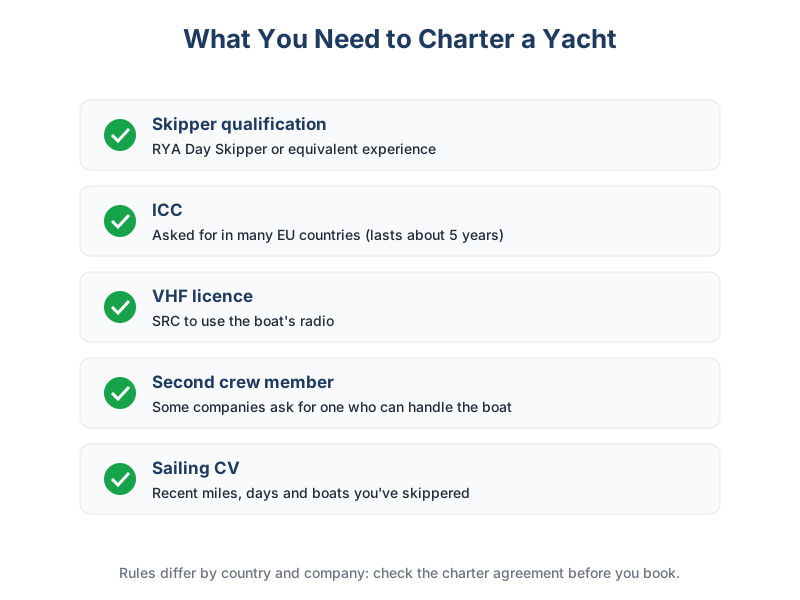
How to Charter a Yacht: Bareboat Guide for Beginners
How bareboat yacht charter works: the qualifications and experience you need, charter types, the handover check and the security deposit.
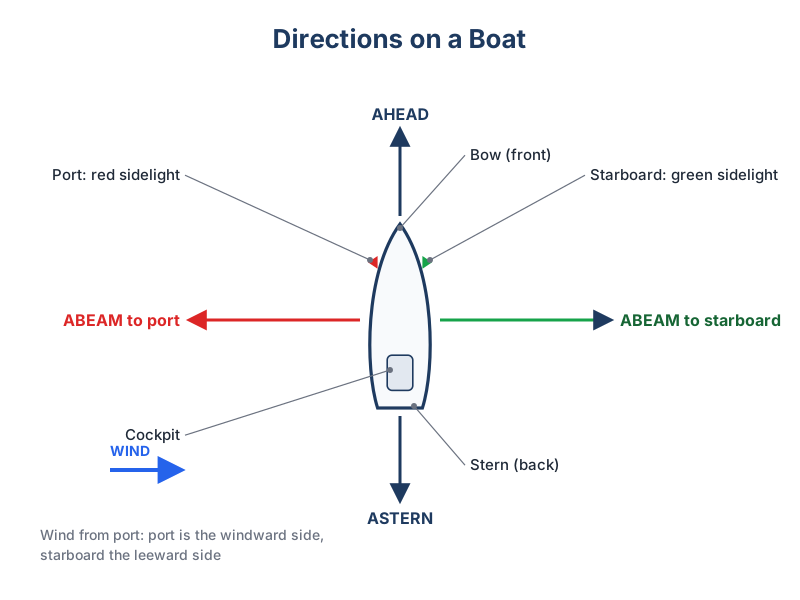
Sailing Terms for Beginners: 40 Words for Day One
Essential sailing terms explained simply: port and starboard, bow and stern, windward and leeward, tacking and gybing, sheets and halyards, and more.
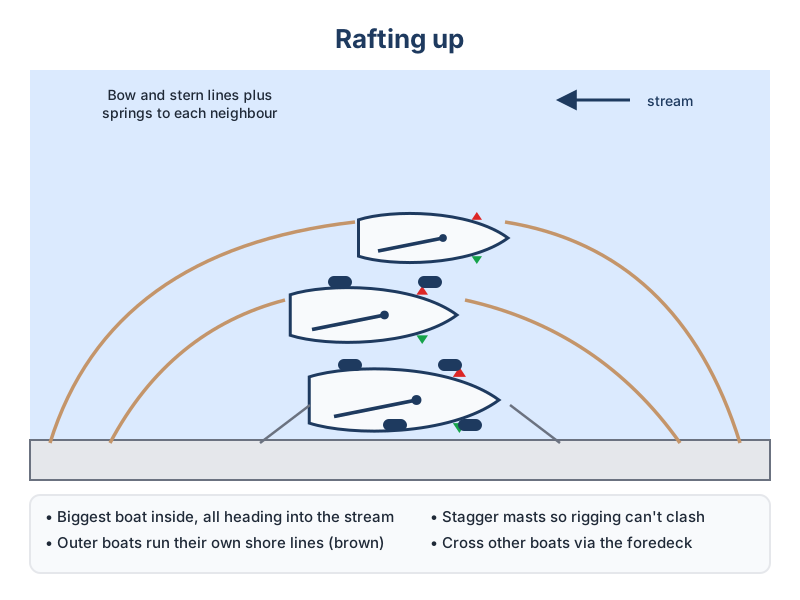
How to Raft Up Boats: Rafting Etiquette and Technique
How to raft up alongside other boats in a harbour or on a pontoon: fenders, lines and shore lines, matching masts, crossing etiquette and leaving early from inside.
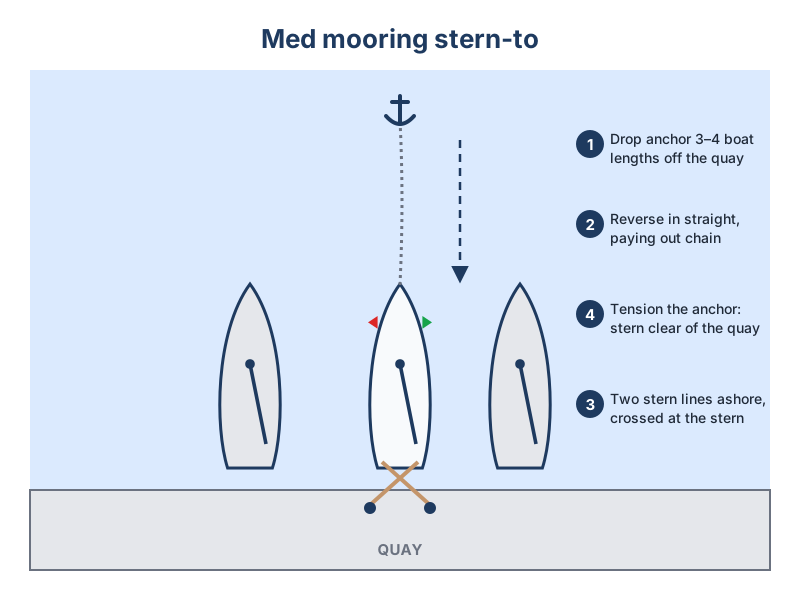
What Is Med Mooring? Stern-To Berthing Explained
Med mooring means berthing stern- or bow-to a quay, held off by an anchor or lazy line. Learn how it works, step by step, and the mistakes charterers often make.
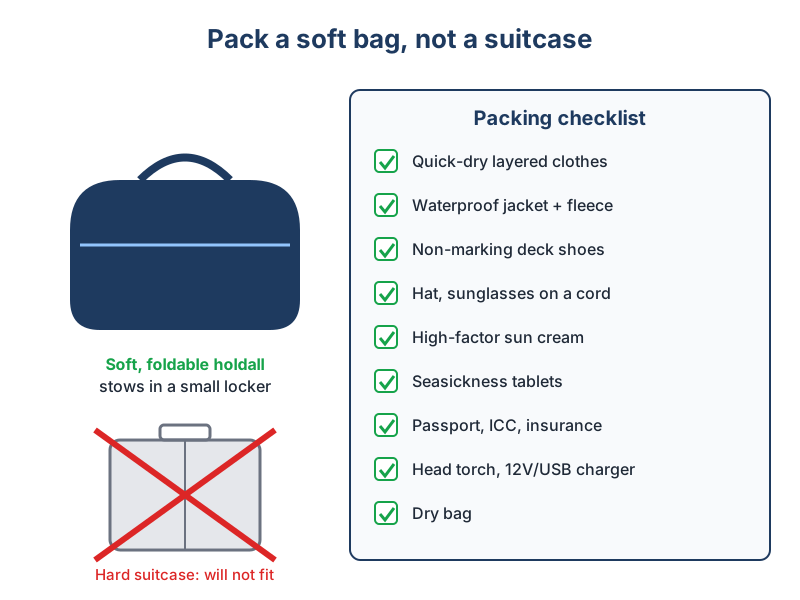
What to Take on a Sailing Holiday — A Practical Packing List
What to take on a sailing holiday: a soft bag, layered clothing, waterproofs, deck shoes, sun protection, seasickness tablets, documents and a few small comforts.
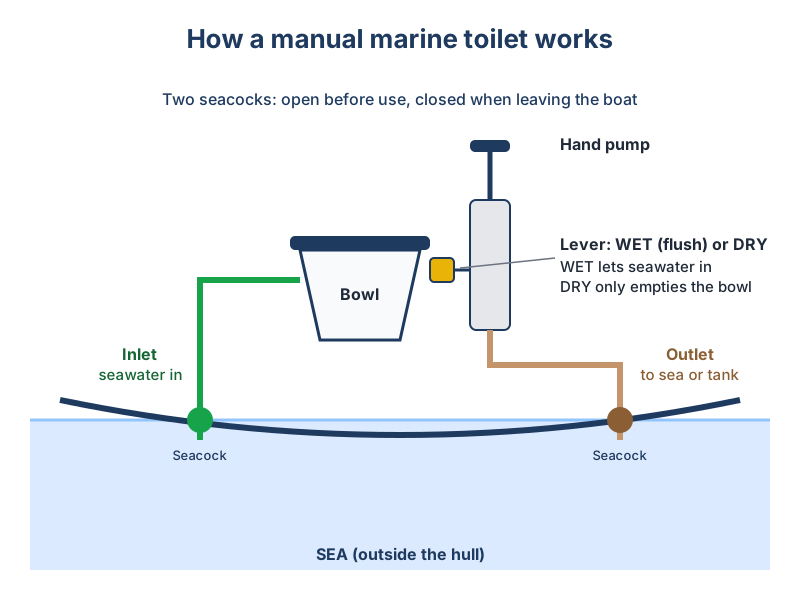
How to Use a Marine Toilet on a Boat — The Heads Explained
How to use a marine toilet (the heads) on a yacht: open the seacocks, pump in, pump out, put nothing but waste in, and close the valves.